



Ferries from the UK to France
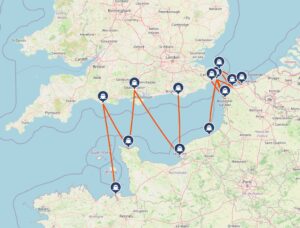
There are 11 ferry routes from the UK to France, but the right crossing depends on more than the shortest sailing. The route map gives you a quick overview of the main corridors from Dover, Portsmouth, Newhaven, Poole and Plymouth to Hauts-de-France, Normandy and Brittany.
For many travellers the choice is simple: Dover-Calais is the fastest classic ferry and usually the easiest option from London, Kent and the South East. But if you live further west, or your destination is Normandy, Brittany or the Atlantic side of France, a longer crossing from Portsmouth, Poole or Plymouth can make the whole travel day easier.
All main vehicle routes let you bring the car, caravan or campervan. That is why the ferry works so well for road trips, family holidays and longer stays in France: you travel with your own luggage, avoid airport limits and can choose a route that reduces the drive after arrival.
Route update for late 2026: Brittany Ferries is restructuring its western Channel network. Poole-Cherbourg is due to close from November 2026, while Portsmouth-Le Havre is expected to end from October 2026. Portsmouth-Cherbourg will continue and is set to become a more important route, with a daily service planned. If you are travelling later in 2026 or in 2027, check the current timetable rather than relying on previous sailing patterns. Read our full guide to the Brittany Ferries route changes and alternatives.
Heads-up on price: the cheapest ferry ticket is not always the cheapest travel day. A low fare can disappear once you add fuel, tolls, extra driving or a hotel stop. If price is your main consideration, see our comparison of the cheapest ways to cross the Channel.
Our quick route verdicts
- Shortest classic ferry: start with Dover-Calais. It is normally the most practical ferry from London, Kent and much of South East England.
- Best Dover alternative: compare Dover-Dunkirk. It takes longer at sea, but Dunkirk can provide a better onward route towards Belgium, the Netherlands or Germany.
- Fastest vehicle crossing: compare the ferry with Eurotunnel and LeShuttle. The train is faster, although check-in, border controls, waiting and price still matter.
- Best all-rounder for Normandy: start with Portsmouth-Caen. Day and overnight options make it useful for several types of Normandy trip.
- Best arrival experience: Portsmouth-Saint-Malo brings you close to the walled town, Brittany beaches, Cancale, Dinard and Mont-Saint-Michel.
- Best from South West England: compare the ferries from Plymouth, particularly Plymouth-Roscoff for Brittany and the Atlantic side of France.
- Best without a car: start by checking Newhaven-Dieppe and the foot-passenger options on the western Channel routes. Do not assume every Dover service accepts foot passengers.
Route map: ferries from the UK to France
The map shows how different the UK-France corridors are in practice. Use it first to compare the short Dover Strait routes with the longer western crossings, then choose based on your full journey rather than sailing time alone.
Routes tested, not just listed. We tested the three main Dover-Calais ferry operators and LeShuttle back to back. We have also sailed key western Channel routes, including Saint-Malo-Portsmouth and Portsmouth-Cherbourg with Brittany Ferries.
One lesson from our own journey was the value of flexibility. We originally planned to sail Portsmouth-Caen, but car trouble forced us to change plans and use Portsmouth-Cherbourg instead. Our flexible ticket made that switch much easier.
Ferry to France - find your best route
From quick crossings to calmer night sailings. We have prefilled Portsmouth-Caen because it is such a strong all-round UK to France route.
Why this route often works well
Which ferry to France suits your trip?
Answer four short questions and we will point you to the route that feels most sensible, not just the shortest on paper.
1. Day route or proper overnight?
2. Where are you starting from?
3. Where are you roughly heading?
4. What matters most?
Ferry crossings to France, grouped by arrival region
Use these regional groups after the route picker. They are useful because a crossing that looks slower on the water can still be better for the full journey once you include the drive in the UK and France.
Dover Strait ferries
Dover-Calais and Dover-Dunkirk are the main short-sea ferry routes. Choose this corridor when you are coming from London, Kent or the South East, need frequent departures or are comparing the ferry directly with LeShuttle.
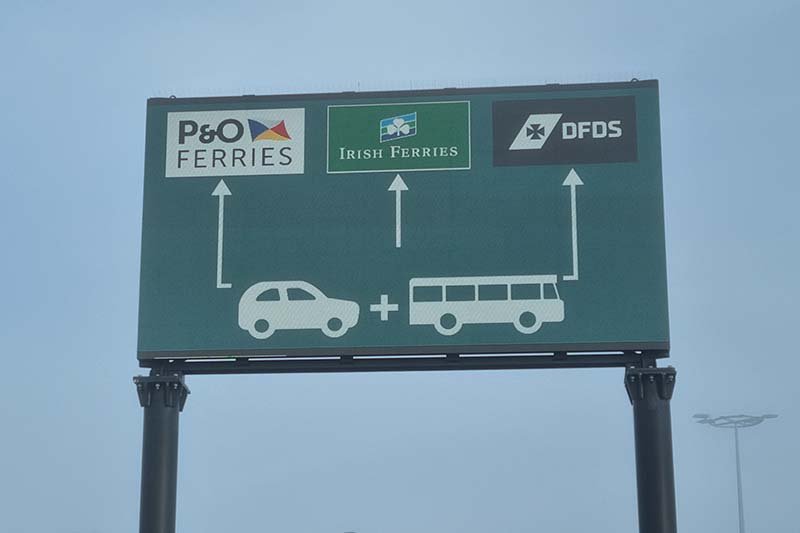
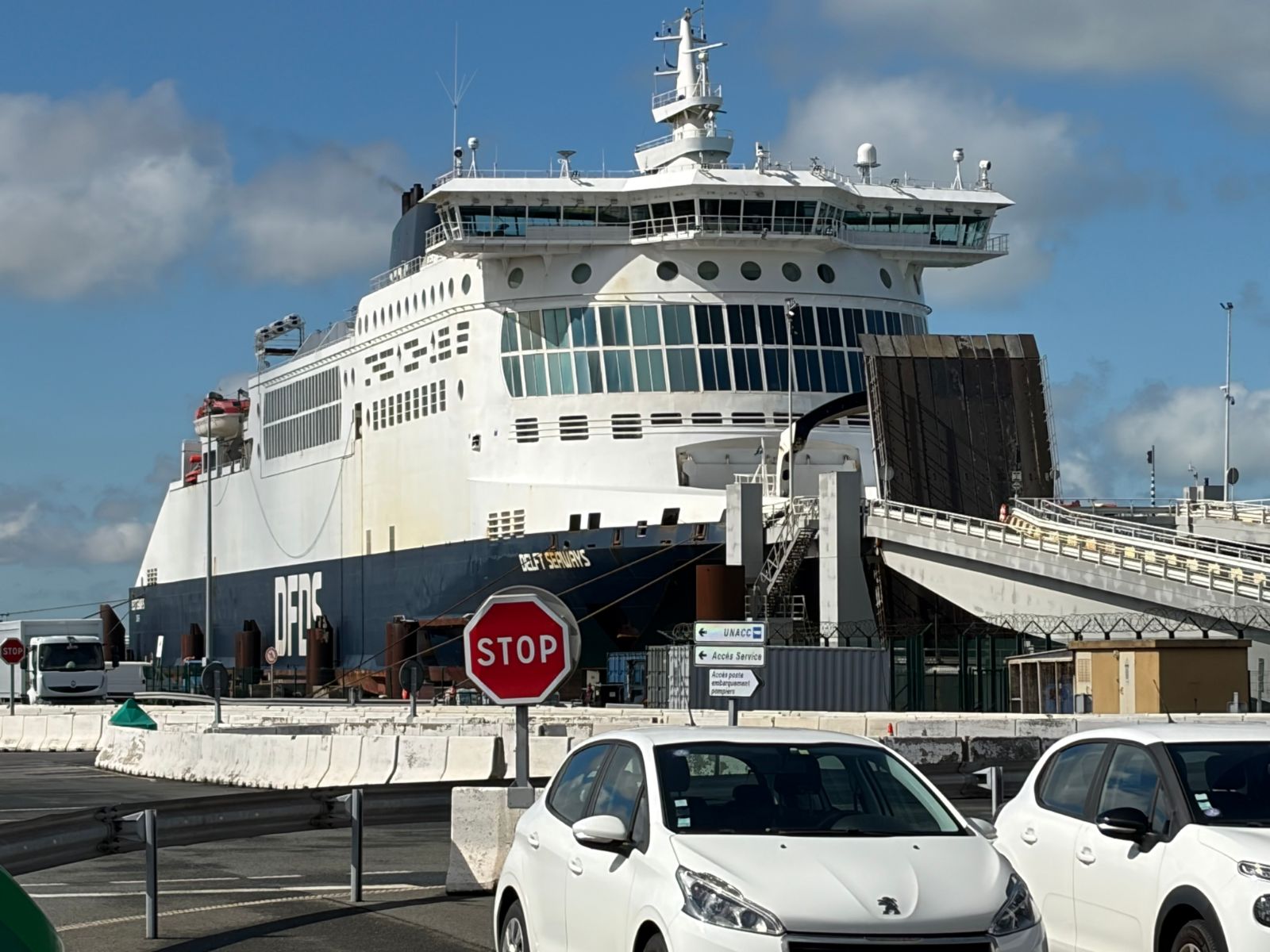
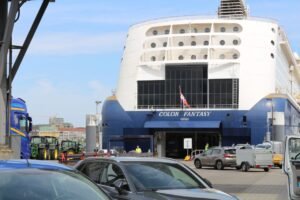
- Dover-Calais: the shortest classic ferry crossing, with P&O Ferries, DFDS and Irish Ferries competing on the route.
- Dover-Dunkirk: a two-hour DFDS crossing that can create a better onward route towards Belgium, the Netherlands and Germany. It is a vehicle-only service.
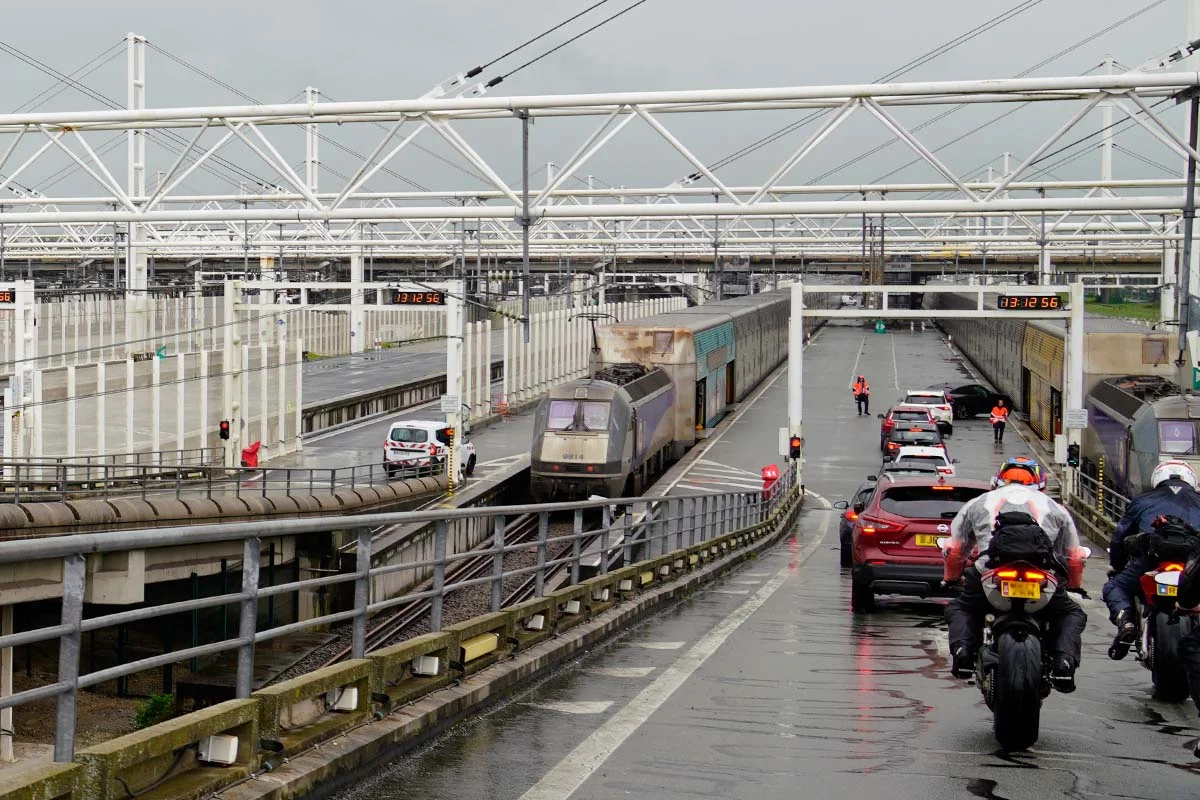
- LeShuttle: not a ferry, but the main vehicle alternative on the corridor. The train journey takes about 35 minutes between Folkestone and Calais.
We compared the short-Channel options
We tested P&O Ferries, DFDS, Irish Ferries and LeShuttle back to back. The train was fastest, while the ferries offered more space and a proper break from the car.
See the complete four-way test Compare Channel crossing costsFerries to Normandy from England
Normandy ferries arrive at Dieppe, Le Havre, Caen and Cherbourg. They take longer than the Dover crossings, but can reduce driving if you live further west in Britain or are travelling towards Normandy, Brittany or France’s Atlantic side.
- Portsmouth-Caen: the strongest all-round choice for Normandy, with day and overnight options on many dates.
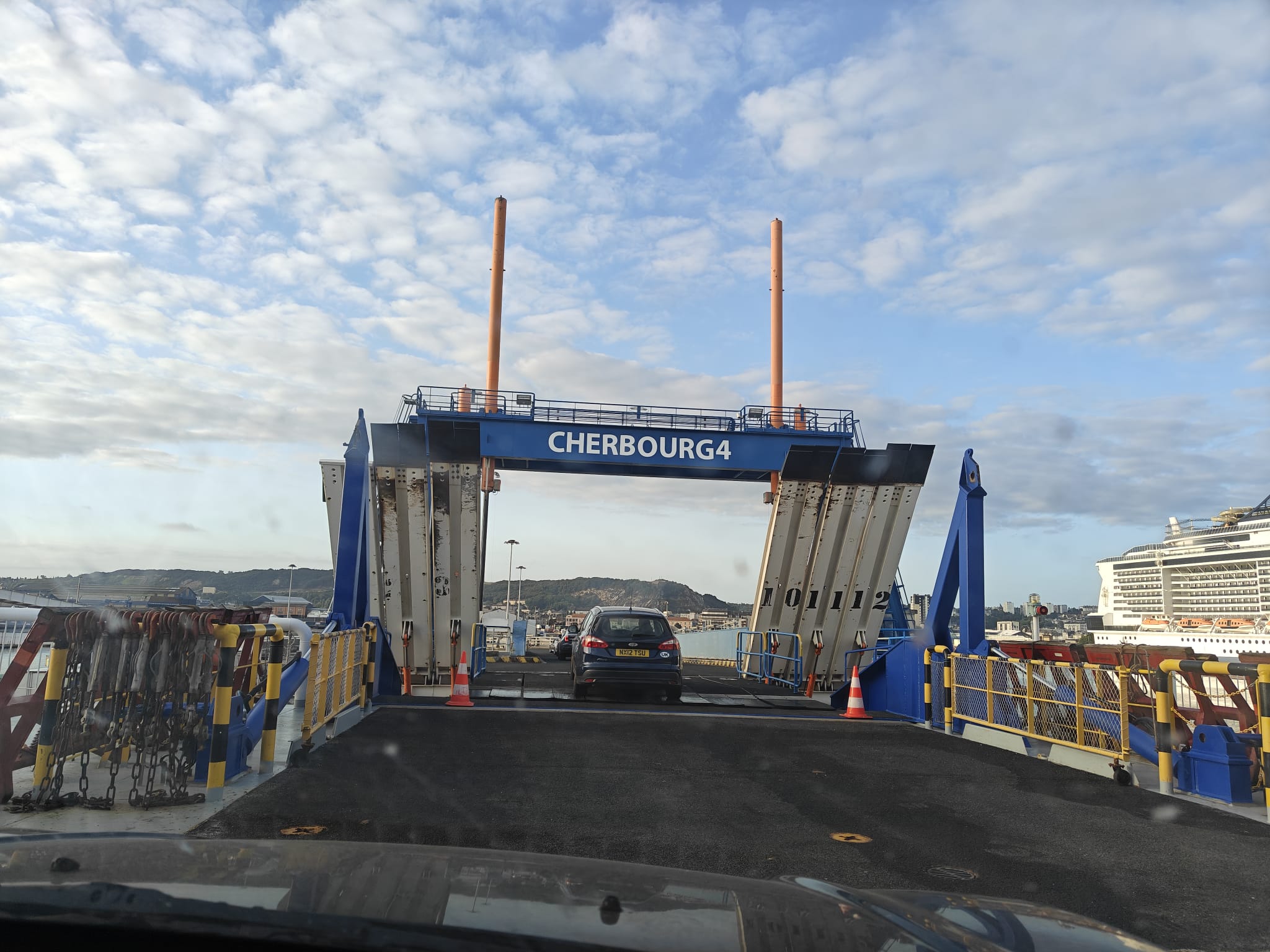
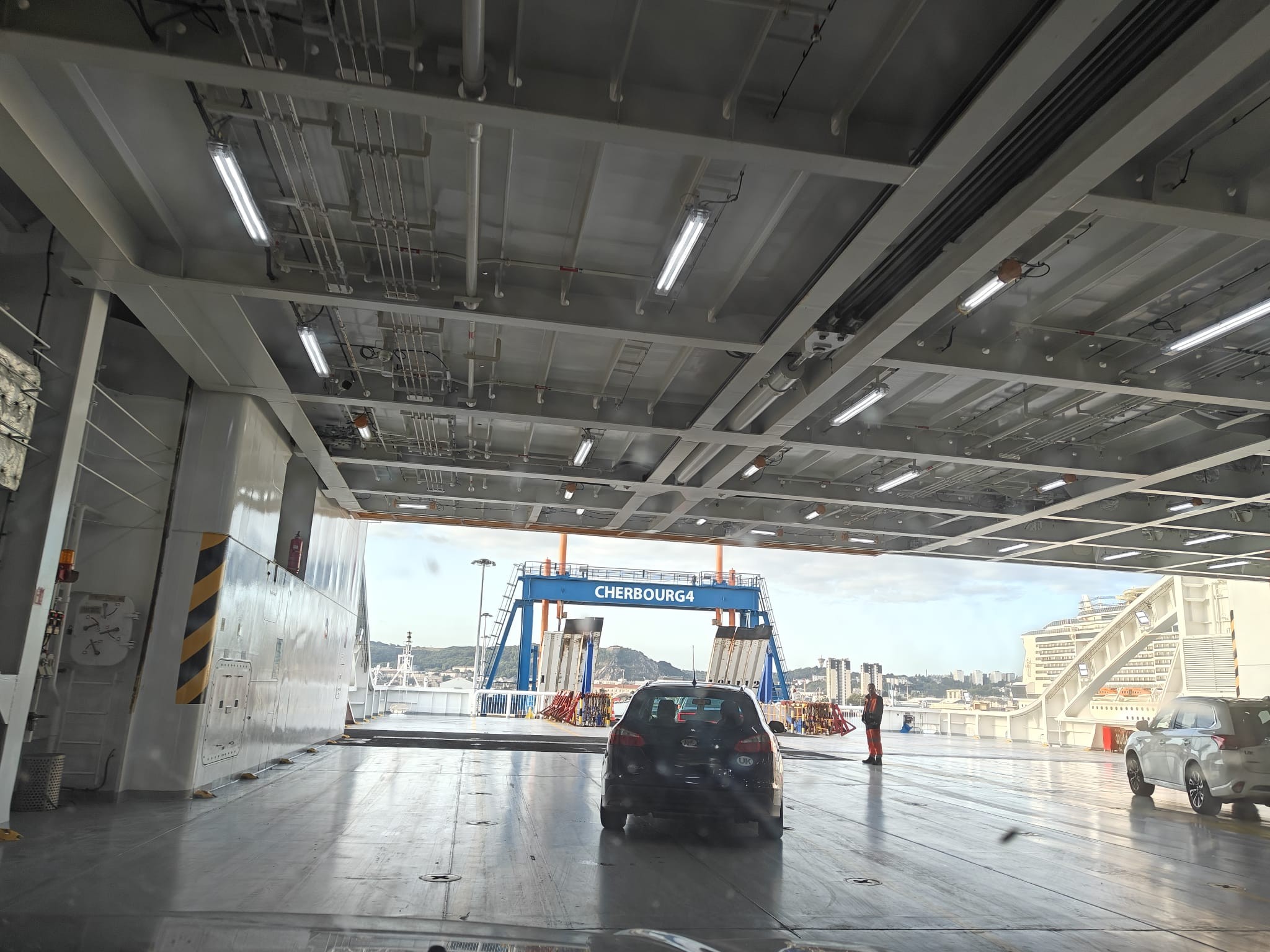
- Portsmouth-Cherbourg: practical for western Normandy, Brittany and longer road trips south. We used this route ourselves after car trouble forced us to change our original Portsmouth-Caen plan.
- Newhaven-Dieppe: particularly useful from East Sussex and for some journeys involving bicycles or travel without a car.
- Portsmouth-Le Havre: relevant for travel before its expected closure in October 2026. For later journeys, compare Portsmouth-Caen, Newhaven-Dieppe and Portsmouth-Cherbourg.
- Poole-Cherbourg: remains available until the announced closure at the end of October 2026. Portsmouth-Cherbourg becomes the main direct Cherbourg alternative afterwards.
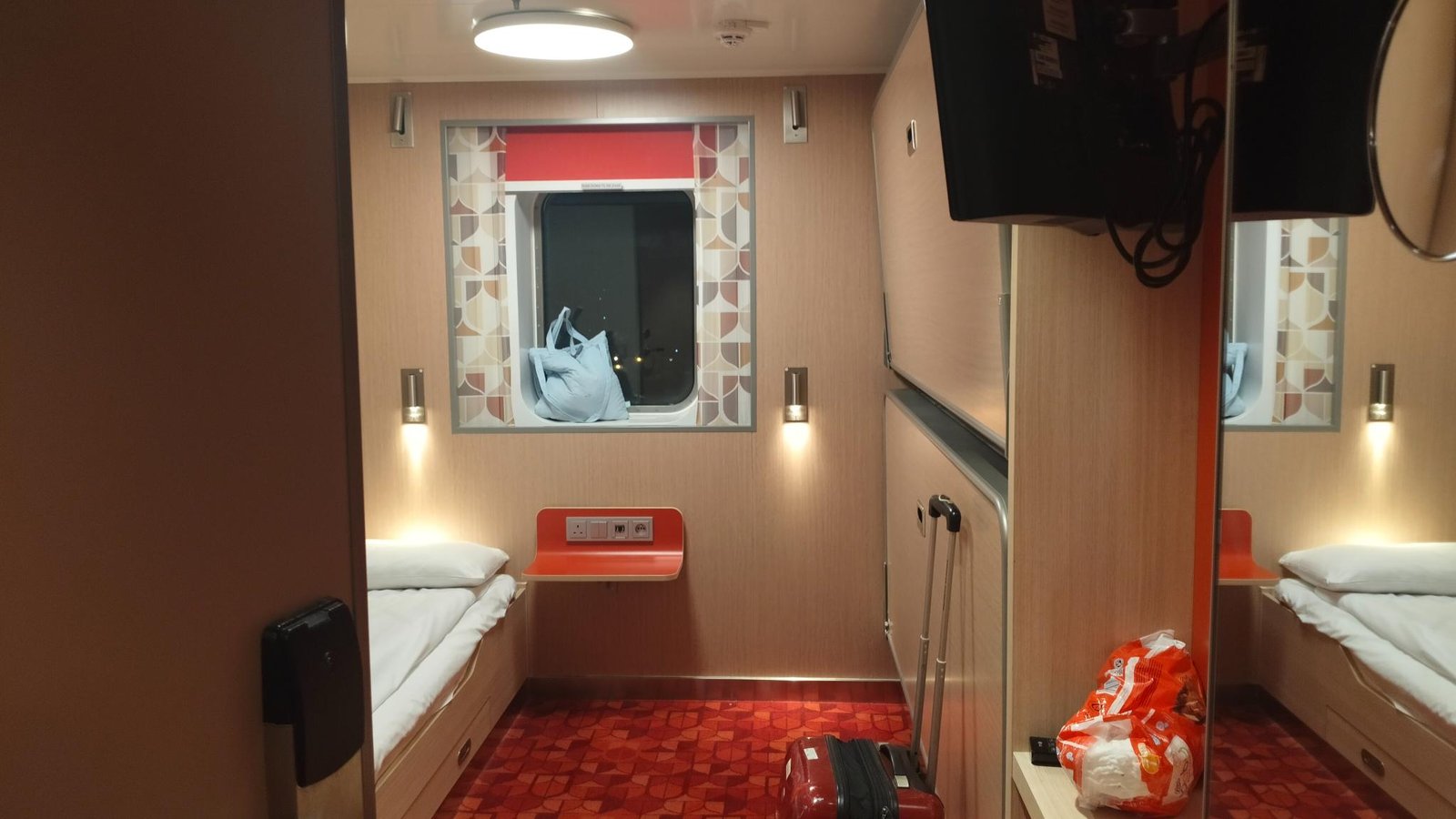
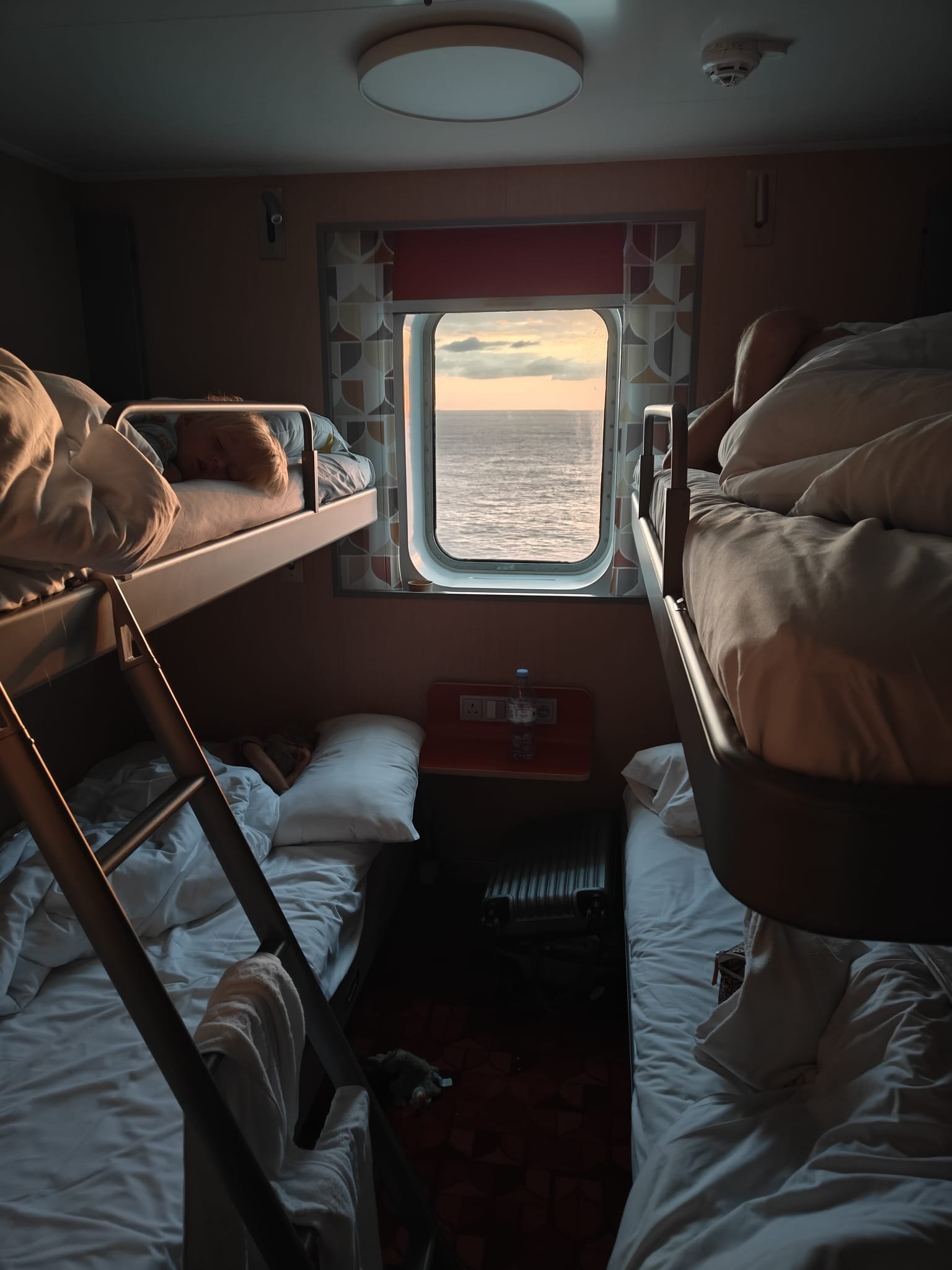
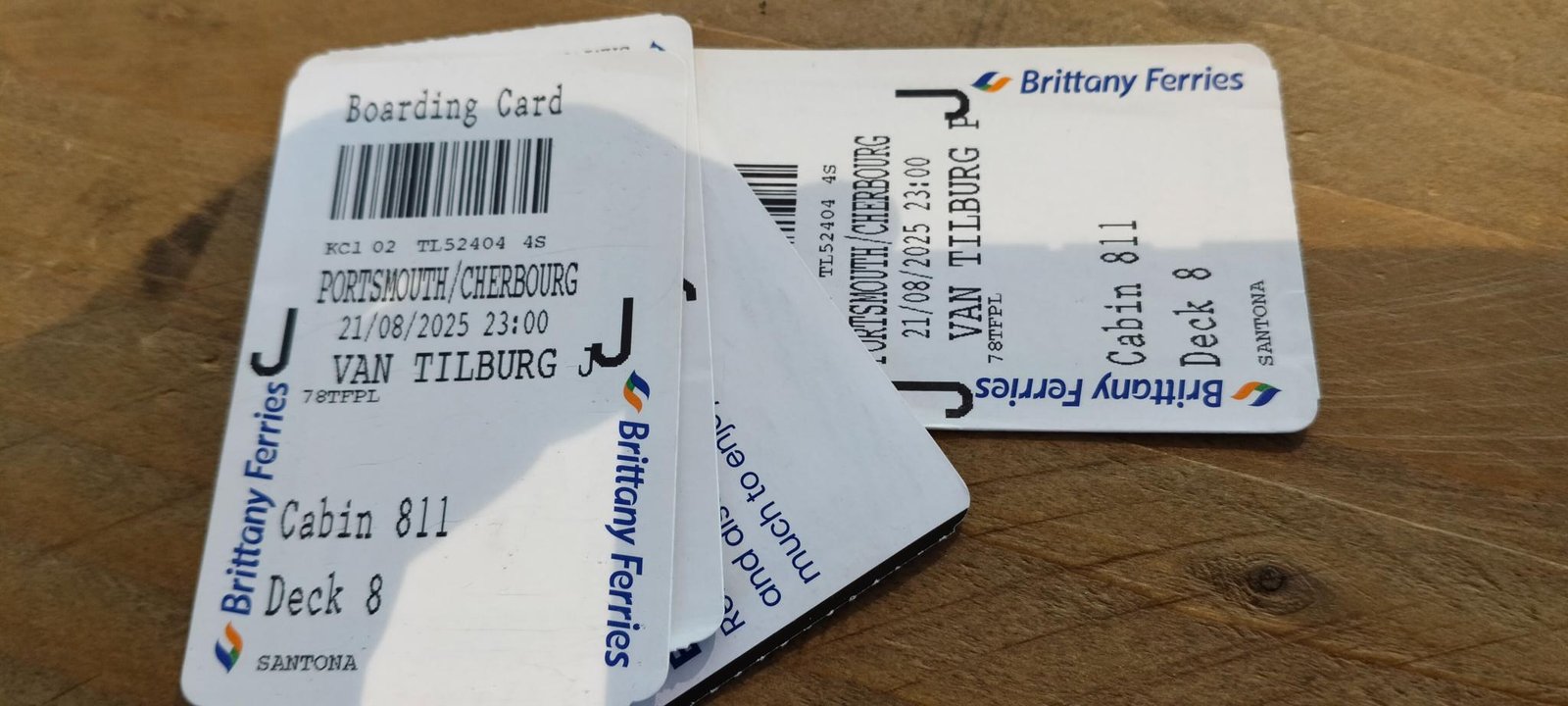
If Portsmouth is your most convenient departure port, compare all ferry routes from Portsmouth to France. For the onboard experience, read about our Portsmouth-Cherbourg crossing on Santoña.
Ferries to Brittany from England
Brittany routes are longer and more dependent on your itinerary. They work best when Brittany, the Atlantic coast or western France is part of the trip, particularly if an overnight sailing replaces a hotel stay and several hours of driving.
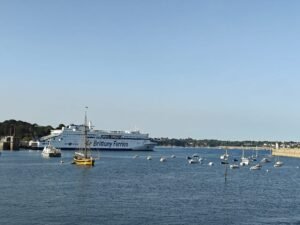
- Portsmouth-Saint-Malo: our favourite arrival experience in this group. You reach France close to Saint-Malo, Cancale, Dinard, Mont-Saint-Michel and the northern Brittany coast.
- Plymouth-Roscoff: a logical route from Devon, Cornwall, South West England and parts of Wales, especially for western Brittany and the Atlantic coast.
- Plymouth-Saint-Malo: a selected or seasonal sailing rather than an everyday core route. Confirm that it operates on your intended travel date.
- Overnight crossings: a cabin can turn the journey into useful sleep time and reduce the amount of driving required on the same day.
Our Saint-Malo experience
We travelled from Saint-Malo to Portsmouth ourselves. The port and walled city made this feel like part of the journey rather than simply a transport connection.
See our Saint-Malo-Portsmouth experienceBrittany Ferries cabins, tickets and upgrades
Not sure what to book on a longer crossing? Our practical guide explains which cabin, seat or lounger fits different journeys, how Economy, Standard and Flexi tickets differ, and when an upgrade may be worthwhile. See our Brittany Ferries cabins, tickets and upgrades guide.
Our take: on a day sailing, upgrades are mainly about comfort. On an overnight crossing, the cabin can determine whether the journey feels like useful travel time or a poor night’s sleep. Ticket flexibility can also be valuable on a longer road trip.
Which ferry to France should you choose?
Use this table as a quick route choice tool. Crossing times, sailing frequency and lead-in fares change by season, so treat the figures as a guide rather than fixed timetable or booking data.
| Route | Typical crossing | Typical frequency | Fare guide | Operator | Best fit |
|---|---|---|---|---|---|
| Dover-Calais | About 1h 30m | Peak season: up to 35 per day | around £80+ | P&O Ferries, DFDS, Irish Ferries | Fastest classic ferry, London, Kent and the South East |
| Dover-Dunkirk | About 2 hours | Peak season: up to 8 per day | around £80+ | DFDS | Northern France, Belgium and onward routes towards the Netherlands or Germany |
| Newhaven-Dieppe | About 4 hours | Often up to 4 per day | around £75+ | DFDS | East Sussex, Normandy, cyclists and some foot-passenger trips |
| Portsmouth-Caen | About 5h 45m | Often up to 3 per day | around £125+ | Brittany Ferries | Normandy all-rounder, with day and overnight options on many sailings |
| Portsmouth-Le Havre | About 5h 30m to 6h 30m | Selected days, often up to 5 per week | around £75+ | Brittany Ferries | Normandy and trips towards Paris, but check sailing days carefully |
| Portsmouth-Cherbourg | About 5 to 8 hours | Selected days, often up to 3 per week | around £100+ | Brittany Ferries | Western Normandy, Brittany and flexible road trips into western France |
| Poole-Cherbourg | About 4h 30m | Usually up to 1 per day | around £120+ | Brittany Ferries | Dorset, South West England and western France without driving to Dover first |
| Plymouth-Roscoff | About 5h 30m by day, longer overnight | Seasonal, often up to 8 per week | around £145+ | Brittany Ferries | Devon, Cornwall, Wales, Brittany and the Atlantic side of France |
| Portsmouth-Saint-Malo | Usually overnight, longer crossing | Often around 1 per day in season | around £165+ | Brittany Ferries | Brittany, Saint-Malo, Cancale, Dinard and a stronger arrival experience |
| Poole-Saint-Malo | Day or overnight depending on sailing | Selected sailings, often up to 4 per week | around £185+ | Condor Ferries | Selected western-France trips where Poole is the more convenient UK port |
| Plymouth-Saint-Malo | Selected overnight sailings | Selected sailings only | around £165+ | Brittany Ferries | A seasonal or selected-service option, so check the live timetable first |
Fare guides are rough lead-in examples for a car plus passengers and can move a lot with date, season, vehicle type and demand. Frequency notes are broad seasonal indications, not fixed timetable promises. Always confirm live availability, sailing times and prices before booking.
Must-knows before booking a ferry to France
Before you pick a route, look beyond the sailing time alone. The best ferry to France is often the one that gives you the easiest full travel day, not just the shortest crossing.
- Do not choose Dover by habit: Dover-Calais and Dover-Dunkirk are excellent short-sea routes, but they are not automatically best if you live further west or are heading for Normandy, Brittany or the Atlantic coast.
- Western routes can replace road miles: crossings from Portsmouth, Poole or Plymouth take longer on the water, but can put you much closer to your final destination in France.
- A cabin changes the journey: on routes such as Portsmouth-Caen, Portsmouth-Saint-Malo or Plymouth-Roscoff, an overnight sailing can work like a moving hotel. With children, we would book cabins early rather than leaving it to the last minute.
- Flexibility can be worth paying for: on longer France routes, a flexible ticket can be worth the additional cost if plans change at short notice and you need to move sailing or port.
- Foot-passenger rules differ by route and operator: Newhaven-Dieppe is useful without a car, but some Dover routes are vehicle-only. Always check this before building a rail or coach itinerary around a ferry.
- Vehicle details matter: roof boxes, bike racks, trailers, caravans and campervans can affect the fare and the space needed on the car deck. It is better to enter the right dimensions when booking than to fix it at the port.
- Some services are seasonal or selected sailings only: this matters more on the western France routes than on the Dover corridor.
Before you board: our ferry travel experiences
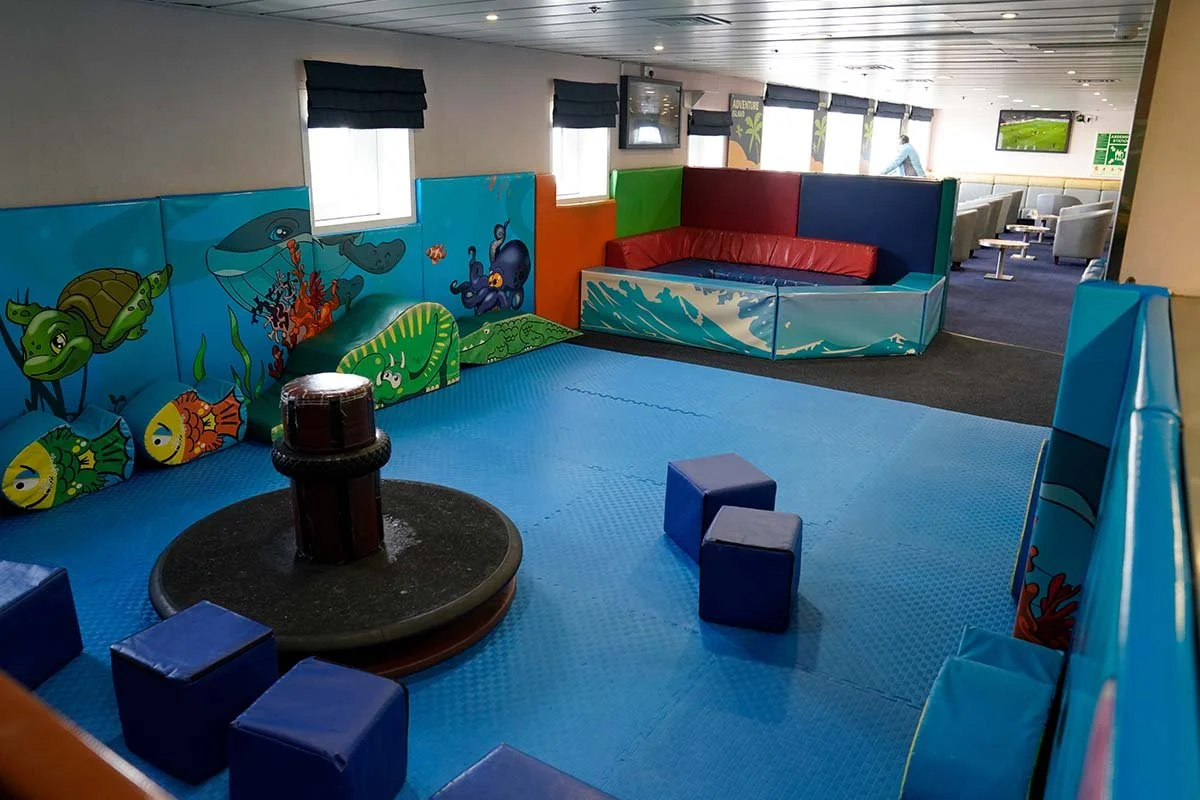
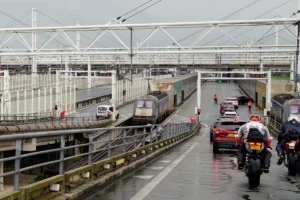
We have tested the main Dover-Calais options and several western France crossings ourselves. In the travel reports below, we focus on the details travellers actually worry about: check-in, boarding, cabins, food, children, car-deck flow, arrival and when a ferry is better than LeShuttle.
Portsmouth to Cherbourg by Ferry: Sailing on the Santona with Brittany Ferries
By ferry from Saint-Malo to Portsmouth: our experience and a visual impression
We tried every way to cross the Channel from Dover to Calais
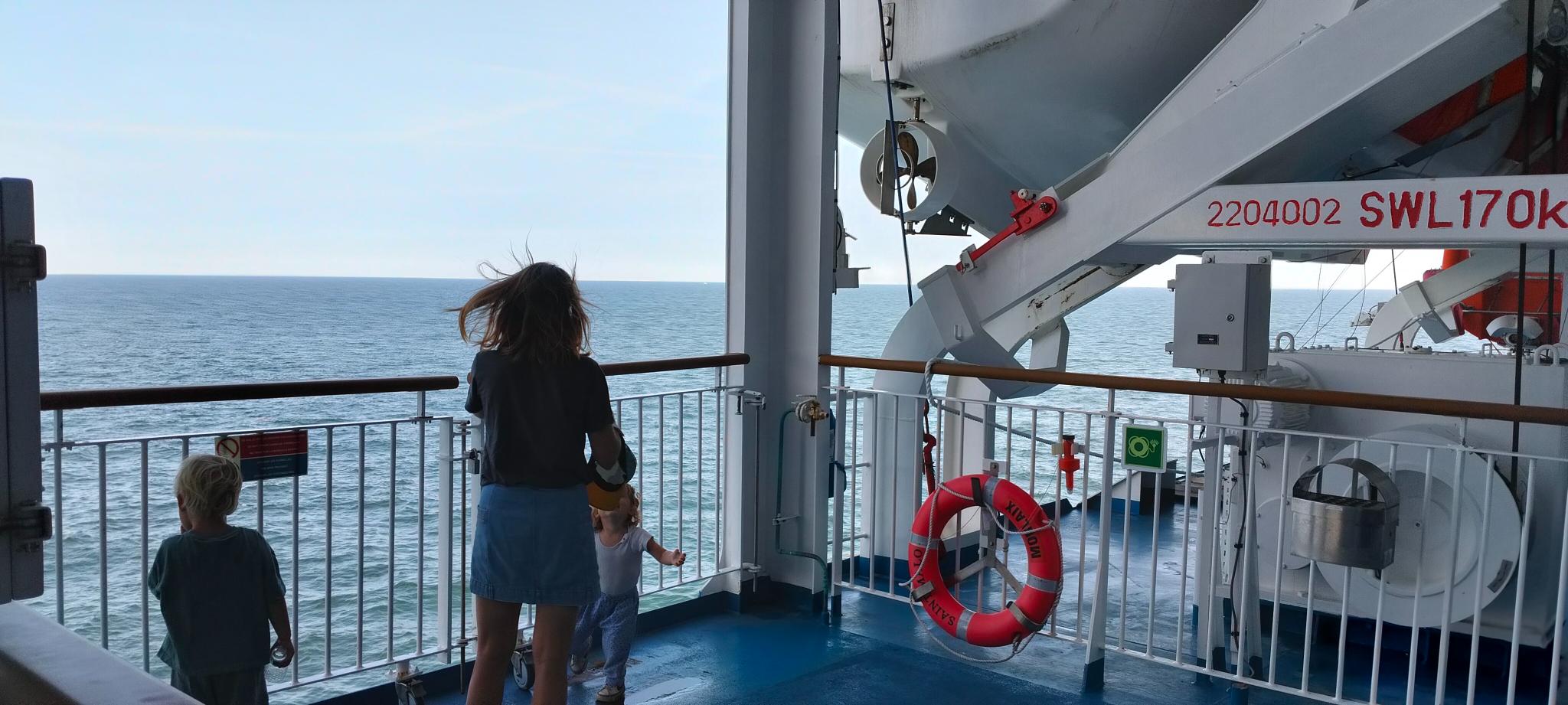
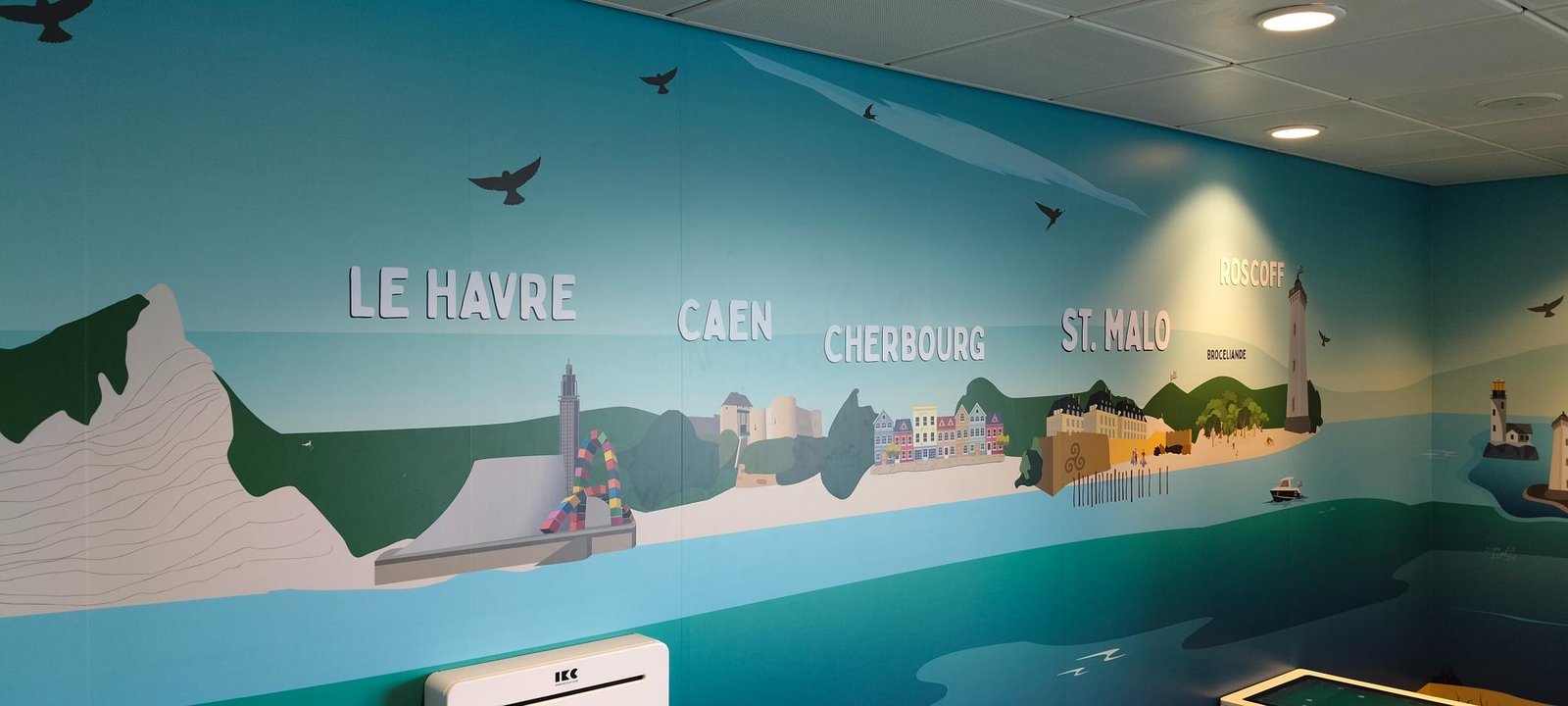
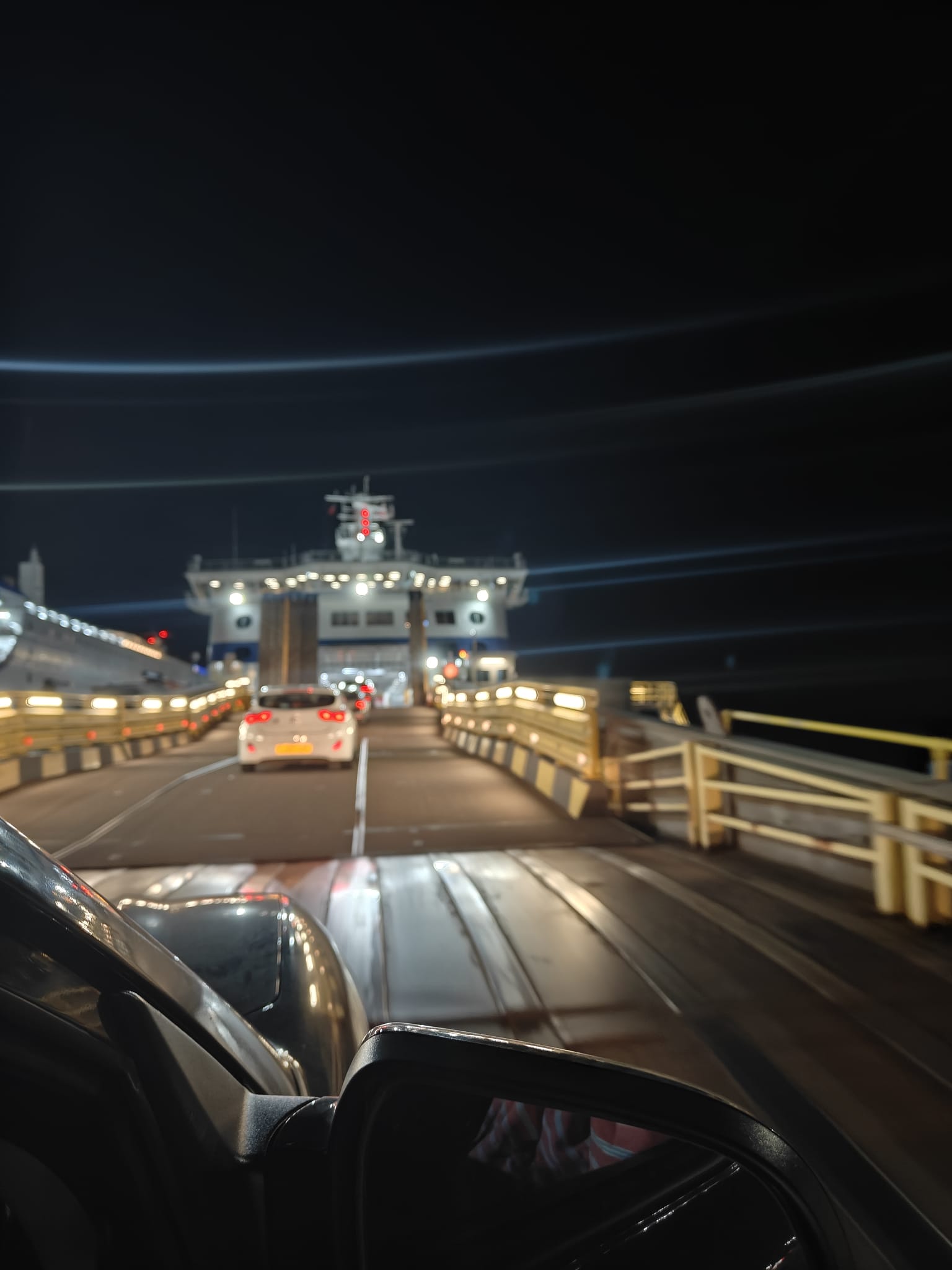
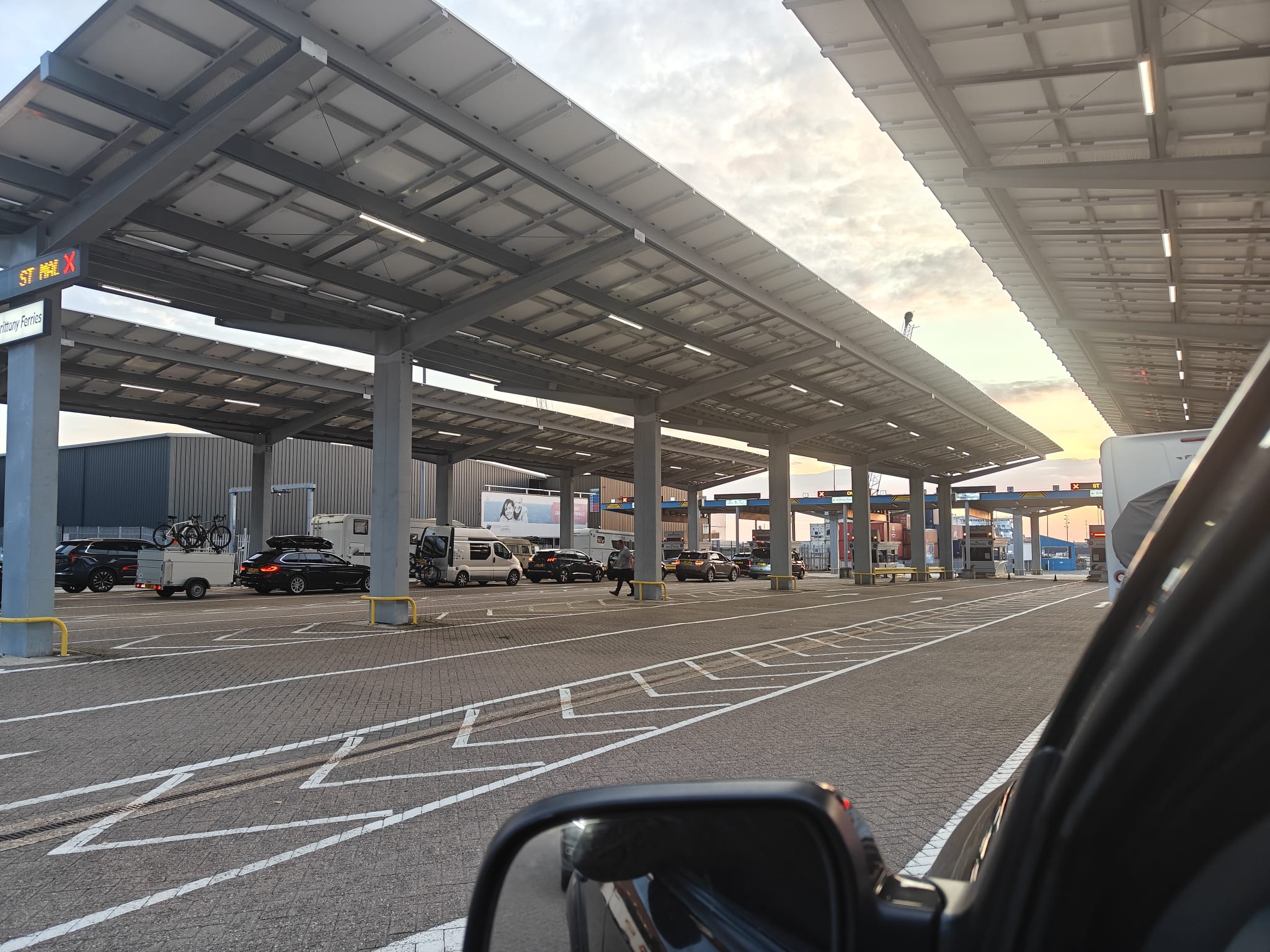
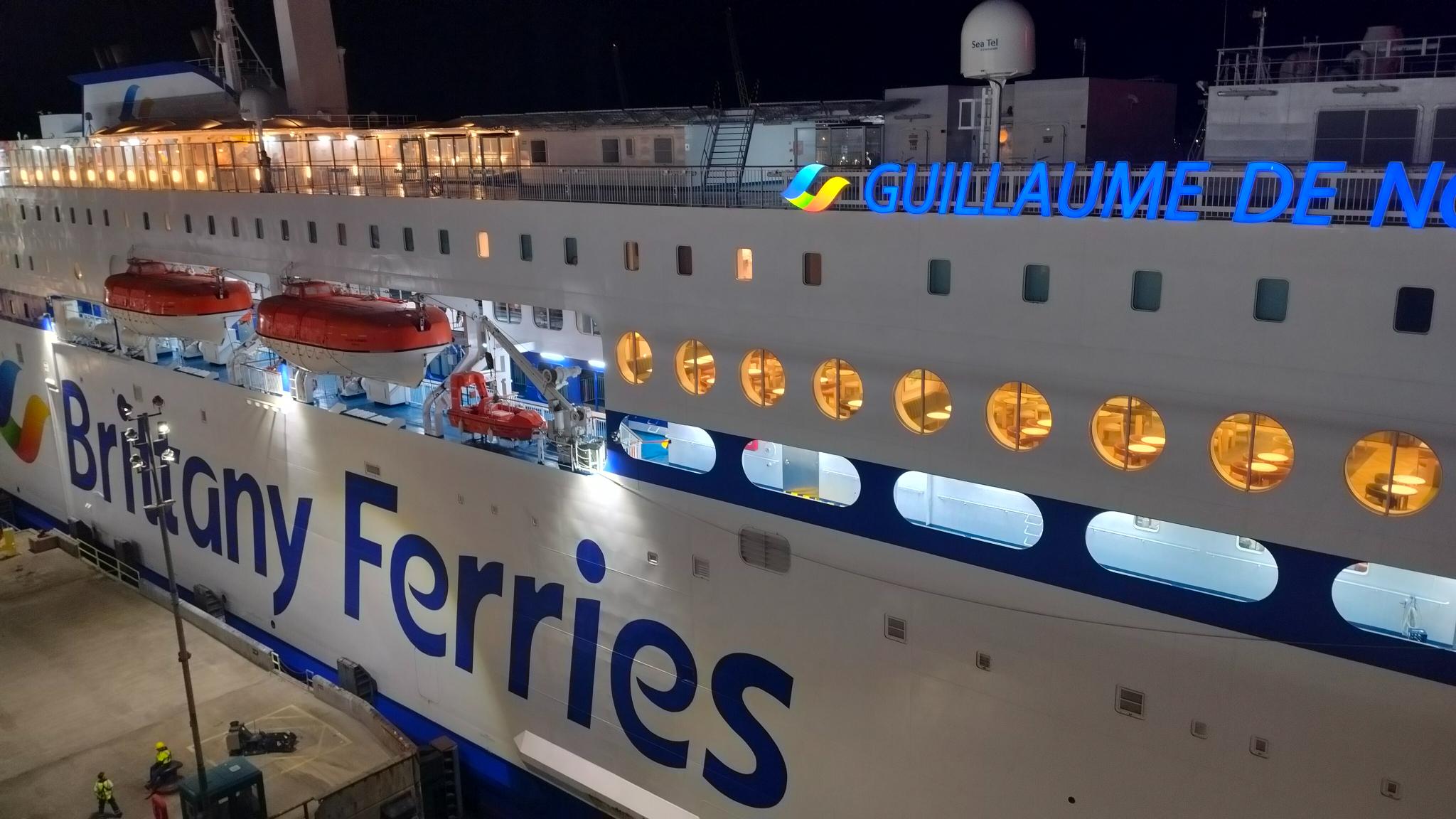
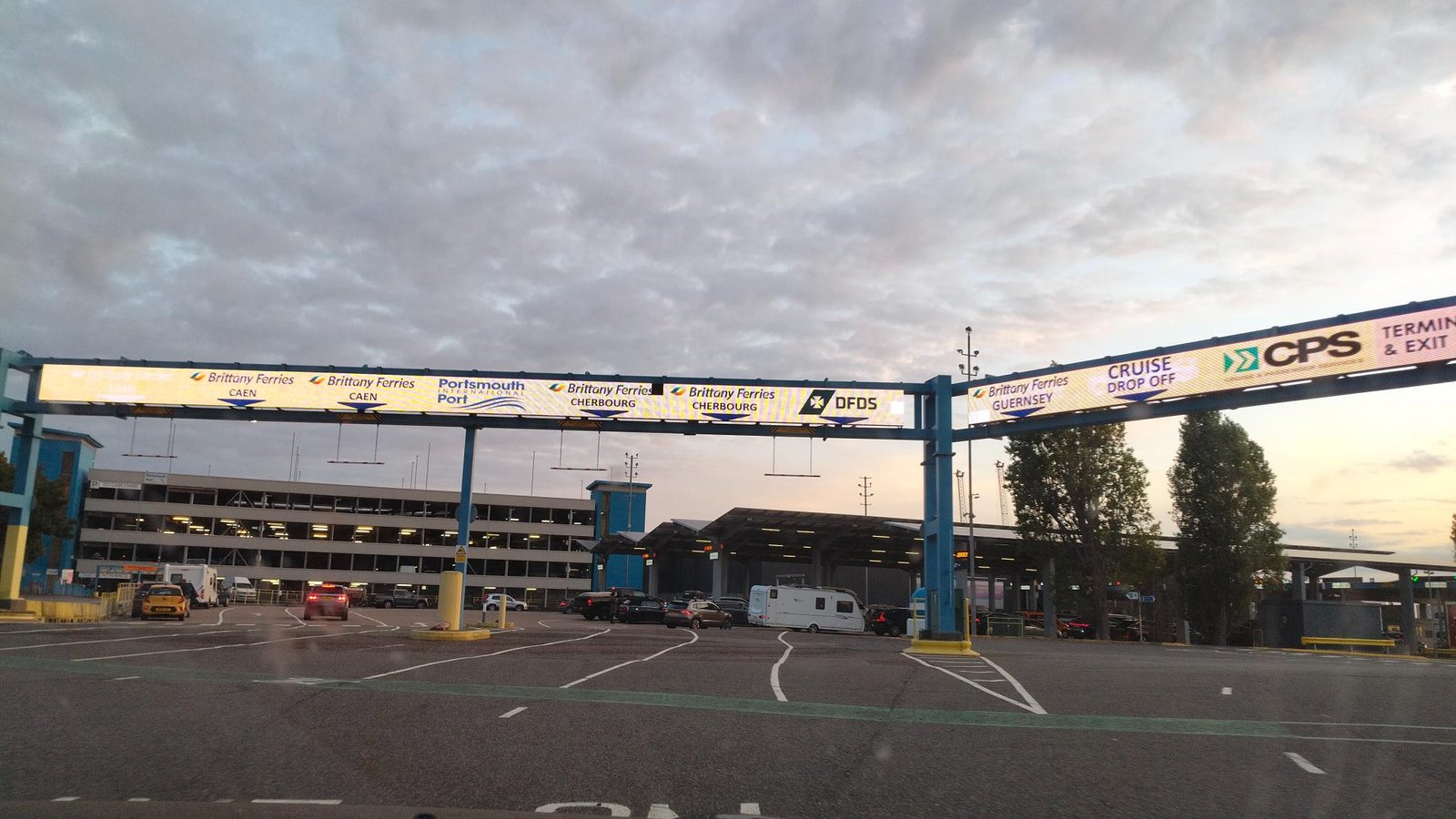
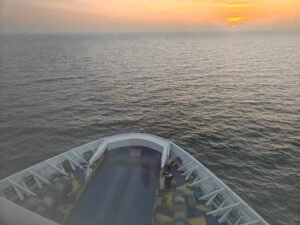
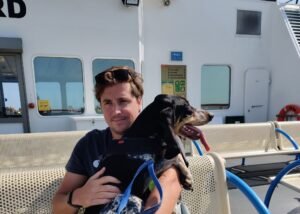
Photos from our Channel and Brittany Ferries crossings
Compare prices and availability for ferries to France
Ferry prices to France can change a lot by route, season, sailing time, vehicle type and how early you book. Use the comparison table and route advice above to narrow your options, then check live availability and operator rules before booking.
If your travel dates are flexible, compare a few nearby dates and ports before choosing. A slightly longer crossing can sometimes save driving time, fuel, tolls or even a hotel night.
Use the booking tool below to compare live sailings, operators and fares for your trip across the Channel.
Dover or a western Channel ferry?
The shortest crossing is not always the quickest overall journey. Compare the drive to the UK port, time at sea and distance from the French arrival port to your destination.
Choose a western crossing if…
- you live in South West England, Wales or the western Midlands;
- you are heading to Normandy, Brittany or the Atlantic coast;
- an overnight sailing and cabin could replace driving or a hotel stay.
Compare the ferries from Portsmouth and routes from Plymouth.
Choose Dover if…
- you start in London, Kent or South East England;
- you want frequent departures and a short ferry crossing;
- you are driving towards northern France, Belgium, the Netherlands or Germany.
Compare Dover-Calais, Dover-Dunkirk and LeShuttle before booking.
FerryGoGo tip: compare the journey from home to your first destination in France, not only the port-to-port crossing time.
Good to know before taking the ferry to France
Once you have chosen your route, a few practical checks can make the crossing and onward drive much smoother.
- Check your travel documents: UK travellers normally need a valid passport to enter France. Check the current validity and entry requirements for every passenger before departure.
- Travelling overnight with children? A cabin can make a big difference on a longer crossing. See our tips for travelling with children by ferry.
- Download entertainment before sailing: ferry Wi-Fi can be limited or paid, while connecting to a maritime mobile network can be expensive. Download films, music, audiobooks and offline maps in advance, and consider switching off data roaming at sea.
- Worried about seasickness? Longer western Channel crossings can be more exposed than the short Dover routes. Read our tips for avoiding seasickness on ferries.
- Travelling with a pet? Rules, charges and onboard arrangements vary by route and operator. Check our guide to travelling with pets on ferries.
Driving after arrival in France
Remember that traffic drives on the right in France. Take extra care during the first few minutes, particularly at roundabouts, petrol stations and motorway slip roads.
Many French motorways also charge tolls. On a longer journey towards the Dordogne, the Alps or southern France, these costs can add up. Include fuel, tolls and driving time when comparing ferry routes.


Fastest ferry route uk to france
Hi Kenneth,
That would be the Dover to Calais crossing – approx 90 mins.