Three direct routes – and we have travelled all three.
Compare Harwich-Hook of Holland, Hull-Rotterdam and Newcastle-IJmuiden by UK starting point, travel style and onward journey.
There are three direct ferry routes between the UK and the Netherlands, or Holland as many travellers still search for it: Harwich-Hook of Holland, Hull-Rotterdam and Newcastle-IJmuiden, usually marketed as Newcastle-Amsterdam.
The best route usually depends more on where you start in Britain than on which Dutch city you want to visit. Harwich is the natural option from London and East Anglia, Hull works particularly well from Yorkshire and the Midlands, while Newcastle makes much more sense from the North East and Scotland.
We have travelled all three crossings ourselves. This page therefore focuses on the choice between them as complete journeys. For sailing times, ports, cabins and booking details, use the individual route guides linked throughout the comparison.
All three direct UK-Netherlands routes, travelled by us.
Harwich-Hook of Holland, Hull-Rotterdam and Newcastle-IJmuiden are not just routes in our database. We have made all three crossings ourselves, including overnight trips with children, travelling with a car and Rail & Sail from London.
There is no single best ferry to the Netherlands. Geography does most of the work here: start with where you live in the UK, then look at whether you are travelling by car, train or as a foot passenger.
Amsterdam is part of the trip or you want the most northerly UK departure
Best northern gateway. It is a long overnight crossing, but that is often preferable to driving hundreds of miles south before boarding.
The short version: from London we would compare Harwich first; from Yorkshire and much of the Midlands, Hull; and from the North East or Scotland, Newcastle. Your final destination in the Netherlands can still change the answer, but normally less than your UK starting point does.
Amsterdam, Rotterdam or elsewhere in the Netherlands?
Do not choose purely on the city name in the route. Newcastle-Amsterdam actually arrives at IJmuiden, while Hull-Rotterdam arrives at Europoort outside central Rotterdam. Harwich arrives at Hook of Holland, which has a straightforward metro connection towards Rotterdam and the wider Randstad.
For Amsterdam from northern Britain, Newcastle-IJmuiden is often the obvious route. For Rotterdam from northern England, compare Hull-Rotterdam with Harwich-Hook of Holland. For somewhere else in the Netherlands, your UK departure point is often the better way to choose.
Choose by where you live in the UK
If two routes look roughly equal on paper, the drive to the UK ferry port is usually the best tiebreaker.
London and East Anglia: start with Harwich-Hook of Holland. It is especially strong if you are travelling by train rather than car.
Yorkshire and much of the Midlands: compare Hull-Rotterdam first. Driving several hours south simply to take a different ferry rarely improves the complete journey.
North East England and Scotland:Newcastle-IJmuiden is normally the logical starting point.
Kent and the far South East: also compare a short Channel crossing via France. Dover can make more sense than driving north to Harwich if you are happy to do more driving on the continent.
What we noticed after travelling all three routes
Having used all three direct crossings, the biggest difference is not really the ship or even the advertised crossing time. It is how the ferry fits into the rest of the journey.
Harwich-Hook of Holland feels the most like a transport corridor. On our overnight Rail & Sail journey from London, the train, ferry and Dutch public transport fitted together well enough that travelling without a car felt completely natural. An overnight cabin also turns the North Sea part into useful sleeping time rather than another travel day.
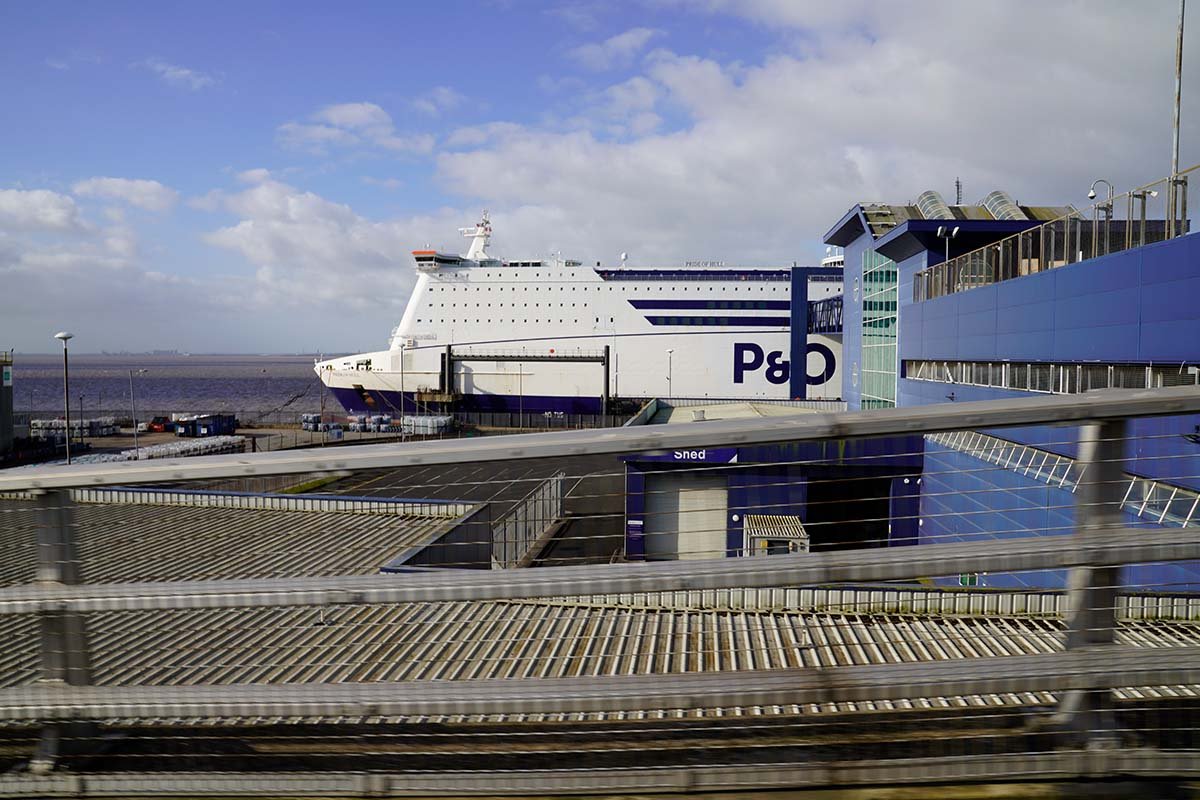
Hull-Rotterdam feels much more like the classic overnight car ferry. We boarded with our own vehicle, settled into the cabin and used the ship as the overnight break in a longer road trip. For travellers from Yorkshire or the Midlands, not having to drive south before boarding is a big part of the appeal.
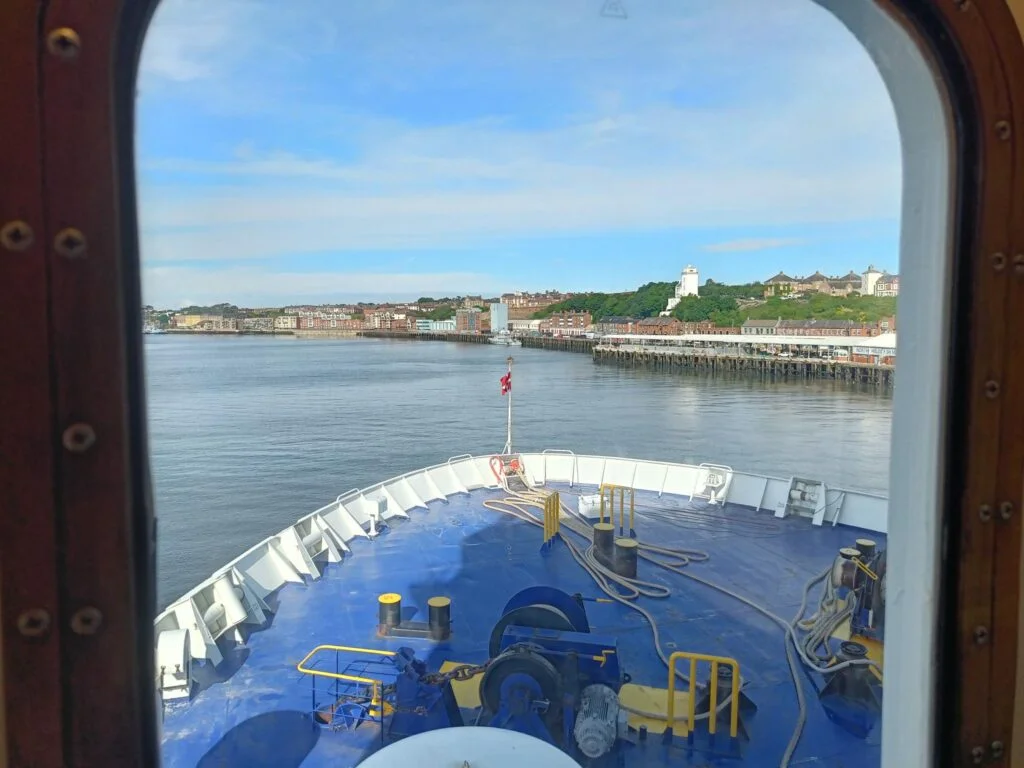
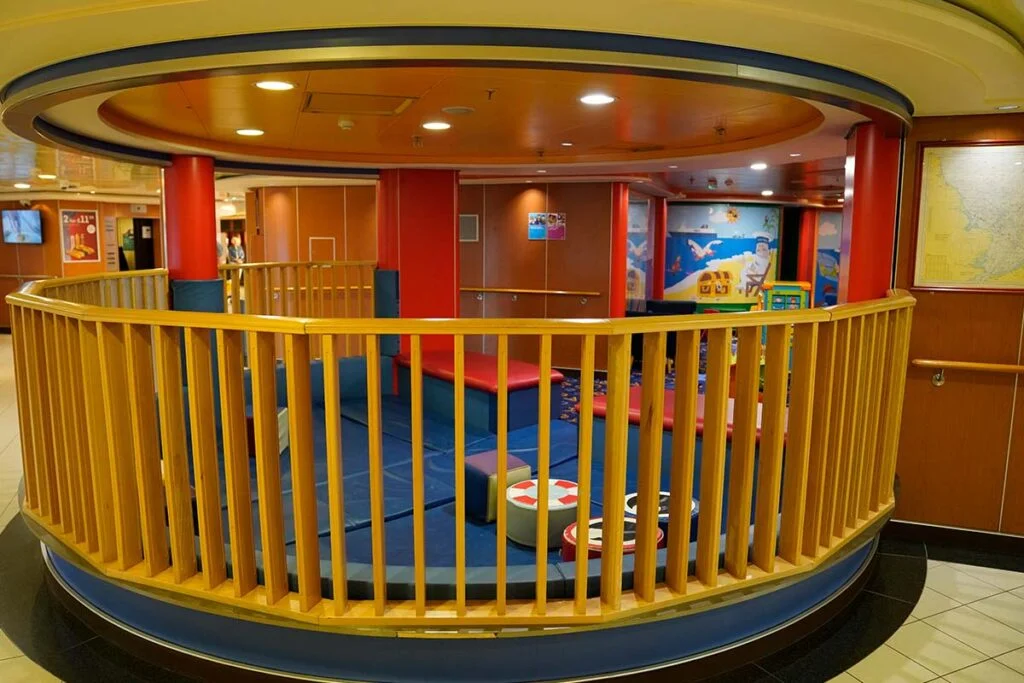
Newcastle-IJmuiden is the longest of the three and has more of a mini-cruise feel. We travelled the route as a family, and on a crossing of this length the cabin, restaurants and space for children matter more than they do on a short Channel ferry. The trade-off is that IJmuiden is still outside Amsterdam itself.
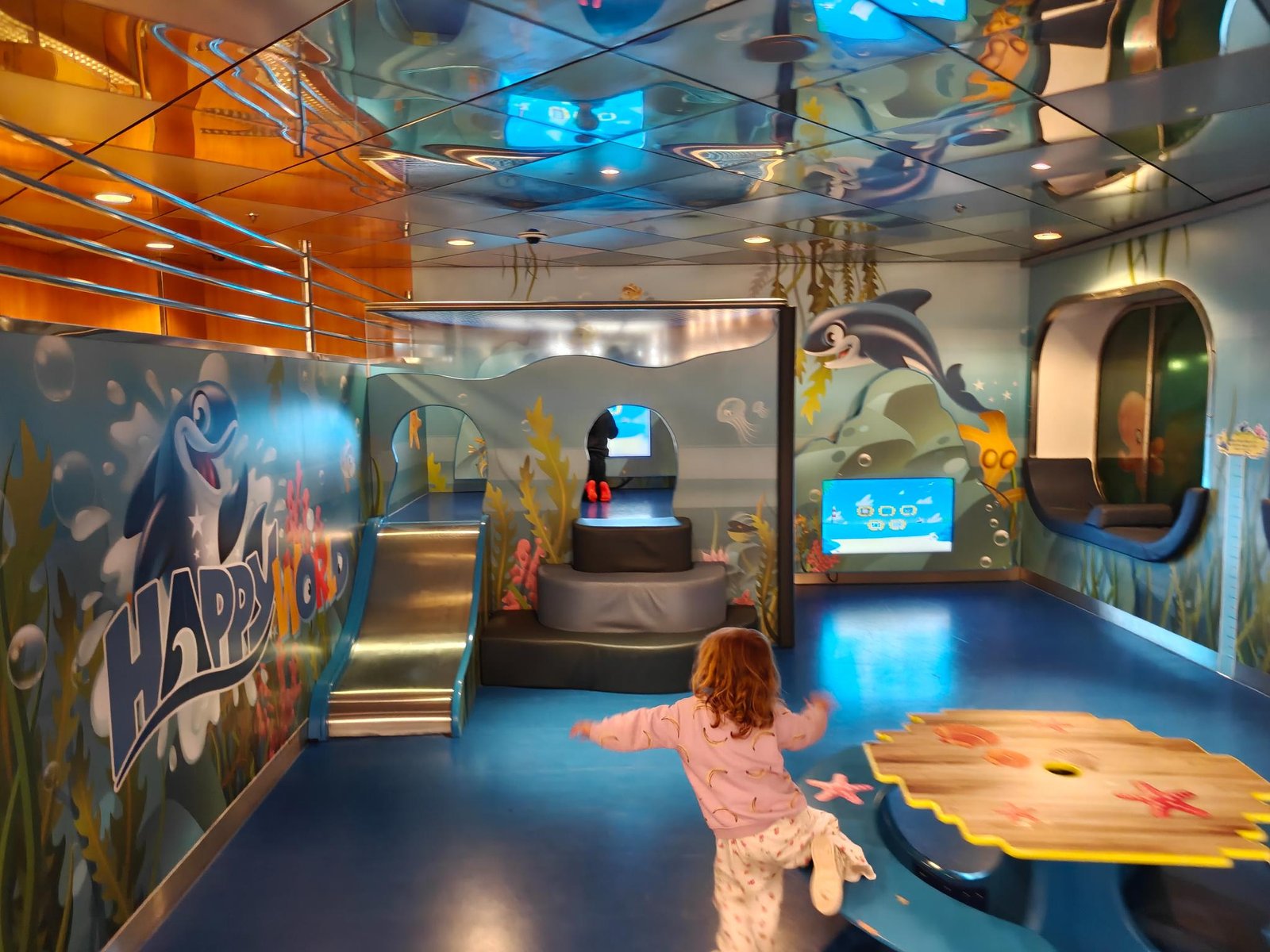
Happy World on board the Stena Hollandica
This was the final stretch of a long journey back from Asia to Europe. We flew from Bangkok to Seoul, then on to London, and from there took Stena Line Rail & Sail: first by train from London to ...
We travelled from Rotterdam to Hull by ferry - we'll cover how things went at the port, including boarding and check-in, at the end of this post.
Once you’ve shown your passport at check-in and received your boarding pass, room details, and ...
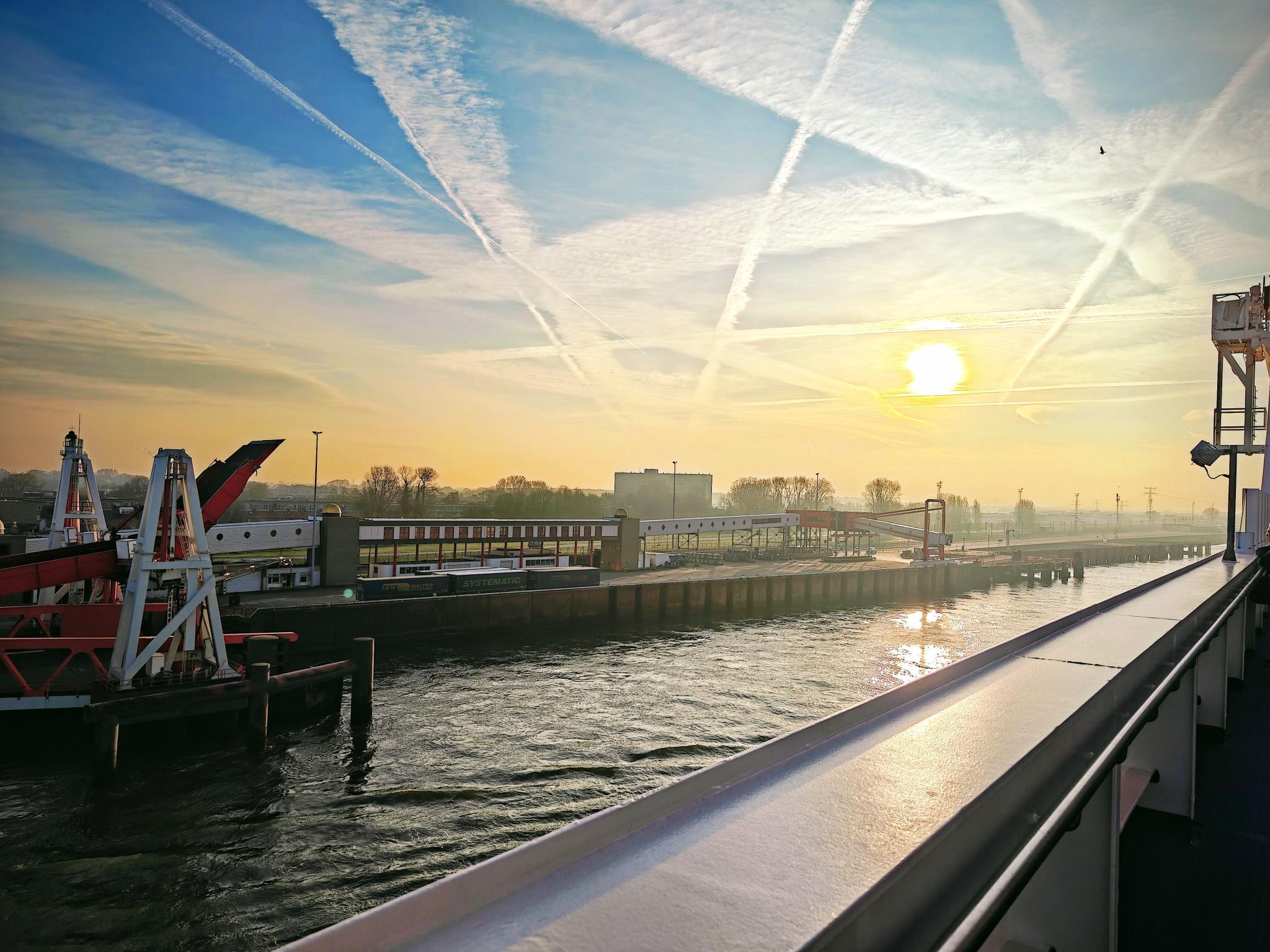
For our trip back to the Netherlands, we booked the night crossing from Harwich to Hook of Holland. Here, you can read about our experience on board, starting from the departure port of Harwich!
Check-in at Harwich
We arrived quite early ...
The Newcastle to Amsterdam ferry is one of those crossings that makes much more sense once you have actually done it. On paper it is long - about 15 to 16 hours at sea. But that is also the whole trick. You board in the afternoon, find your ...
Travelling without a car? Harwich is the route we would compare first.
Hull-Rotterdam and Newcastle-IJmuiden also take foot passengers, but Harwich-Hook of Holland stands out because of its rail connections at both ends and the combination of daytime and overnight sailings. Stena Line also offers cabins and onboard kennels or pet-friendly cabins where relevant.
Prices on UK-Netherlands ferries change a lot by season, vehicle, cabin type, passenger numbers and how early you book. The cheapest-looking fare is not always the best option once you add a car, cabin or flexible ticket.
Use the booking options below to compare live availability for the direct routes. If you are considering the Dover route via France, compare the ferry price together with the extra fuel, tolls and driving time.
On board the ferries to the Netherlands
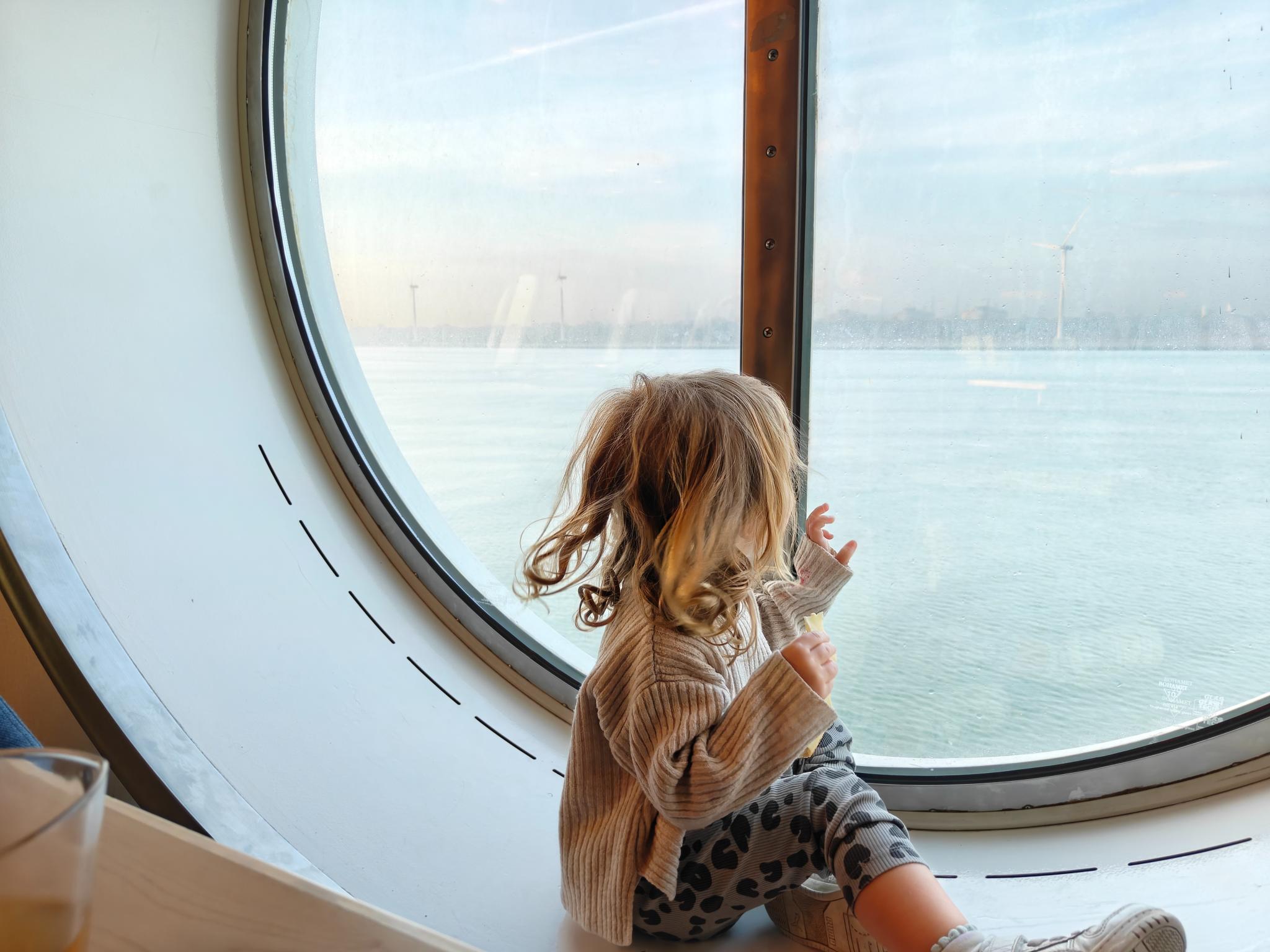
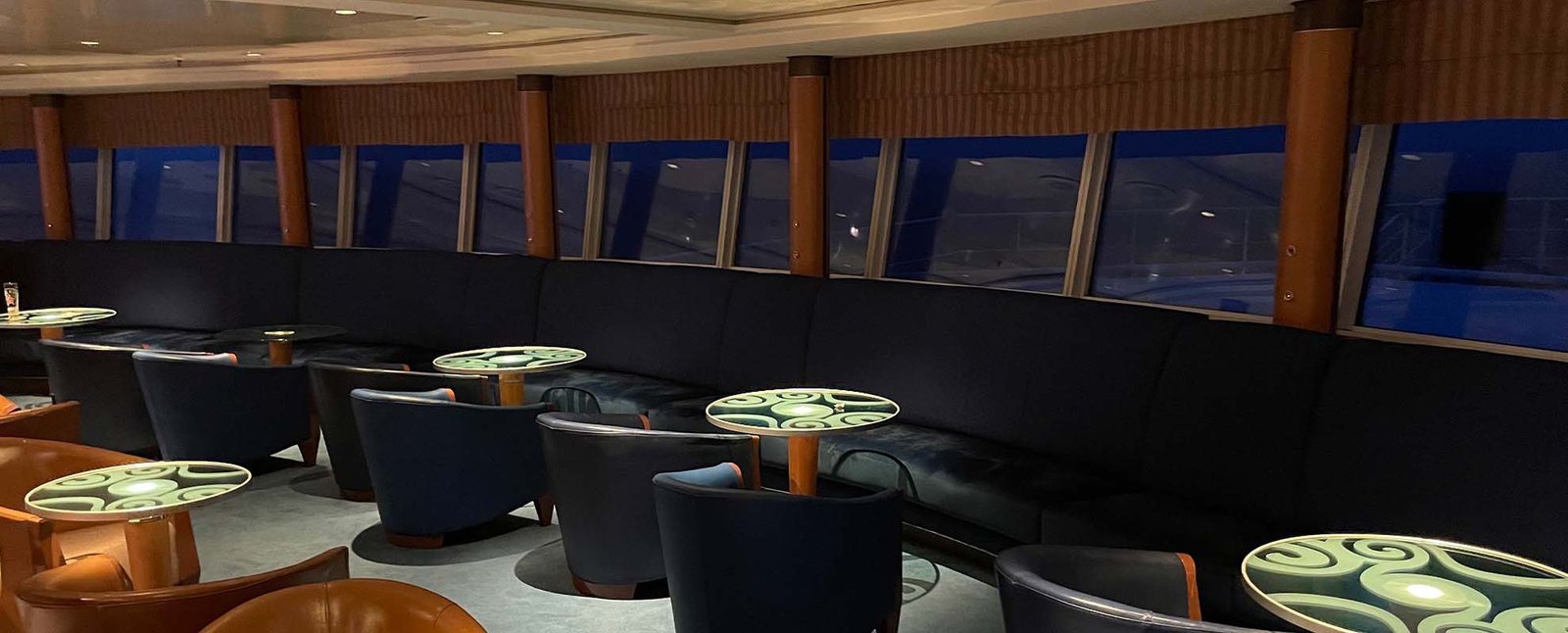
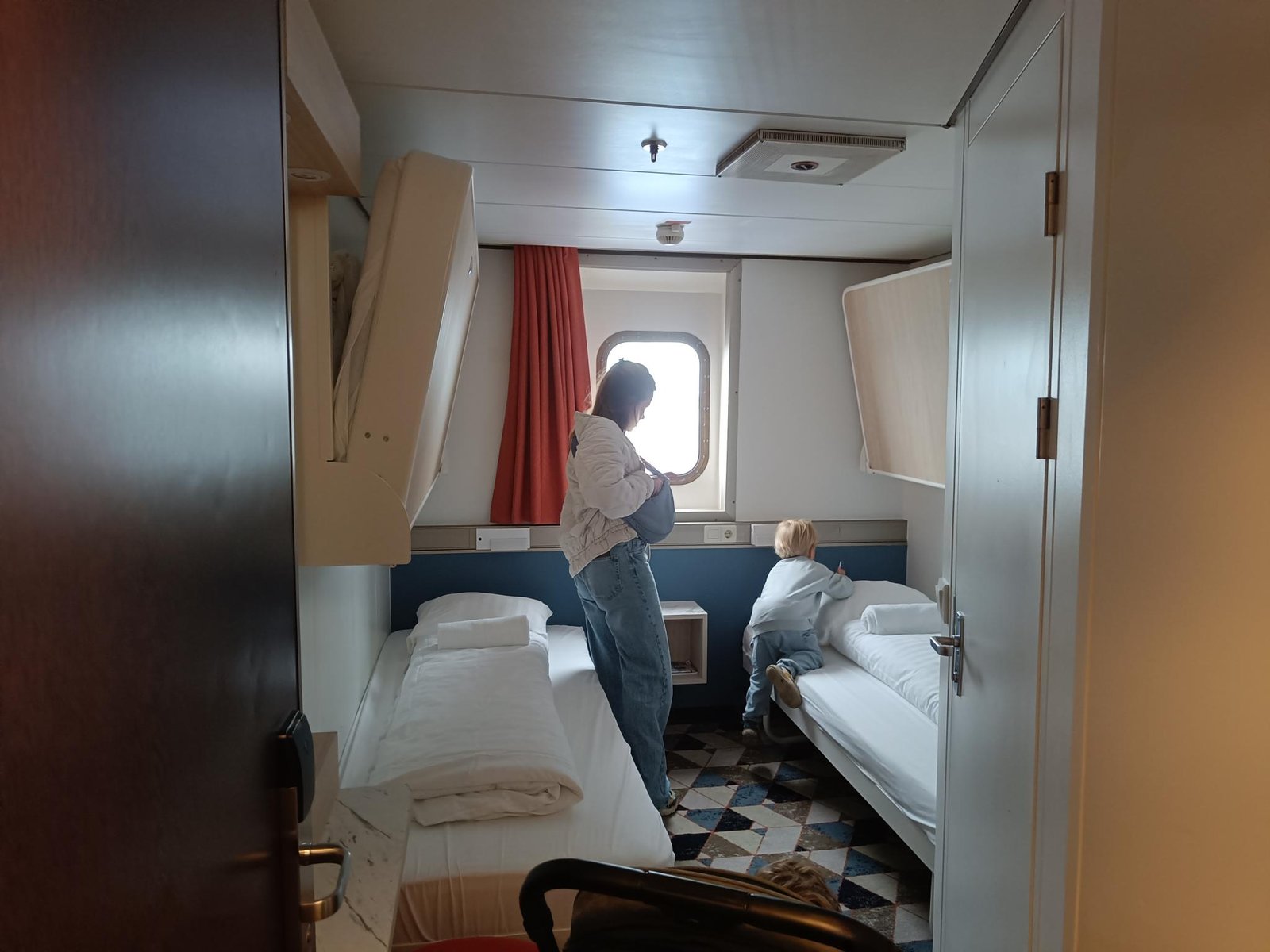
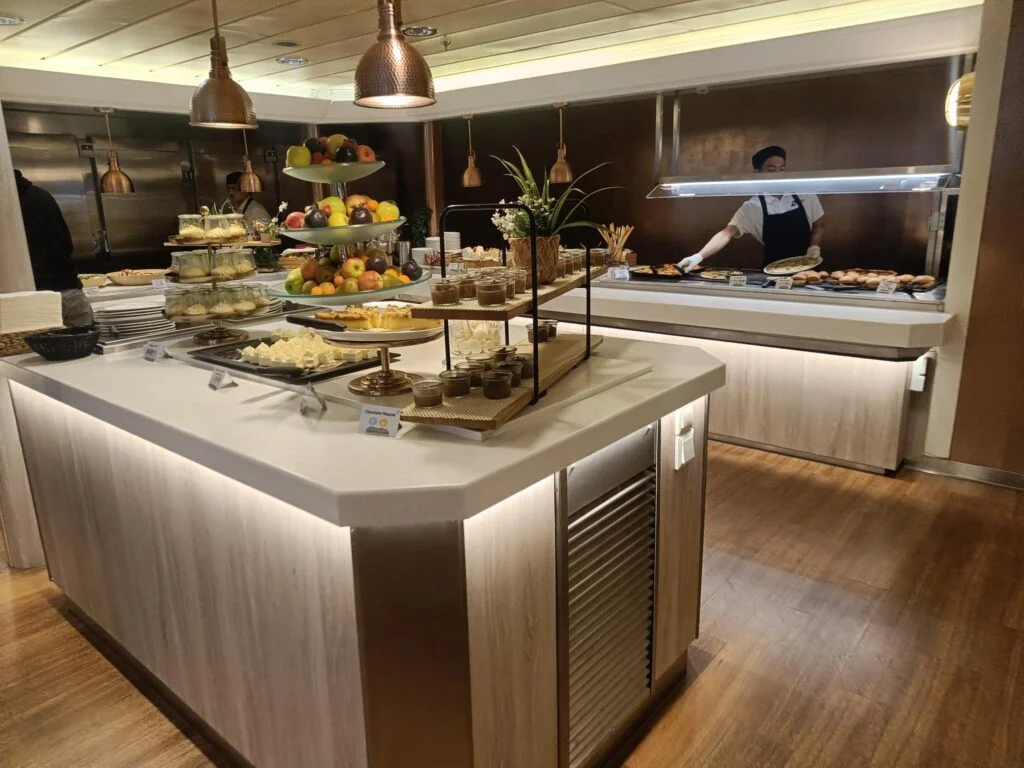
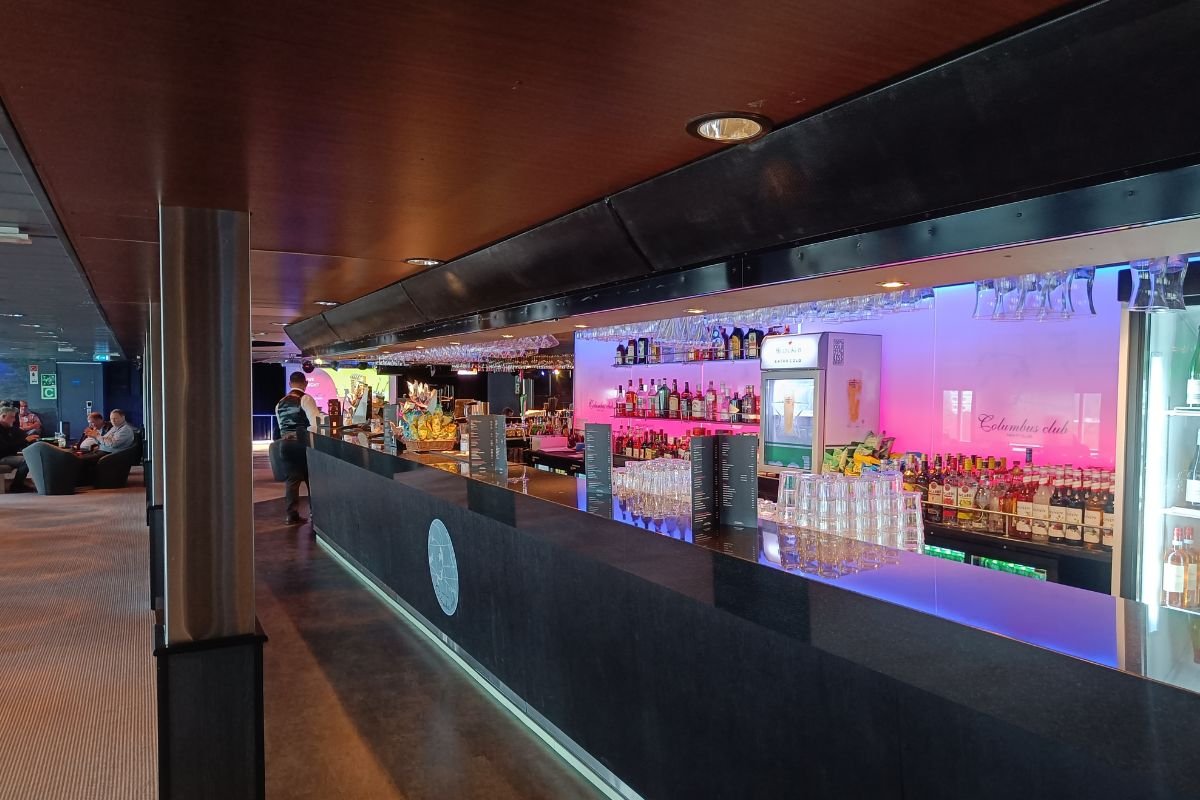
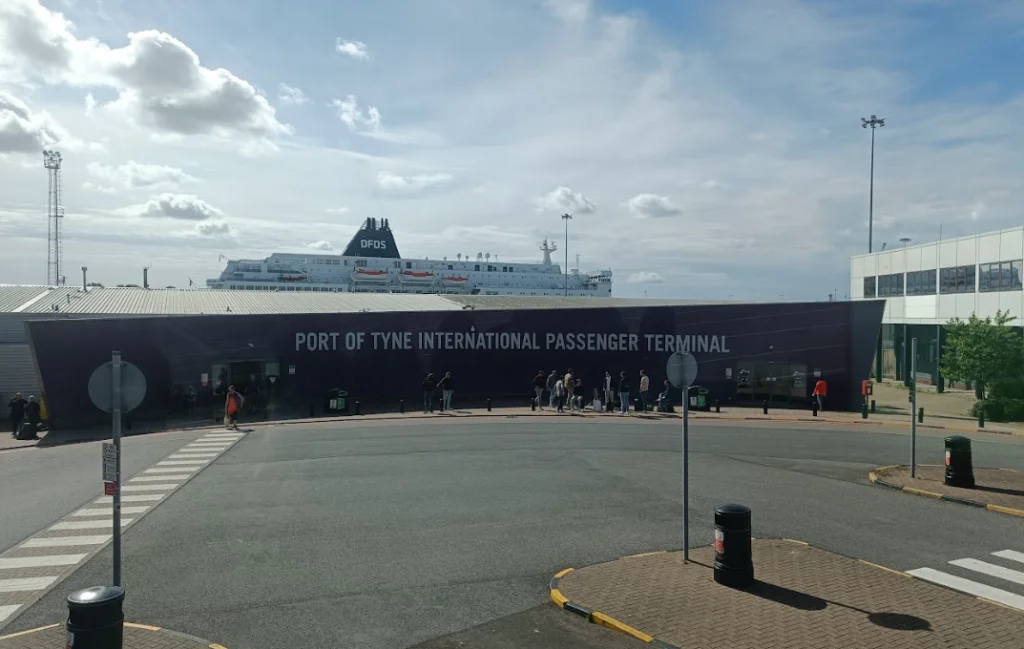
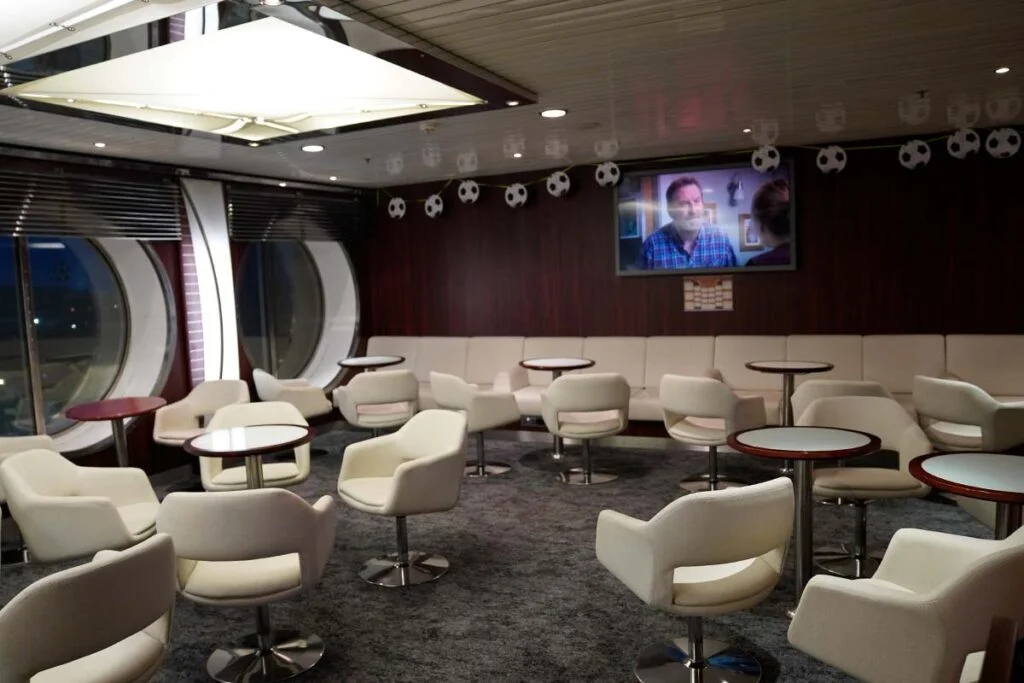
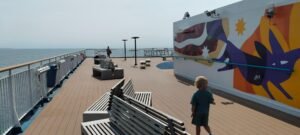
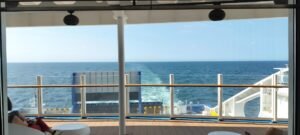
The direct North Sea crossings are part of the trip, especially on the overnight routes. Expect cabins on Hull-Rotterdam and Newcastle-Amsterdam, and a choice of day or night sailings on Harwich-Hook of Holland. The gallery below includes photos from our own UK-Netherlands ferry crossings.
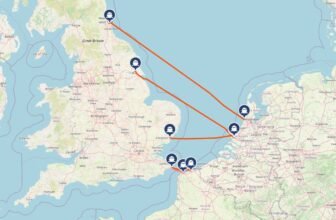
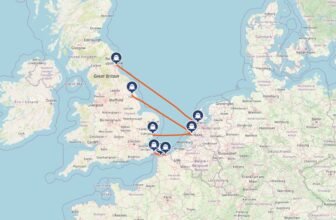
Ferries from England to the Netherlands + alternatives. From North to South: (1) Newcastle – Amsterdam (2) Hull-Rotterdam (3) Harwich-Hook of Holland. And alternatives via France (4) Dover-Dunkirk (5) Dover-Calais.
Ferries from the UK to the Netherlands: 3 direct crossings, 2 via France.
From north to south: Newcastle to Amsterdam, Hull to Rotterdam, Harwich to Hoek van Holland. Via France: Dover-Dunkirk and Dover-Calais.
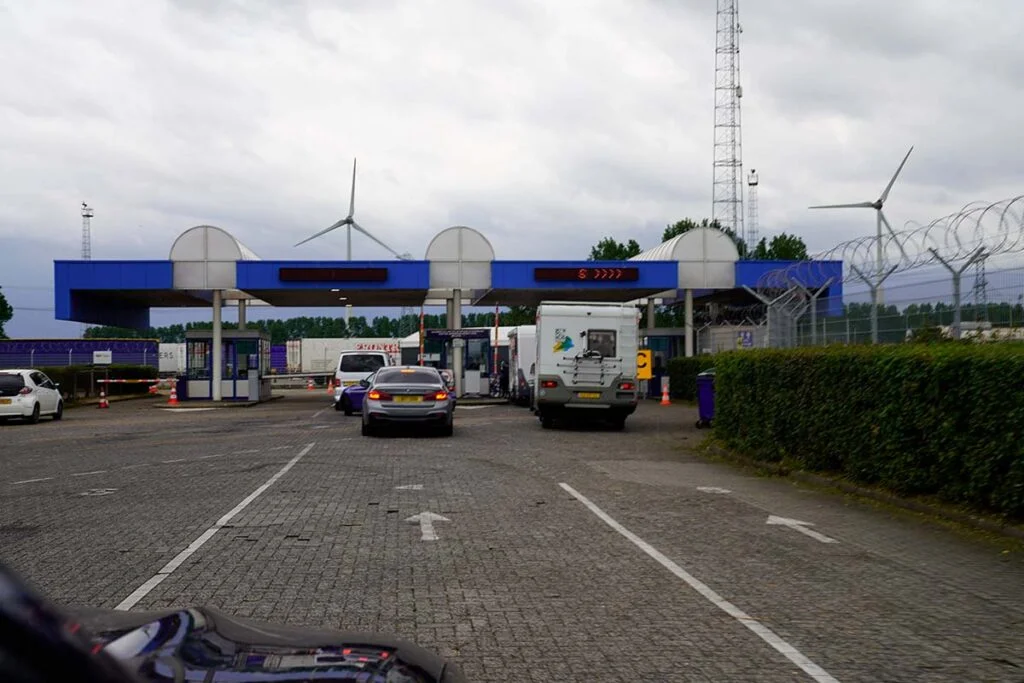
Check-in and boarding
Check-in times vary by operator, route and whether you are travelling with a vehicle or as a foot passenger. As a rule, do not plan to arrive at the last minute. Longer overnight crossings often start boarding well before departure, which is useful if you want to settle into your cabin, eat on board or travel with children.
Always use the check-in time on your booking confirmation as the final source, especially in peak season or when travelling with a car, pet, bike or camper.
Alternative from the South East: cross via France
If you live in Kent or the far South East, the three direct North Sea ferries are not automatically the best answer. A short Dover-Dunkirk or Dover-Calais crossing followed by the drive through Belgium can be worth comparing.
Dunkirk gives you a small geographical advantage towards the Netherlands, while Calais gives you more Channel choice. The downside is obvious: instead of sleeping through the North Sea crossing, you spend considerably more of the journey driving.
We would mainly choose this option if you already live close to Dover, want maximum departure flexibility or find a substantially better total price. From London, the Midlands or northern Britain, the direct Netherlands ferries usually make a cleaner complete journey.
If you have chosen your route, it is worth checking whether the operator currently has an offer that fits your dates. Ferry promotions change regularly, so treat this as the final booking step rather than the reason to choose one UK-Netherlands route over another.
Save 10% on the DFDS IJmuiden-Newcastle ferry crossing via FerryGoGo
Planning a trip from the Netherlands to northern England or Scotland? DFDS currently has a 10% FerryGoGo offer for the IJmuiden-Newcastle ferry crossing, also known to many ...
Checked: 6 October 2026 · valid for booking and travel until 31 March 2027
The deal in one line
Stena Line gives 20% off return fares on Harwich – Hook of Holland for short trips of up to four nights, with code below . It works for foot ...
As a general pattern, Hull-Rotterdam and Newcastle-Amsterdam operate as overnight crossings, while Harwich-Hook of Holland usually gives you both a day and night option. Timetables can still change by season, day of week, weather and operational adjustments, so use this page for route choice and check live sailing times before booking.
If you travel via France, there are normally many more Channel sailings across the day, especially on Dover-Calais and Dover-Dunkirk. That extra flexibility comes with more driving after arrival.
Taking a dog? All three routes have proper onboard pet options.
Stena Line offers pet-friendly cabins and kennels on Harwich-Hook of Holland. On Hull-Rotterdam, P&O Ferries requires pets to use a kennel or dog-friendly cabin rather than staying in the vehicle. DFDS offers pet-friendly cabins and kennels on Newcastle-IJmuiden. Availability is limited, so book the pet accommodation together with the ferry rather than adding it later.
EU border checks changed in April 2026.
The Entry/Exit System (EES) has been fully operational since 10 April 2026. For eligible non-EU travellers entering the Schengen area, passport details and biometric information are recorded digitally. First-time registration can take longer than a later crossing, so allow sensible time at the port.
ETIAS is separate from EES. It is currently scheduled to start in the last quarter of 2026, but no exact launch date has been announced yet.
Car or no car: Harwich-Hook works especially well without a car. Hull-Rotterdam and Newcastle-Amsterdam are strongest when you are using the ferry as part of a wider road trip.
Cabins: overnight crossings are much more comfortable with a cabin, especially with children or an early onward drive.
Onboard Wi-Fi and roaming: download films, series or maps before sailing. Roaming at sea can be expensive.
Driving in the Netherlands: remember to switch to the right-hand side of the road after arrival.
Jan Willem van Tilburg is co-founder of FerryGoGo and focuses on ferry market research, editorial strategy and practical travel content. His work covers ferry fares, route comparisons and first-hand travel guides based on real crossings. Jan Willem has sailed routes including Saint-Malo to Portsmouth, Portsmouth to Cherbourg, Newcastle to Amsterdam and Harwich to Hook of Holland himself, helping keep FerryGoGo’s guides grounded in real traveller experience.
I’m just having a look at the overnight trips from Harwich to Hook of Holland. I was looking on Thursday 30th July. It says that all the pet friendly cabins are sold out but are there normally pet friendly cabins on that ship and they are actually sold out or is it that that particular vessel doesn’t have any pet friendly cabins? Just wondering because we could maybe travel on a different Thursday and I could have a look at other dates. My wife and I would be travelling with our kids; 5, 4 and 2 so sorting out suitable cabins would be important!
Thanks for your question. Good news: both ships on this route, the *Stena Britannica* and *Stena Hollandica*, do have pet-friendly cabins. So if the booking engine shows them as sold out for Thursday 30 July, they really are sold out for that sailing – it is not that the vessel lacks them. The route sails twice a day, every day (a day crossing and an overnight crossing), so it is worth checking the sailings around your date too: pet-friendly cabins often free up a day earlier or later, and late July is peak school-holiday season, when they are among the first to go.
Worth knowing for your family: there are a few types of pet-friendly cabin, including a 5-berth layout (4 adults + 1 child, with window) – with kids of 5, 4 and 2 that is the one to aim for, so you can keep everyone plus the dog in one cabin. Each pet-friendly cabin takes up to three small pets (max 15 kg each), two medium dogs up to 30 kg, or one larger dog.
If the pet cabins are gone on your date, there are two fallbacks: the onboard heated kennels (pre-bookable under ‘Stena Plus & Onboard Extras’ – they sit in dedicated kennel rooms, not on the car deck, you can visit during the crossing and there is even a TV channel in your cabin to keep an eye on your dog), or your pet can stay in the car, though you cannot access the car deck during the sailing, so for an overnight trip we would pick the kennel over the car.

























I’m just having a look at the overnight trips from Harwich to Hook of Holland. I was looking on Thursday 30th July. It says that all the pet friendly cabins are sold out but are there normally pet friendly cabins on that ship and they are actually sold out or is it that that particular vessel doesn’t have any pet friendly cabins? Just wondering because we could maybe travel on a different Thursday and I could have a look at other dates. My wife and I would be travelling with our kids; 5, 4 and 2 so sorting out suitable cabins would be important!
Kind regards,
Phil Hellary
Hi Phil,
Thanks for your question. Good news: both ships on this route, the *Stena Britannica* and *Stena Hollandica*, do have pet-friendly cabins. So if the booking engine shows them as sold out for Thursday 30 July, they really are sold out for that sailing – it is not that the vessel lacks them. The route sails twice a day, every day (a day crossing and an overnight crossing), so it is worth checking the sailings around your date too: pet-friendly cabins often free up a day earlier or later, and late July is peak school-holiday season, when they are among the first to go.
Worth knowing for your family: there are a few types of pet-friendly cabin, including a 5-berth layout (4 adults + 1 child, with window) – with kids of 5, 4 and 2 that is the one to aim for, so you can keep everyone plus the dog in one cabin. Each pet-friendly cabin takes up to three small pets (max 15 kg each), two medium dogs up to 30 kg, or one larger dog.
If the pet cabins are gone on your date, there are two fallbacks: the onboard heated kennels (pre-bookable under ‘Stena Plus & Onboard Extras’ – they sit in dedicated kennel rooms, not on the car deck, you can visit during the crossing and there is even a TV channel in your cabin to keep an eye on your dog), or your pet can stay in the car, though you cannot access the car deck during the sailing, so for an overnight trip we would pick the kennel over the car.
For choosing between the cabin types with three young children, our Stena Line cabins and upgrades guide for this route compares them all – we have sailed this crossing with our own kids, so it is based on real experience. And for the pet paperwork side, see our travelling with a dog on ferries guide.
Have a great trip!