


We tested every Dover to Calais crossing back to back: P&O Ferries, DFDS, Irish Ferries and LeShuttle / Eurotunnel. Two of us, Jelle and Rob, crossed the Channel four times in two days so we could compare the operators properly: price, speed, check-in, comfort, food, outdoor space and the overall travel experience.
There are four main ways to cross between Dover, Calais and Folkestone: three ferry operators on the Dover to Calais ferry route ↗, plus the faster LeShuttle car train through the Channel Tunnel. On paper, the train is fastest. In practice, the best choice depends on your budget, your travel plans and whether you want the crossing to feel like part of the holiday.
Our quick verdict
- Best overall ferry in our test: P&O Ferries
- Fastest crossing: LeShuttle / Eurotunnel
- Cheapest crossing on our trip: P&O Ferries
- Best if you want a break from driving: the ferry
- Best for short trips or business travel: LeShuttle, if the price is acceptable
For our own next trip, we would usually choose the ferry for a relaxed holiday journey, especially after a long drive. If time matters more than price or comfort, LeShuttle is hard to beat. Among the ferries, P&O impressed us most on this specific trip.
What we paid for two people and a car
| Operator | What we paid | Our short verdict |
|---|---|---|
| P&O Ferries | £77 | Best overall experience in our test |
| Irish Ferries | £81 | Characterful, but more dated on board |
| DFDS | £84 | Functional and tidy, but less atmospheric |
| LeShuttle / Eurotunnel | £145 | Fastest, but much more expensive on our trip |
These were the prices we paid for our own test trip. Ferry and tunnel fares change by date, departure time, vehicle type and availability, so the cheapest option can be different for your journey.
Day 1: Our experience with LeShuttle / Eurotunnel
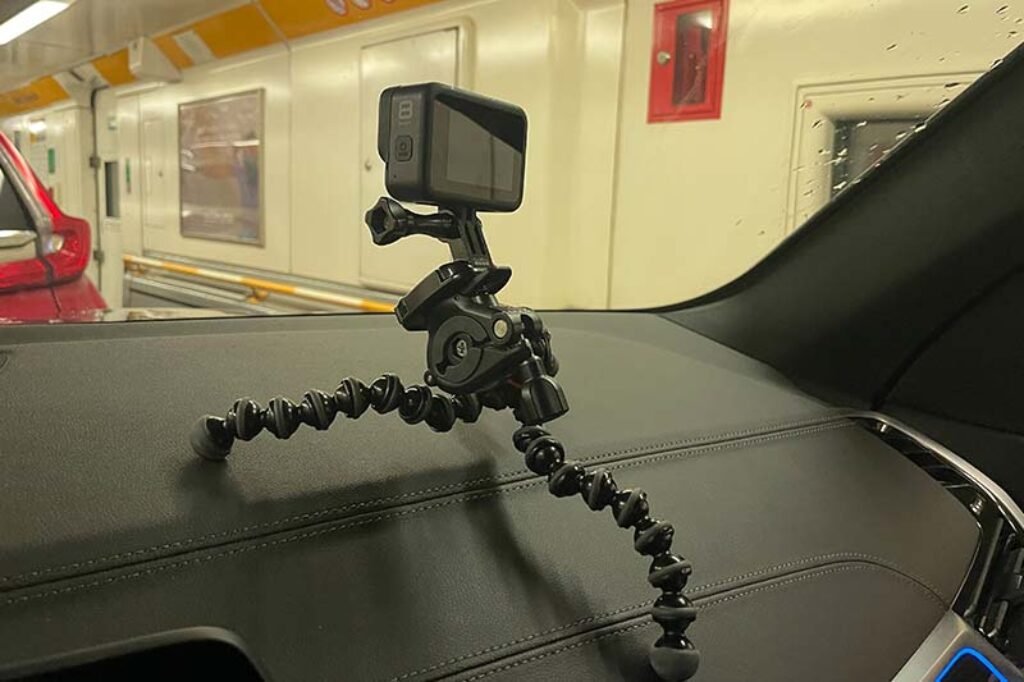
Early in the morning, we set off by car to travel to England via LeShuttle / Eurotunnel. Although the train was nearly £60 more expensive than the ferry services in our test, the crossing itself takes just 35 minutes, which is significantly shorter than the usual 90-minute ferry crossing.
However, the difference is not quite as simple as 35 minutes versus 90 minutes. Check-in and border control waiting times are similar for both the ferry and the train, and you normally need to arrive well before departure. During busy holiday periods, it is sensible to allow extra time.
Estimated travel time, including check-in
- Ferries: just over 2.5 hours
- LeShuttle / Eurotunnel: about 1 hour 35 minutes
As we arrived well ahead of time, the friendly check-in staff kindly offered us an earlier train. That was a pleasant bonus and made the whole process feel very efficient.
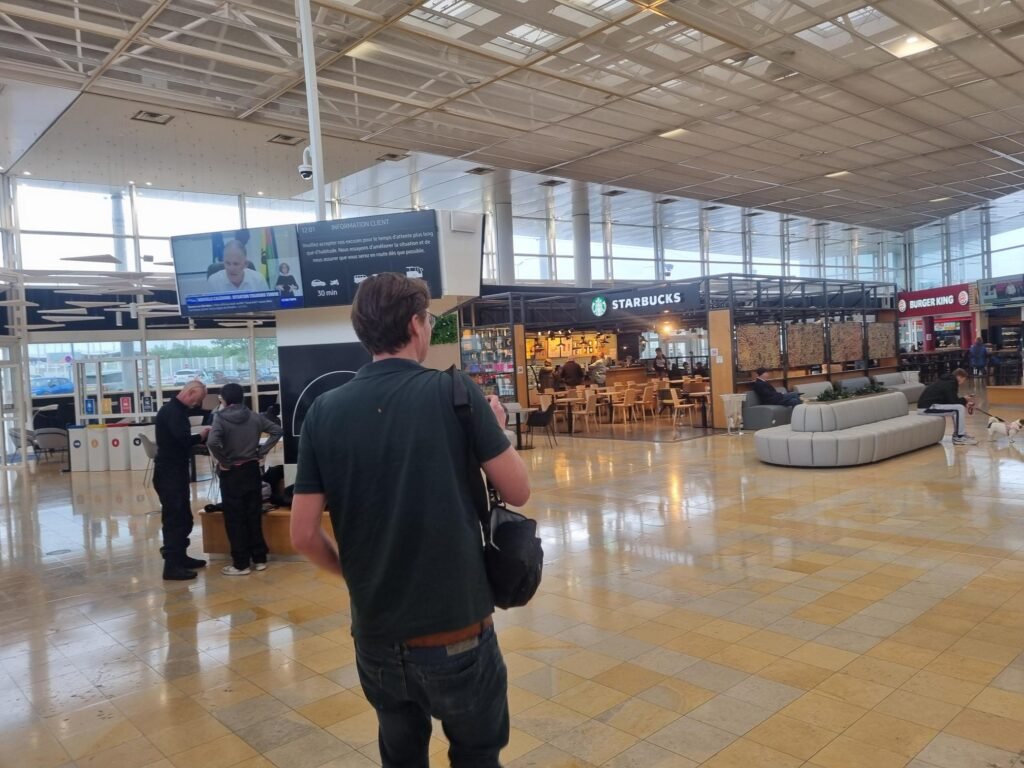
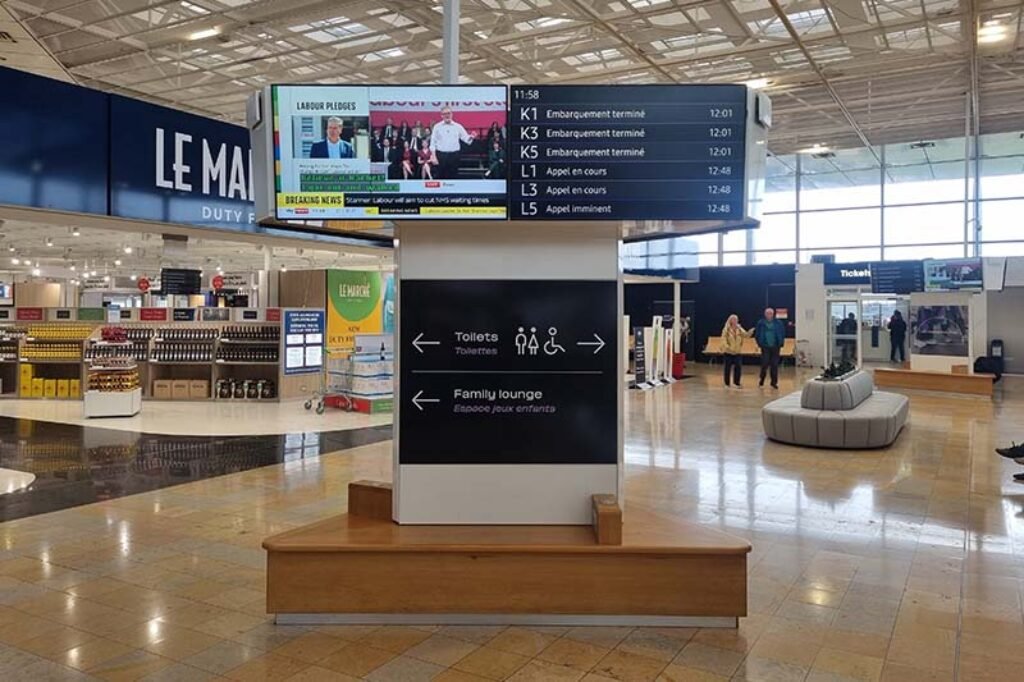
After a brief stop to look around the terminal, we continued towards UK border control, which is located in France. There, we were politely questioned about why we were travelling back and forth between France and England so frequently.
Once we showed them the website you are currently reading, FerryGoGo, and explained our reason for travelling, they understood, and we were free to go.
Looking for ways to avoid Dover? Here are the best alternatives and other UK-France crossings, with the routes we would actually choose depending on where you are starting from.
Time to board
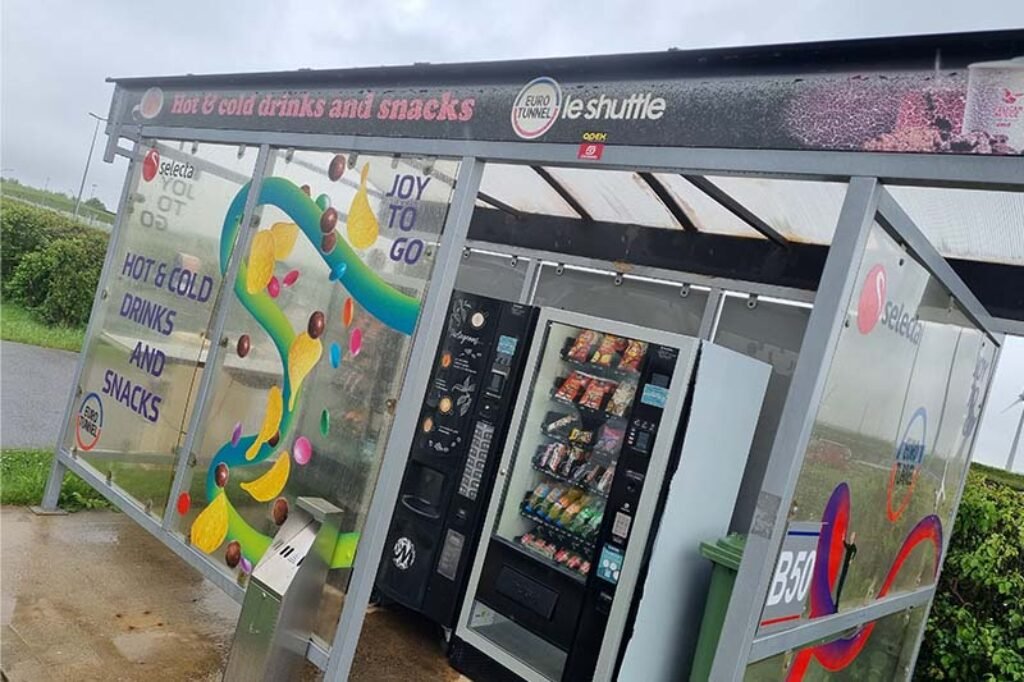
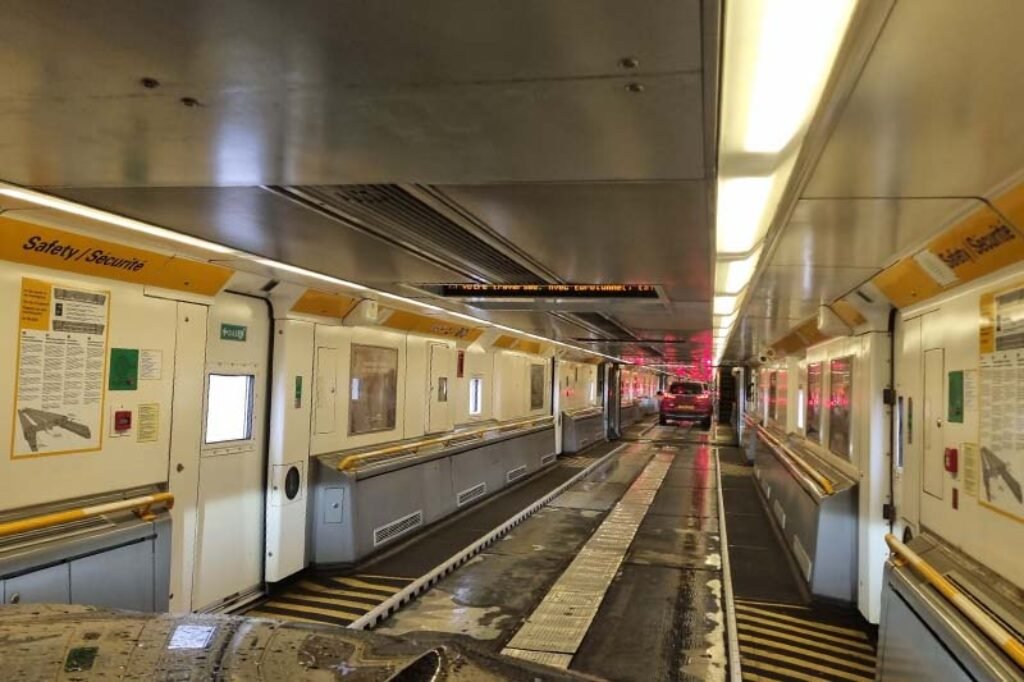
Just before driving onto the train, you wait in a designated holding area where you can use the toilets and vending machines. Boarding is a unique experience: you carefully drive into the carriage and park in your assigned spot.
Once on board, you can leave your car to stretch your legs or use the toilet. You are still inside the train, of course, so it is not a scenic crossing, but it is extremely efficient.
After just over half an hour, you arrive in Folkestone, or in Calais if you are travelling in the opposite direction. The speed of the journey is genuinely impressive. From Folkestone, it is only around a 10-minute drive southwest to Dover.
Curious to see what the train crossing looks like? Watch our video of the Channel Tunnel, where we travel from France to the UK by car train.
Want the full car train write-up? Read our complete LeShuttle review ↗, with photos, timings and what the Folkestone-Calais crossing is really like.
Want to compare the live price difference? LeShuttle was much faster in our test, but also considerably more expensive. It is worth checking the ferry and tunnel options for your own date before deciding: compare Dover-Calais ferry and tunnel prices ↗.
Day 1: arriving in England
Once in England, you drive off the train and continue your journey. We did not have much time to take in England, though, as we headed straight to Dover’s ferry terminal to check in for our P&O Ferries crossing to Calais.
Day 1: Our experience with P&O Ferries
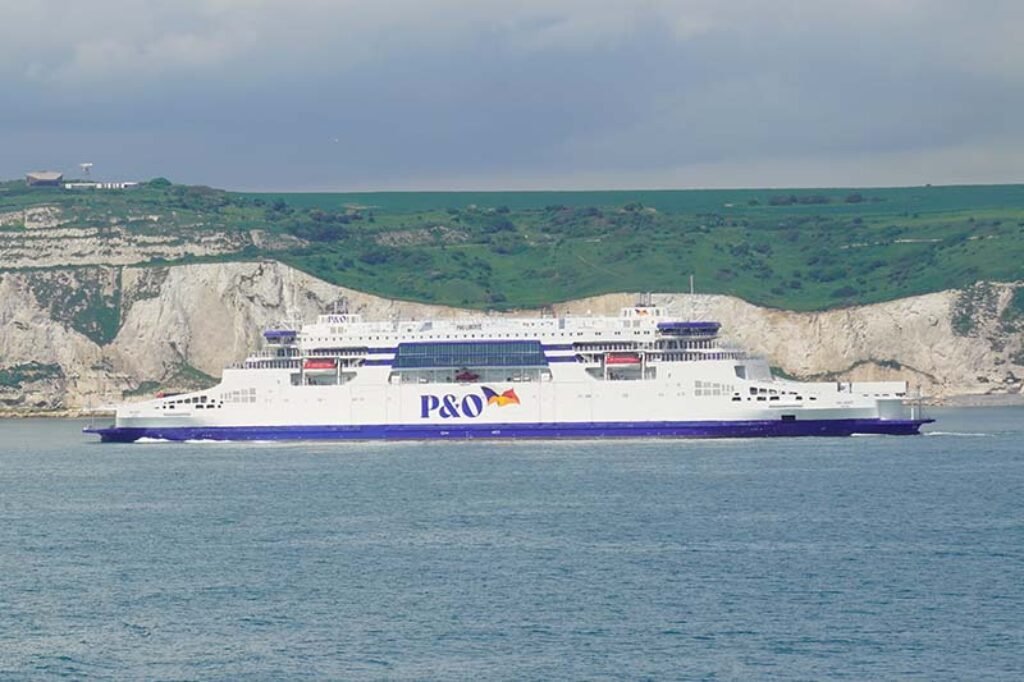
From Folkestone, we drove to Dover to take a P&O Ferries crossing back to France. And to be honest, we were thoroughly impressed.
P&O operates this route with two modern ships, the P&O Pioneer and its sister ship, the P&O Liberté pictured above. We sailed on the P&O Pioneer and were struck by how well everything was organised on board. There was plenty of seating, both indoors and outdoors, as well as several options for food and drinks.
The large glass façade in the centre of the ship gives it a spacious feel while offering wide views throughout the journey. The outdoor areas were also a highlight, with comfortable seating and wind protection, although we would still have liked to see a more traditional railing on the outer deck.
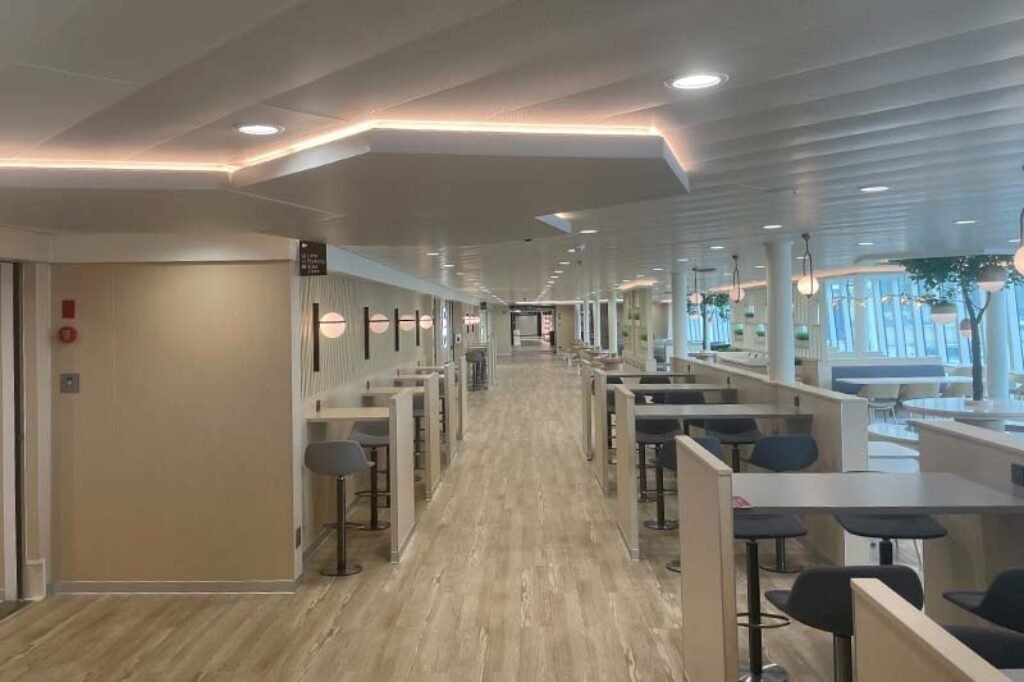
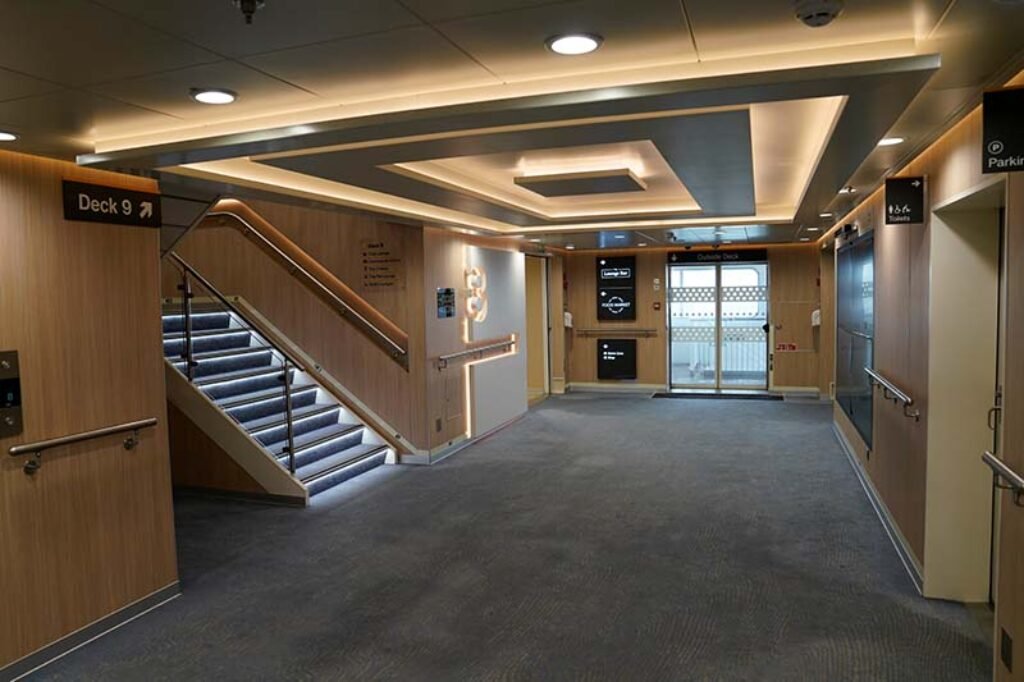
Outstanding hospitality: we were particularly impressed by the crew’s friendliness. When we wanted to take photos of areas that were normally off-limits, the staff happily accommodated our request, making the experience even more enjoyable.
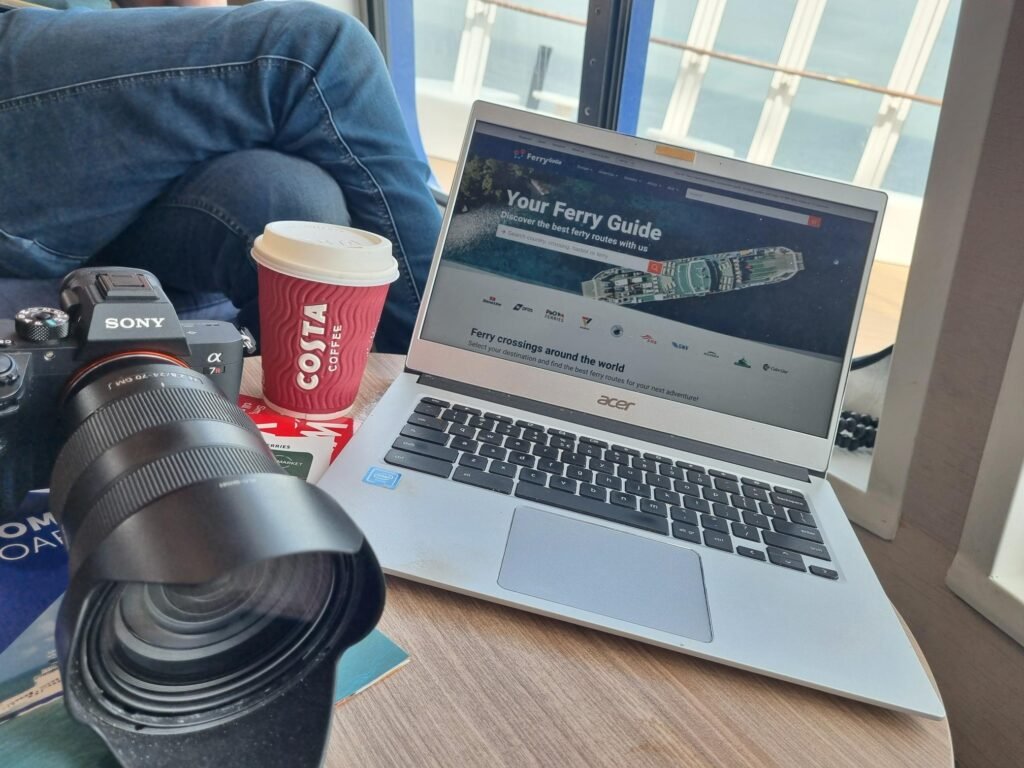
This warm and welcoming attitude was a common theme across all our crossings. We experienced the same friendly and accommodating service with DFDS and Irish Ferries, making each journey more pleasant.
Our tip: choose mainly on price if the difference is large, but if P&O is only slightly more expensive, we would personally consider paying a little extra based on this crossing. You can check current P&O Dover-Calais prices here ↗.
Day 1: arrival in Calais
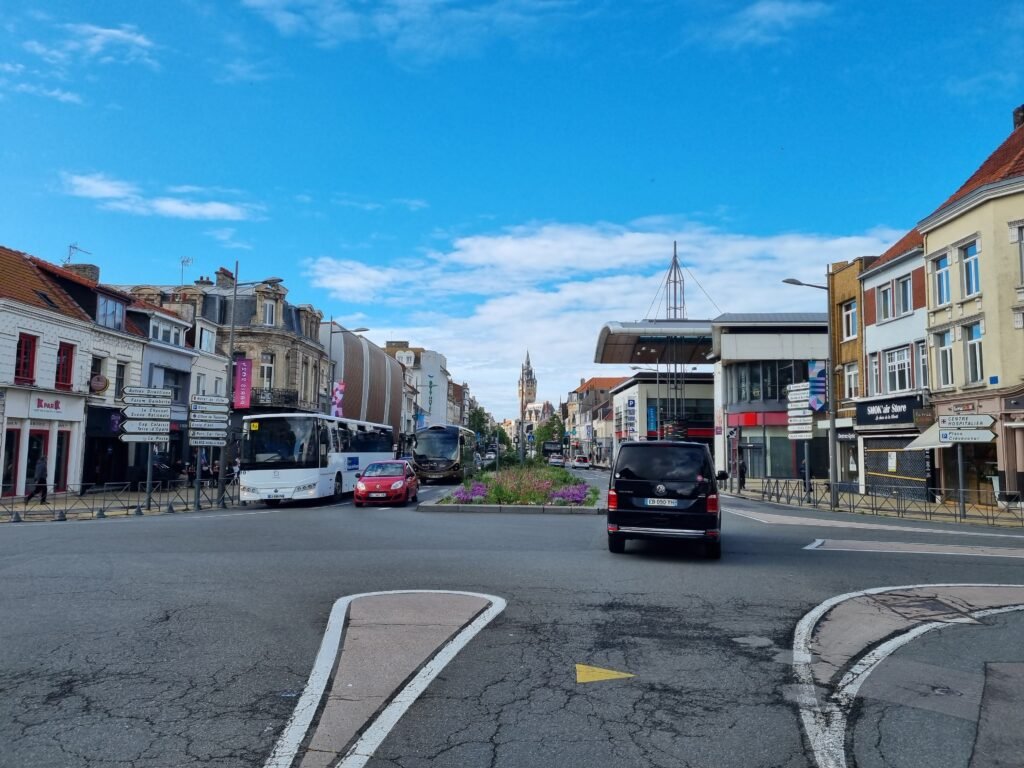
Arriving in Calais is a straightforward and efficient process. You are usually directed straight towards the motorway, which makes the onward journey simple. For British travellers, it also provides a gentle reintroduction to driving on the right-hand side.
If you would like to visit Calais city centre, you need to take a short detour. Most travellers, however, continue straight to their final destination in France or elsewhere in Europe.
Overnight stay in Calais
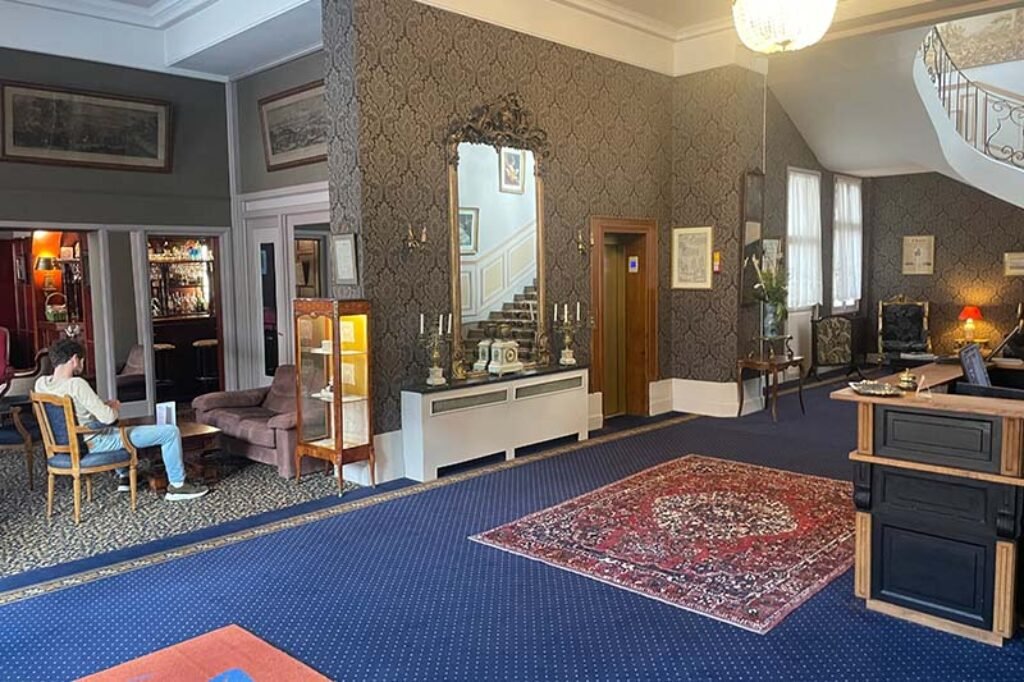
To ensure a well-rested start for the next day’s journey, we spent the night in Calais. To our surprise, the evening atmosphere in the city was livelier than expected. Plenty of restaurants and cosy pubs attract a nice mix of French and British visitors.
We stayed at Hotel Meurice ↗, which we chose for the following reasons:
- Good parking facilities right in front of the hotel, with a garage option available
- Central location in the historic part of Calais
- A charming bar inside the hotel
The hotel itself is simple but comfortable and affordable, which was exactly what we needed before continuing our journey. We set off again the following day, this time with Irish Ferries, heading back to the UK.
Day 2: Our experience with Irish Ferries
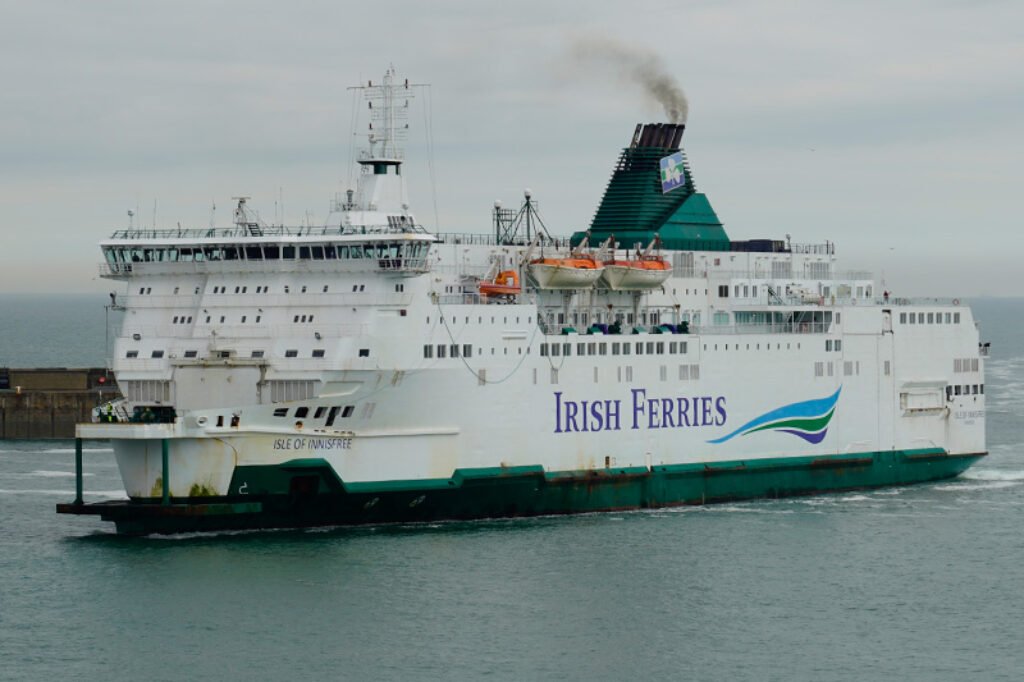
We set off early in the morning to catch the Irish Ferries crossing ↗. After the usual check-in wait, we boarded the Isle of Innisfree. The photo above was taken the day before.
The Isle of Innisfree is an older ferry, significantly older than the P&O Pioneer, which added a certain charm. It felt a bit more like a traditional ferry, with more character and some quirky corners to explore.
However, the interior and catering felt outdated, and food and drink prices were noticeably higher than on P&O and DFDS. The sanitary facilities were also poorly maintained, which left room for improvement.
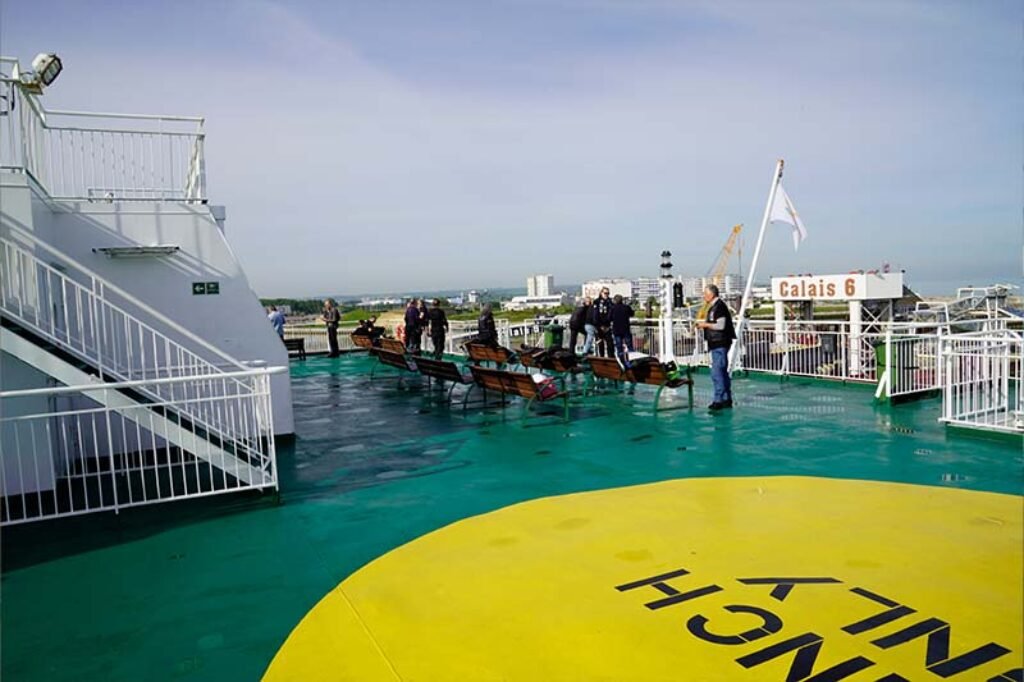
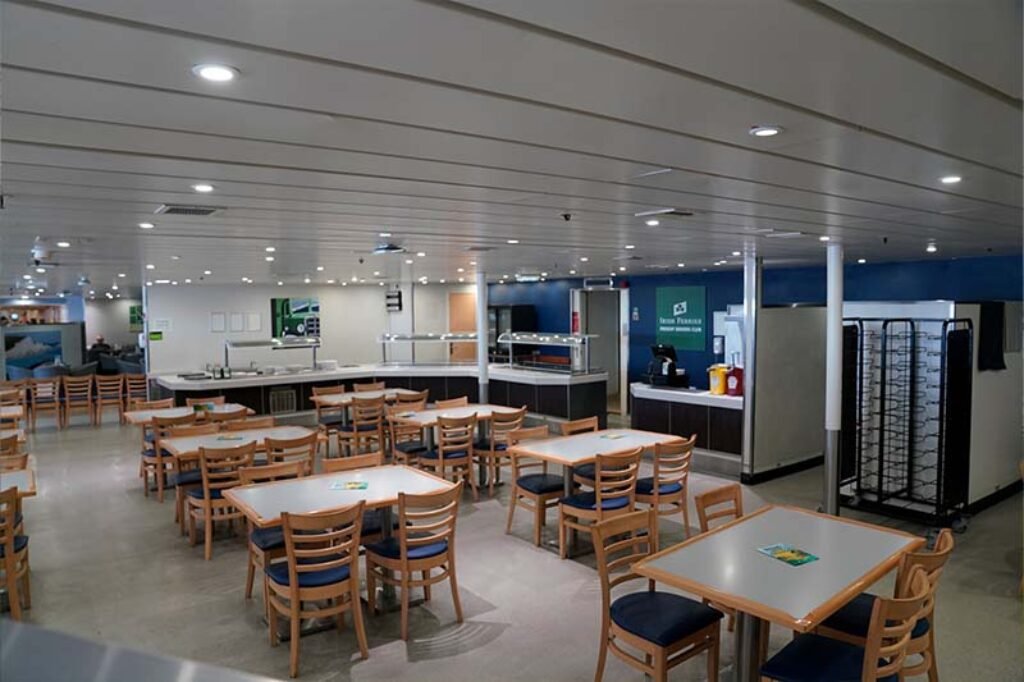
Fortunately, the friendly staff made up for a lot. The various outdoor decks also provided plenty of space to enjoy the crossing, making the journey pleasant overall. We were lucky to have beautiful weather, which certainly helped.
Day 2: arrival by ferry in Dover
Arriving in Dover by ferry is spectacular, with views of the iconic White Cliffs as you approach the coast. If the weather is good, it is worth heading outside before arrival to take it all in.
Dover’s port is smaller and more compact than Calais, and it can feel a bit chaotic during busy periods. The infrastructure around the port is not ideal, so delays are possible when arriving or departing on peak days.
Fortunately, our own experience was fairly smooth. After disembarking, we quickly turned around in Dover town centre before heading to DFDS check-in for our next crossing.
Day 2: Our experience with DFDS
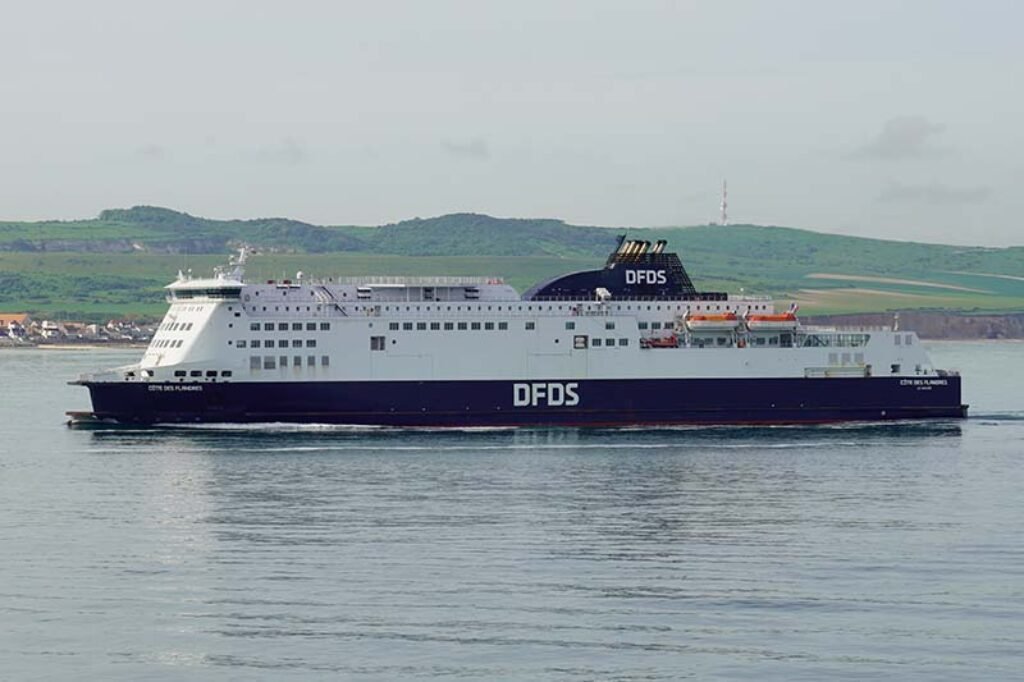
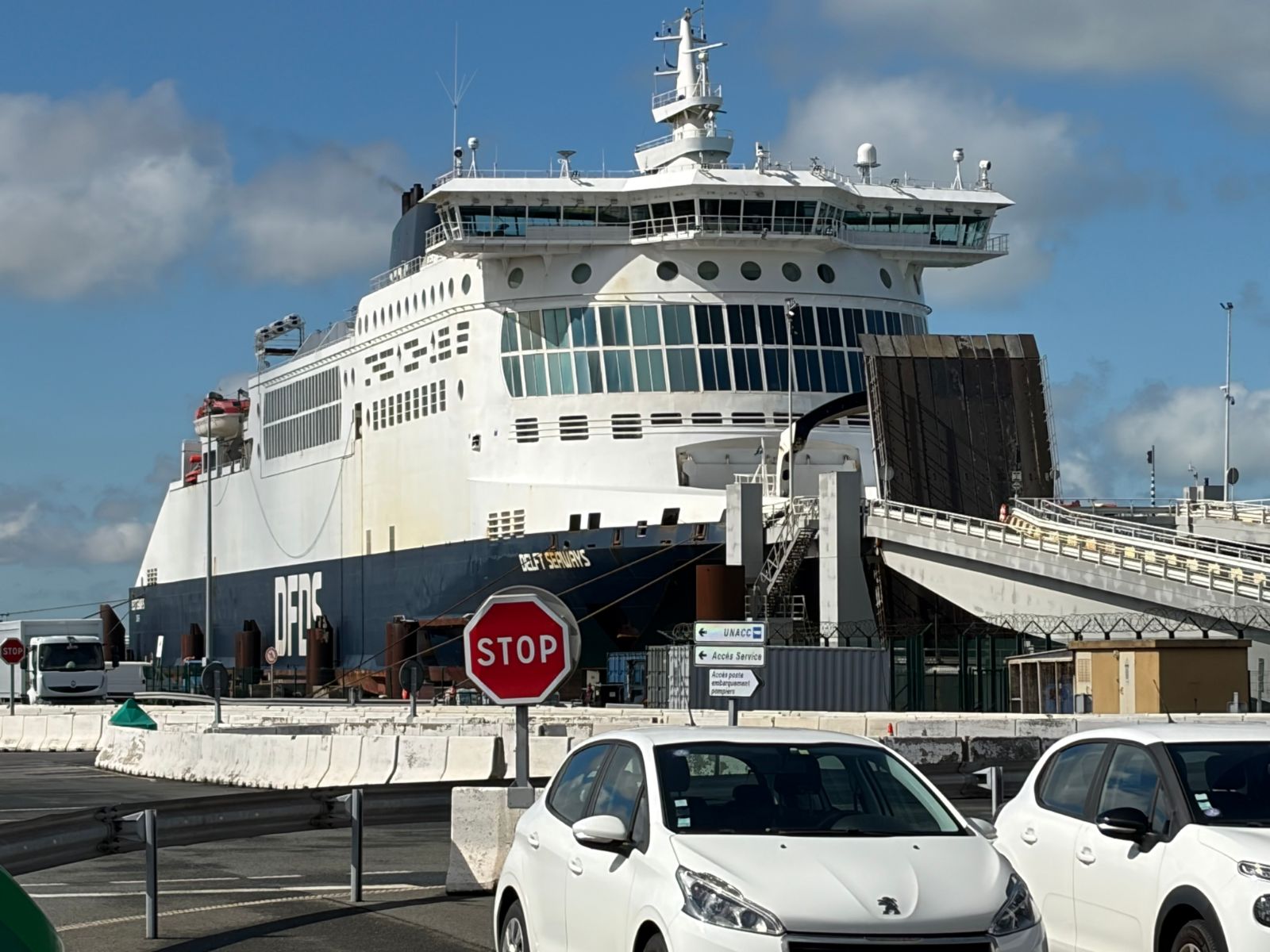
Our final crossing was with DFDS ↗. At first glance, the renovated interior of the ferry was neat and well maintained, though not as impressive as what we had experienced with P&O.
The ferry was quite busy, creating a lively holiday atmosphere. However, comfort was somewhat lacking, as we struggled to find genuinely comfortable seating, partly because of how crowded it was.
One downside was the lack of outdoor seating. There were no benches or chairs on the deck, which felt like a missed opportunity. Many passengers ended up sitting on the floor, which showed there was definitely demand for outdoor seating during the crossing.
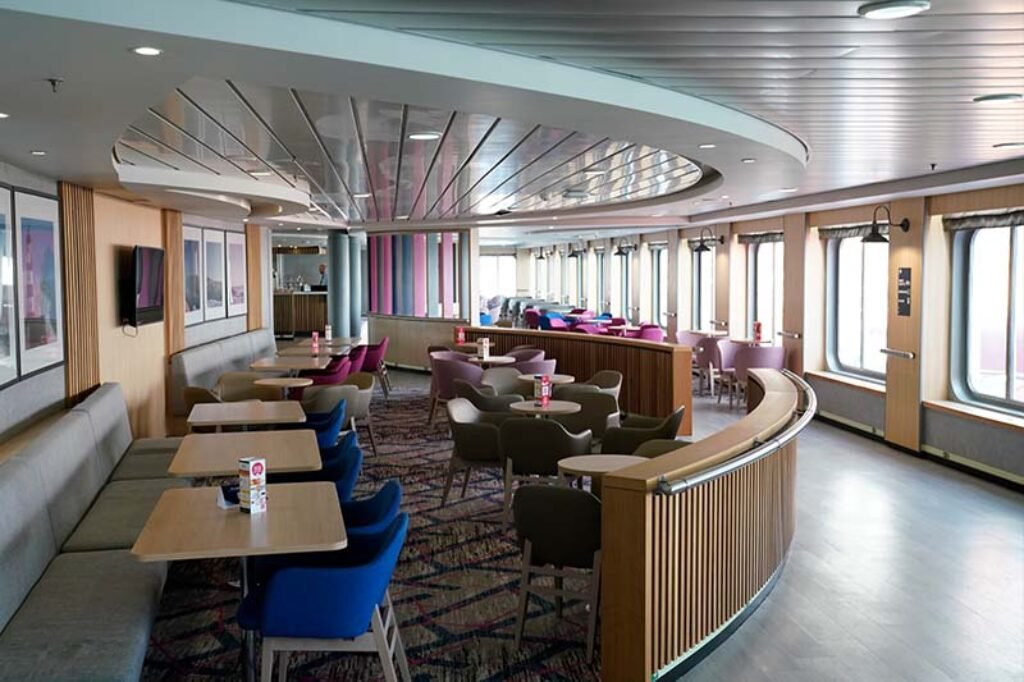
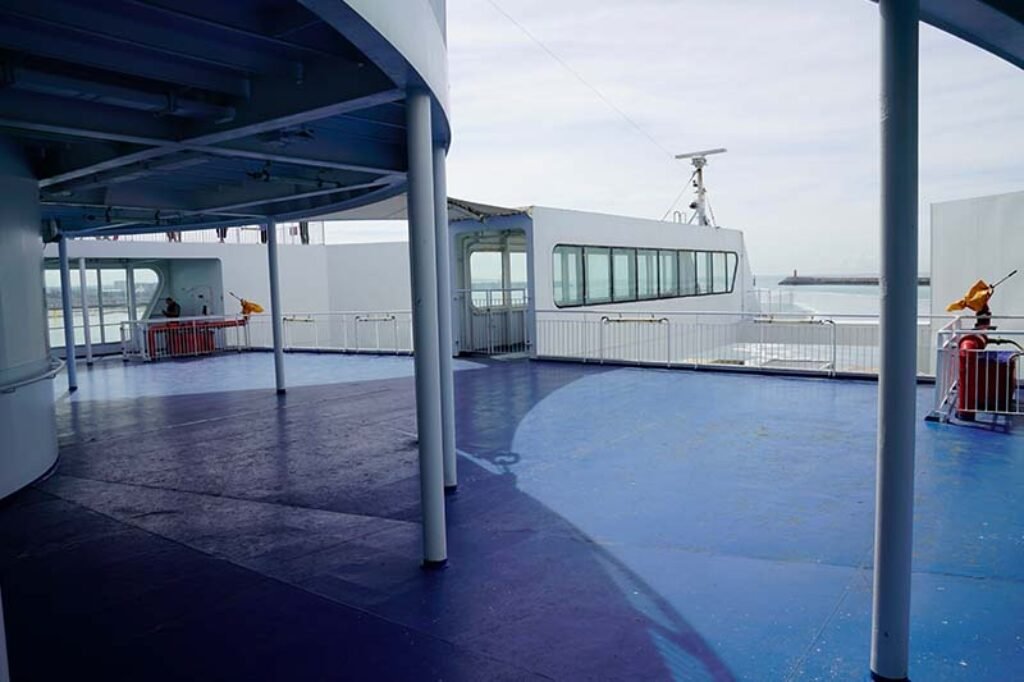
The DFDS ferry had a more functional, public-transport-like feel, whereas Irish Ferries and P&O offered more of a travel experience.
That said, DFDS served the best coffee of the three ferry operators. To be fair, that was partly because the coffee on the other crossings was not especially strong either.
How would we travel between Dover and Calais next time: ferry or LeShuttle?
The key question when choosing between the ferry and LeShuttle / Eurotunnel is whether the higher price of the train is worth the time saved. For us, the answer was: sometimes, but not always.
For short trips and business travel, the train is an attractive option. The speed is ideal when you only have a few days and do not want to lose time. The extra cost is also easier to justify if several people are travelling in the same vehicle, as the price is often based around the vehicle rather than each individual traveller.
That said, LeShuttle fares can rise significantly during peak departure times. Want to see if this applies to your trip? You can compare ferry and tunnel prices for Dover-Calais here ↗.
For longer holiday journeys, we still prefer the ferry as the more relaxing and enjoyable option. Since check-in times for both options are broadly comparable, the time saved by LeShuttle becomes less significant on a long travel day. The ferry also gives you a proper break from the car: you can stretch your legs, get some fresh air on deck, grab something to eat and make the Channel crossing part of the trip.
If you choose the ferry, should you travel with P&O, DFDS or Irish Ferries?
For a 1.5-hour crossing, we would generally still choose based on price and departure time. It is a short journey, and all three ferry operators get you across the Channel. However, our experience with P&O Ferries on the Dover-Calais route was good enough that we would be willing to pay a little more for it.
Personally, if I were travelling with my family next time, I would not hesitate to pay around £10 extra to sail with P&O instead of another operator, based on this specific crossing. That said, everyone has to decide what suits their own trip. In our case, we did not even need to ask the question, because P&O Ferries also turned out to be the most affordable option.

Our practical advice: compare prices first, then look at the ship and departure time. If P&O is close in price, it would be our preferred ferry option based on this test. You can check current P&O Dover-Calais prices here ↗.
What we paid
- P&O Ferries: £77
- Irish Ferries: £81
- DFDS: £84
- LeShuttle / Eurotunnel: £145
Again, these were the prices from our own test trip. Live fares can change quickly, especially around weekends, school holidays and popular departure times.
Final thoughts: ferry or LeShuttle?
After testing every Dover-Calais option back to back, our choice is clear: LeShuttle is best when speed matters most, but the ferry is the more enjoyable option for most holiday trips. Among the ferries, P&O gave us the best overall experience on this journey, especially because the ship felt modern, spacious and well organised.
That does not mean P&O will always be the best choice for every traveller. Prices change, departure times matter and a short crossing can be perfectly fine with any of the three ferry operators. But if the fare difference is small, we would personally choose P&O again based on this test.
For the quickest crossing, choose LeShuttle. For a proper break from the car, sea views and a more relaxed start to France, choose the ferry.
Get our latest ferry guides, route updates and travel tips in your Google feed. Add FerryGoGo as a preferred source in Google, and follow us in Discover when Google shows the option.




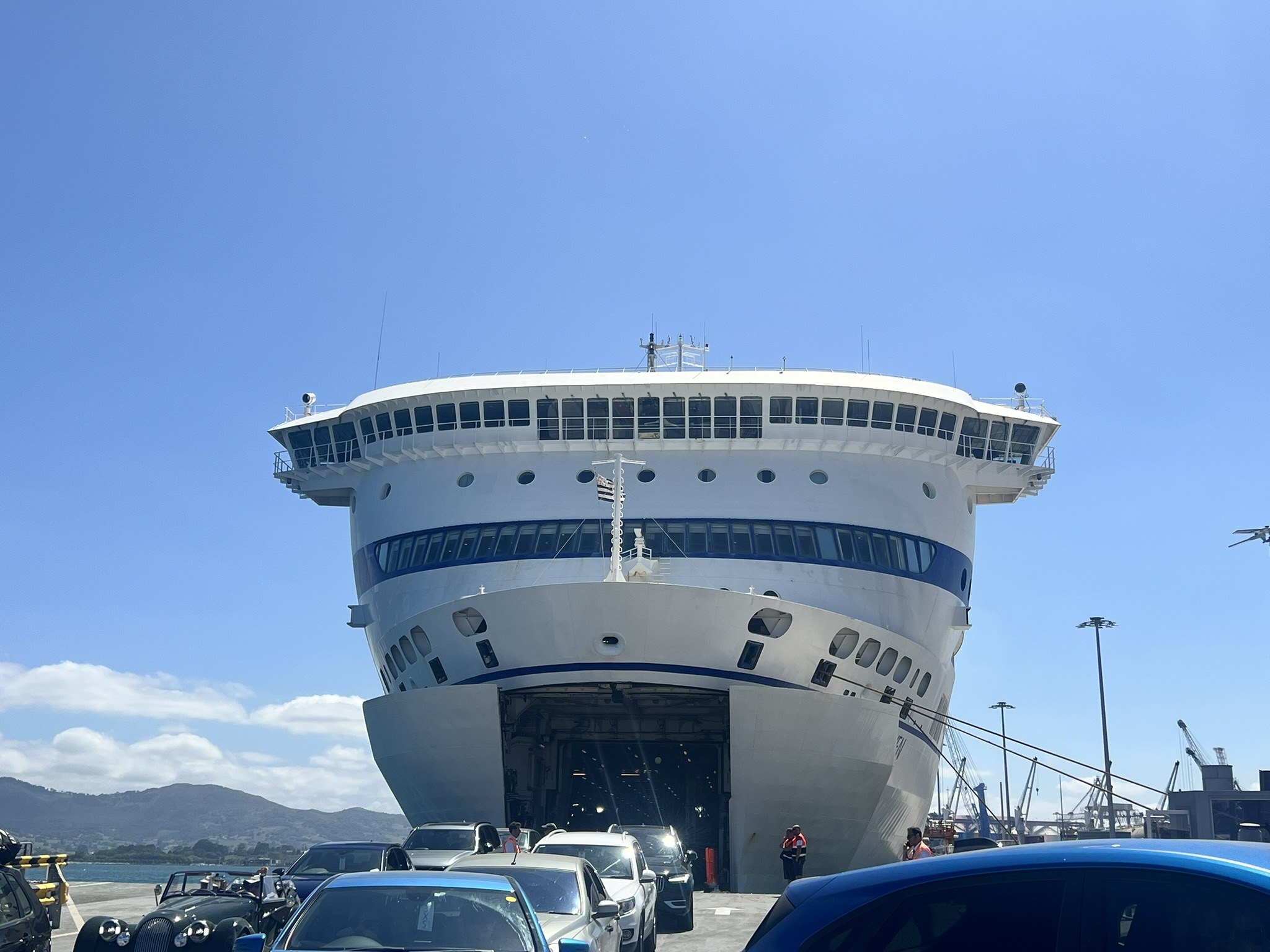




As a poor traveller on the sea, was there much to choose between ferries in size and stability etc?
we will be travelling from France to England in April. do you suggest we need to book for the P&O ferry – or can we purchase ticket on arrival on the day? thank you in advance Wendy from Australia
Hi Wendy,
We’d recommend buying your ticket in advance – it’s often cheaper with an early-bird discount, and the ticket offices can get quite busy as the season approaches.
If you’re not 100% set on your dates yet, a flexi ticket can be a good option. You’ll pay a bit more, but you get a lot more flexibility, and switching travel dates is usually straightforward.
Have a great trip!