



Holyhead–Dublin at a glance
- fast ferry from about 2 hours 15 minutes on the Dublin Swift
- cruise ferries usually around 3 hours 15 to 3 hours 30 minutes
- Irish Ferries and Stena Line
- main direct route from Wales to Dublin
- Fishguard–Rosslare and Pembroke–Rosslare are the main South Wales alternatives
Holyhead to Dublin ferry: the quickest direct route from Wales to Ireland
The Holyhead–Dublin ferry is the main direct crossing between Wales and Dublin. If your trip is aimed at Dublin, the east of Ireland, or a road trip starting near the Irish capital, this is usually the first route to check. The crossing is served by Irish Ferries and Stena Line, with a mix of large cruise ferries and the faster Dublin Swift catamaran from Irish Ferries.
We have sailed this route ourselves, both ways: out on the Dublin Swift fast ferry and back on a regular Stena Line ferry. That makes this page more than a timetable summary. It explains when the fast ferry is worth it, when a bigger cruise ferry is the safer choice, and when South Wales routes such as Fishguard–Rosslare or Pembroke–Rosslare make more sense.
- Crossing time: about 2 hours 15 minutes on Dublin Swift, usually around 3 hours 15 to 3 hours 30 minutes on cruise ferries
- Ferry operators: Irish Ferries and Stena Line
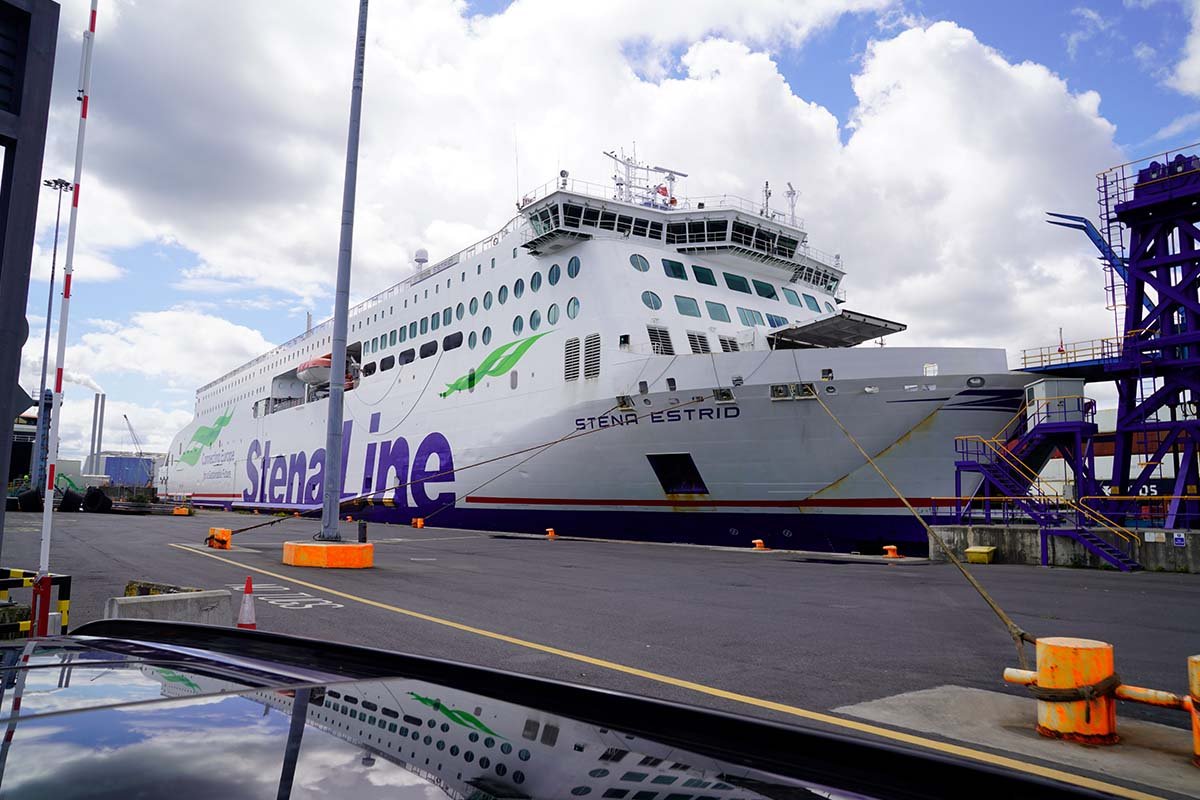
- Ships: Dublin Swift, Ulysses and James Joyce with Irish Ferries; Stena Adventurer and Stena Estrid with Stena Line
- Best for: cars, campervans, foot passengers, families, Dublin city breaks and onward driving in eastern Ireland
- Main South Wales alternatives: Fishguard–Rosslare and Pembroke–Rosslare
Our straightforward top picks
- If you want the fastest crossing: start with the Dublin Swift from Irish Ferries. It saves around an hour compared with the bigger ships, but it is seasonal and more weather-sensitive.
- If you want the most stable crossing: choose a cruise ferry. Stena Line and Irish Ferries both run large ferries on this route, with more space, better facilities and a steadier feel in rougher weather.
- If you are travelling with children: the bigger ferries are usually easier because there is more room to move around. On the Dublin Swift, the Club Lounge made the trip noticeably calmer for us.
- If you are starting in South Wales or the southwest of England: compare Fishguard–Rosslare and Pembroke–Rosslare as well. They are not Dublin routes, but they can save driving if your final destination is in the south or southeast of Ireland.
Map: ferry route from Holyhead to Dublin
The map shows the direct crossing from Holyhead on Anglesey to Dublin Port. This is the key Wales to Dublin route. If you are further south, the Rosslare routes from Fishguard and Pembroke are the practical alternatives, especially for the south and southeast of Ireland.
Compare Holyhead–Dublin options
The best option depends on how much you value speed, comfort, price and certainty. Use this table as a quick decision guide before checking live fares.
| Option | Best for | Watch out for | Ferrygogo verdict |
|---|---|---|---|
| Dublin Swift (Irish Ferries fast ferry) | Speed, short breaks and travellers who want the least time on the water | Seasonal, more weather-sensitive and livelier in rough seas | Our outbound choice: fast, clean and efficient, but not the calmest ship |
| Irish Ferries cruise ferry | Families, onboard space, facilities and a more relaxed crossing | Slower than the Dublin Swift | A safer all-round choice if comfort matters more than saving time |
| Stena Line cruise ferry | Steady crossings, modern ships and year-round reliability | Prices and exact ship allocation vary by sailing | Our return choice: calm, easy and a good default option |
| Fishguard–Rosslare or Pembroke–Rosslare | South Wales, the southwest of England and the south of Ireland | Not ideal if Dublin is your real destination | Worth comparing only when Rosslare works for your route |
Ferrygogo tested this crossing
We crossed Holyhead–Dublin on the Dublin Swift fast catamaran and returned on a Stena Line cruise ferry, comparing speed, comfort, boarding, facilities and how stable each crossing felt.
Read our Holyhead–Dublin trip report →Journey from Holyhead to Dublin on the Fast Dublin Swift Catamaran Ferry
On board the Holyhead to Dublin ferries
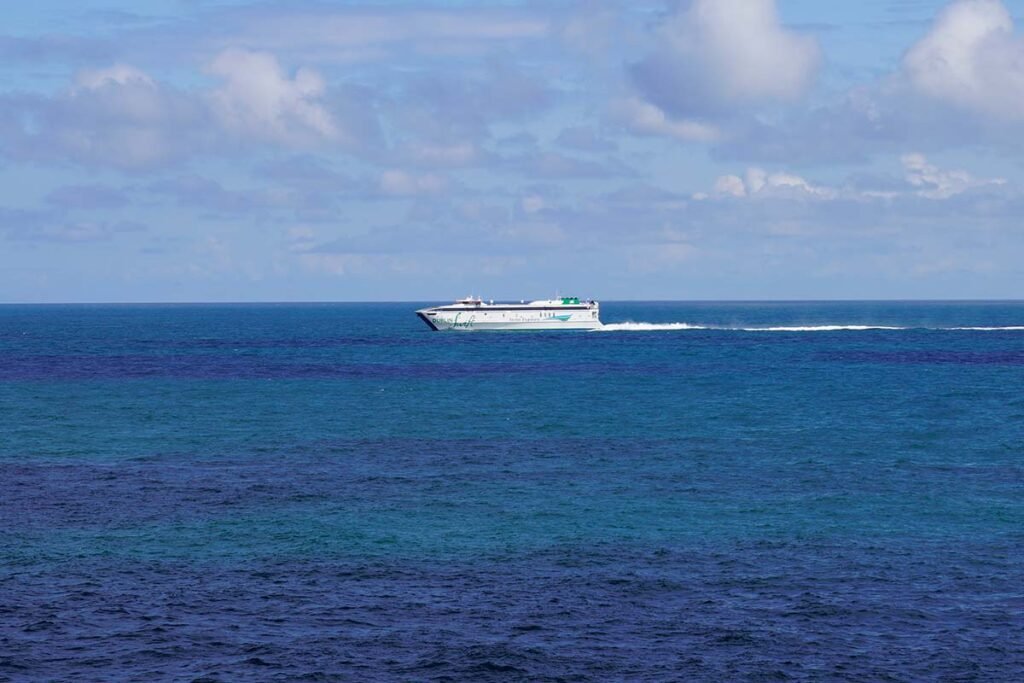
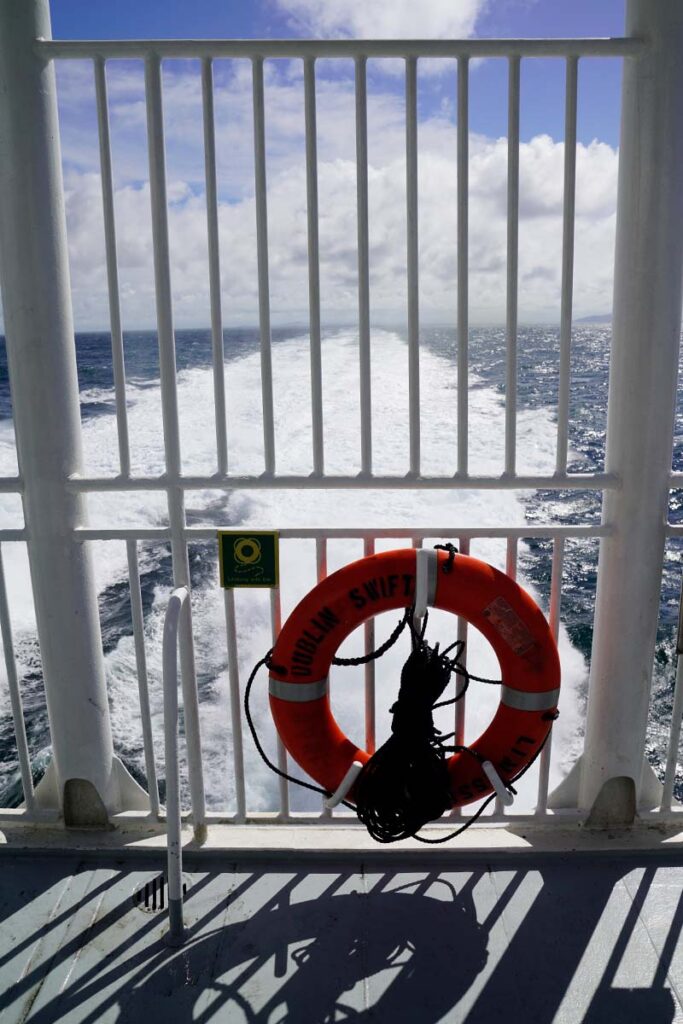
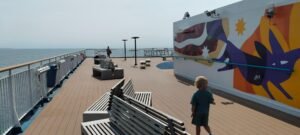
The two experiences are quite different. The Dublin Swift is built for speed: a fast catamaran that crosses the Irish Sea in about 135 minutes when conditions allow. When we sailed, boarding at Holyhead was straightforward, the car deck was easy to use, the interior felt clean and modern, and there were enough facilities for a short crossing, including a café, shop and seating areas.
The trade-off is movement. A fast catamaran can feel livelier than a large cruise ferry, especially on the Irish Sea. We enjoyed the speed, but if you are prone to seasickness or travelling in rougher weather, the bigger ferries from Stena Line or Irish Ferries are the safer, steadier choice.
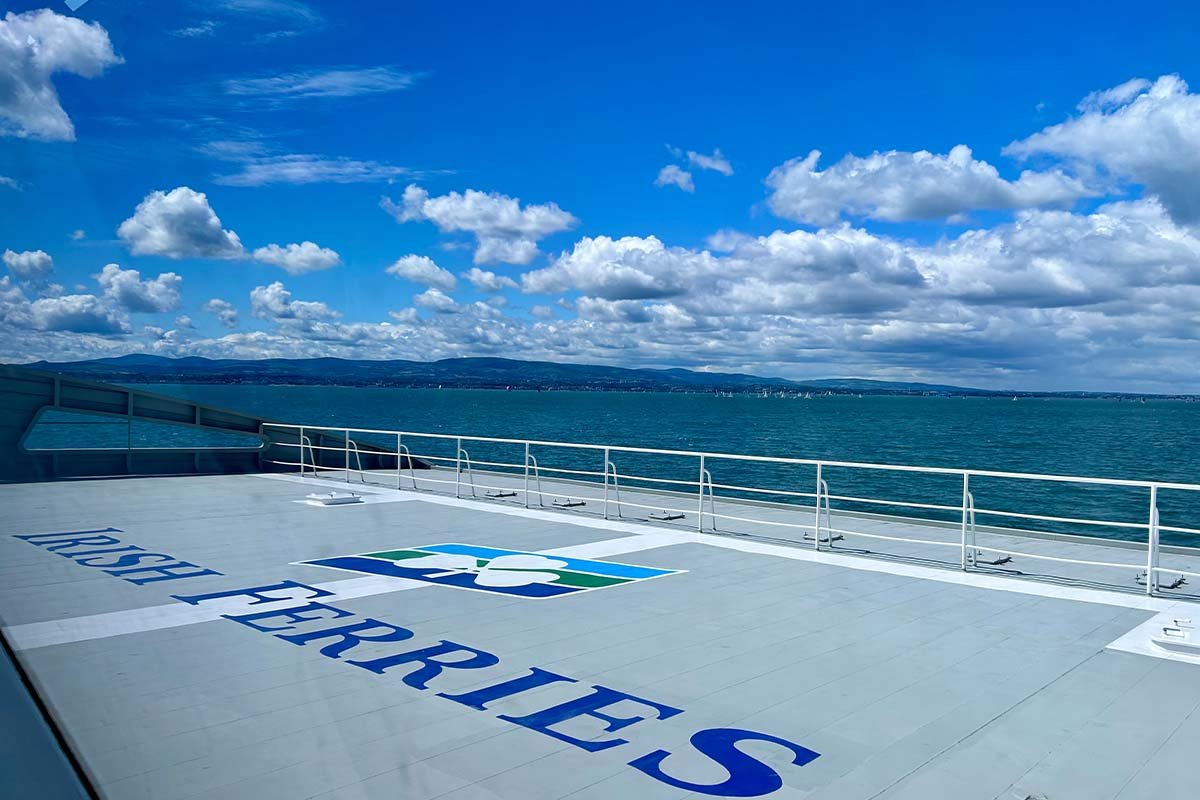
We also added Club Lounge access on the Dublin Swift. At the time of our trip it cost around £18 per person. It gave us priority boarding, a quieter lounge at the front of the ship, good views and a simple buffet with snacks and drinks. It was not empty, but it made the short crossing easier, especially with children. On the larger cruise ferries, you trade speed for more room, more onboard space and a calmer feel.
Holyhead port and boarding by car
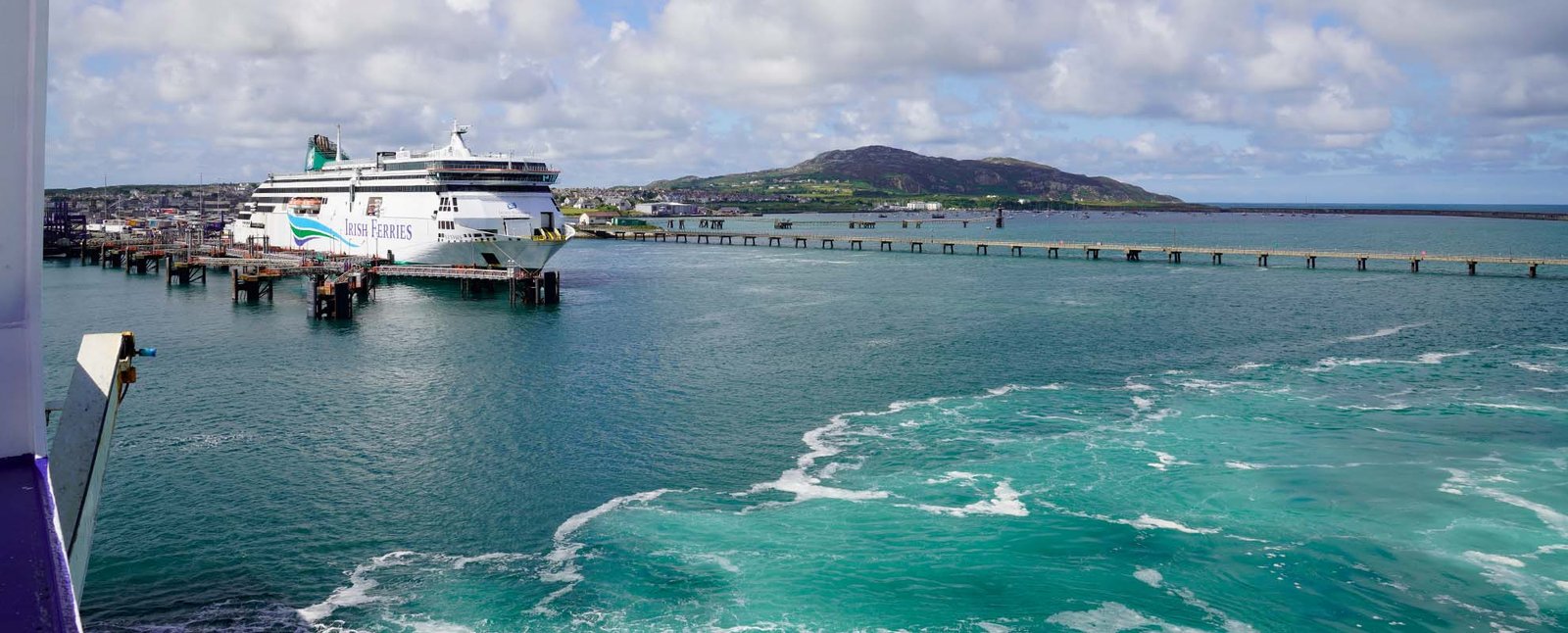
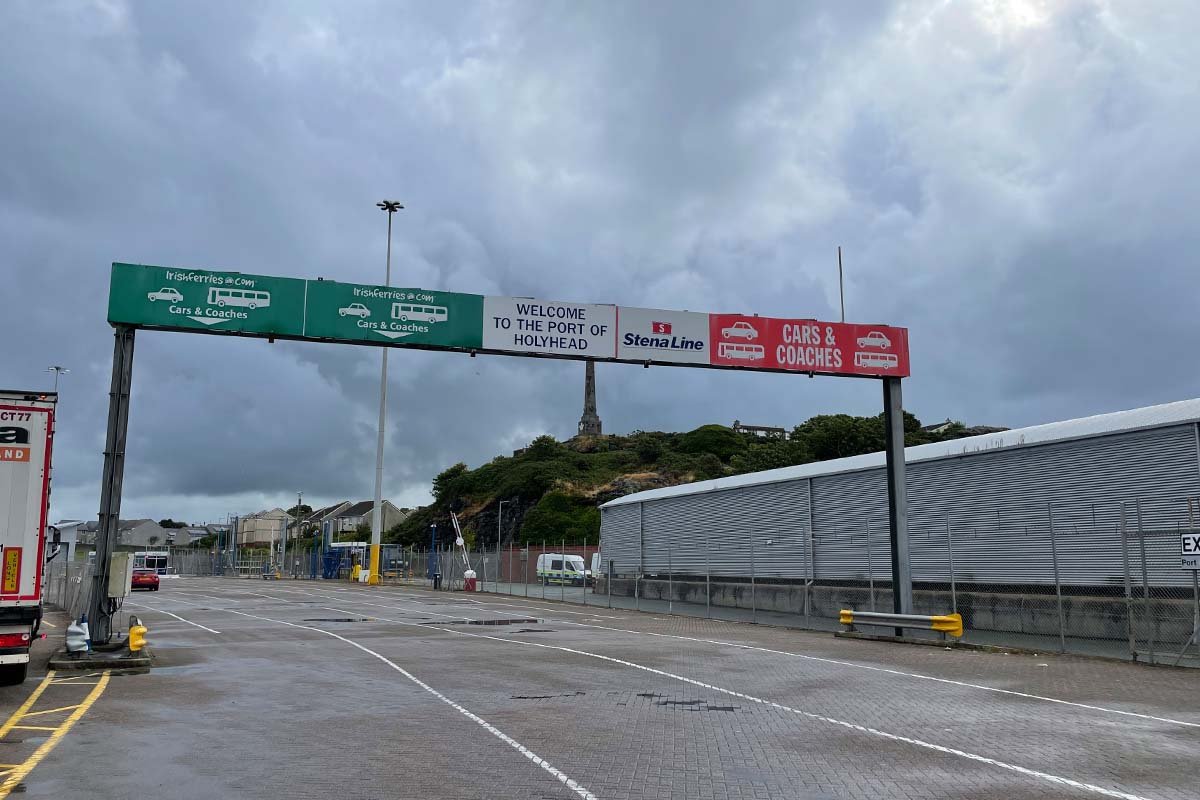
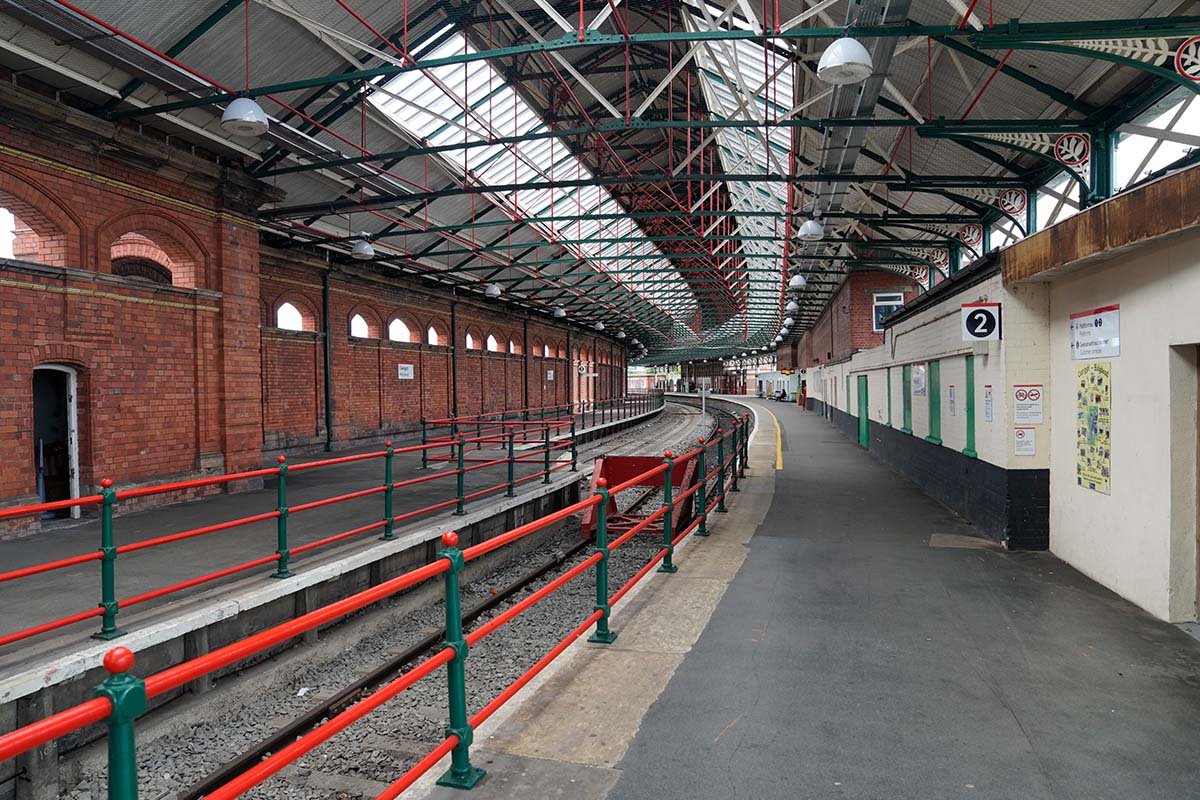
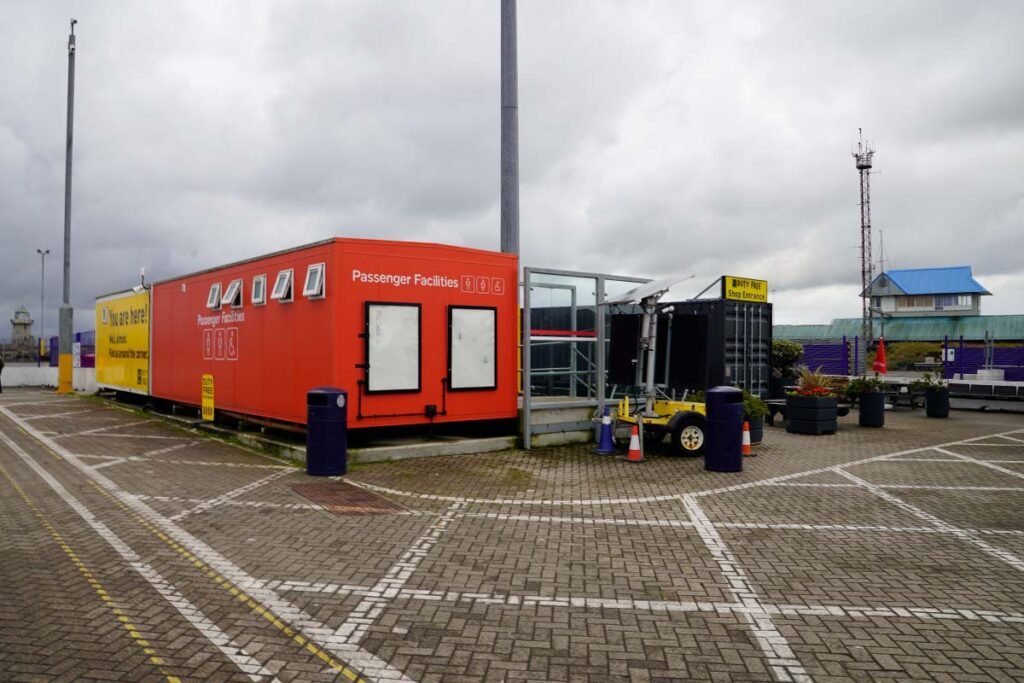
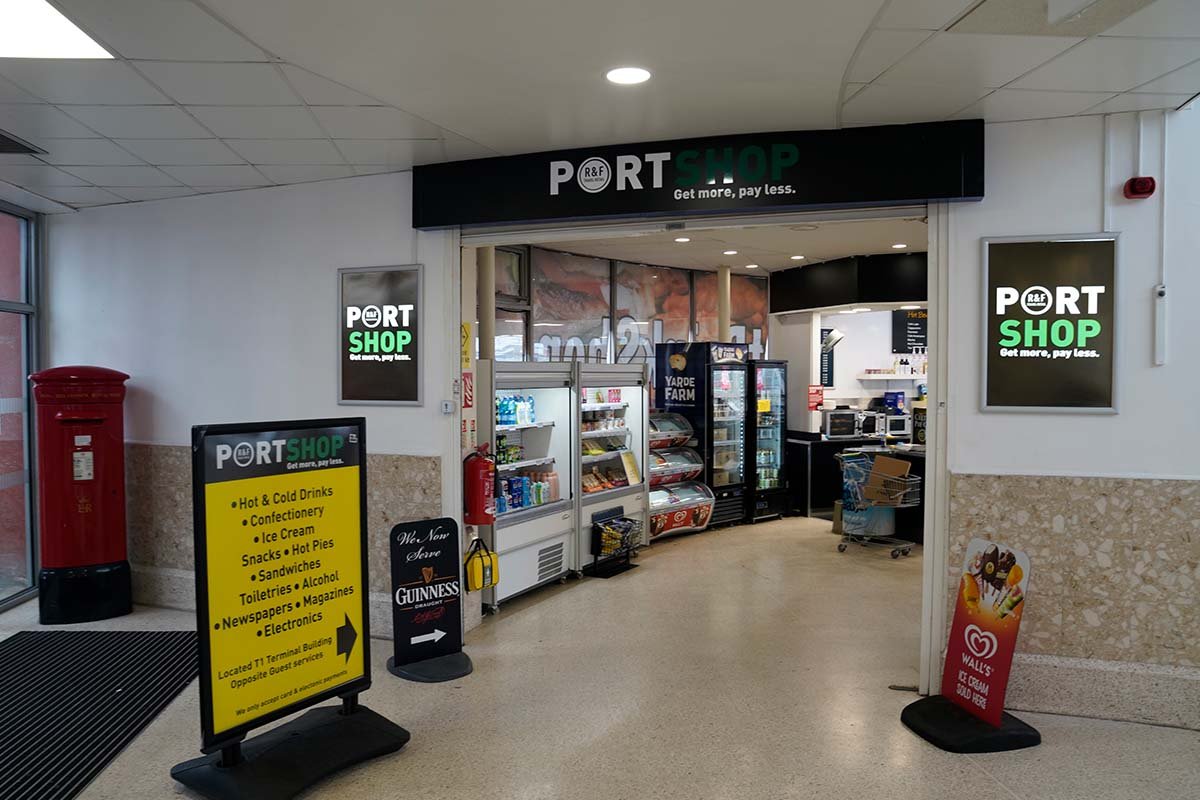
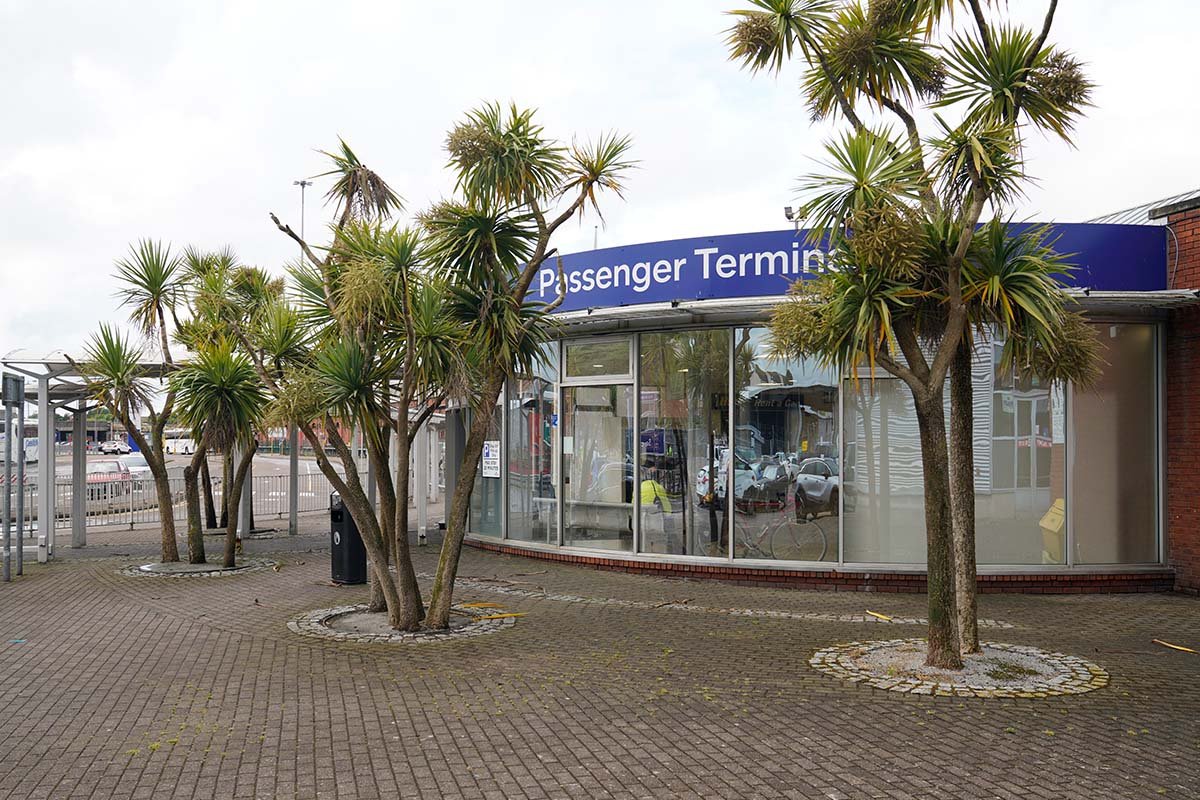
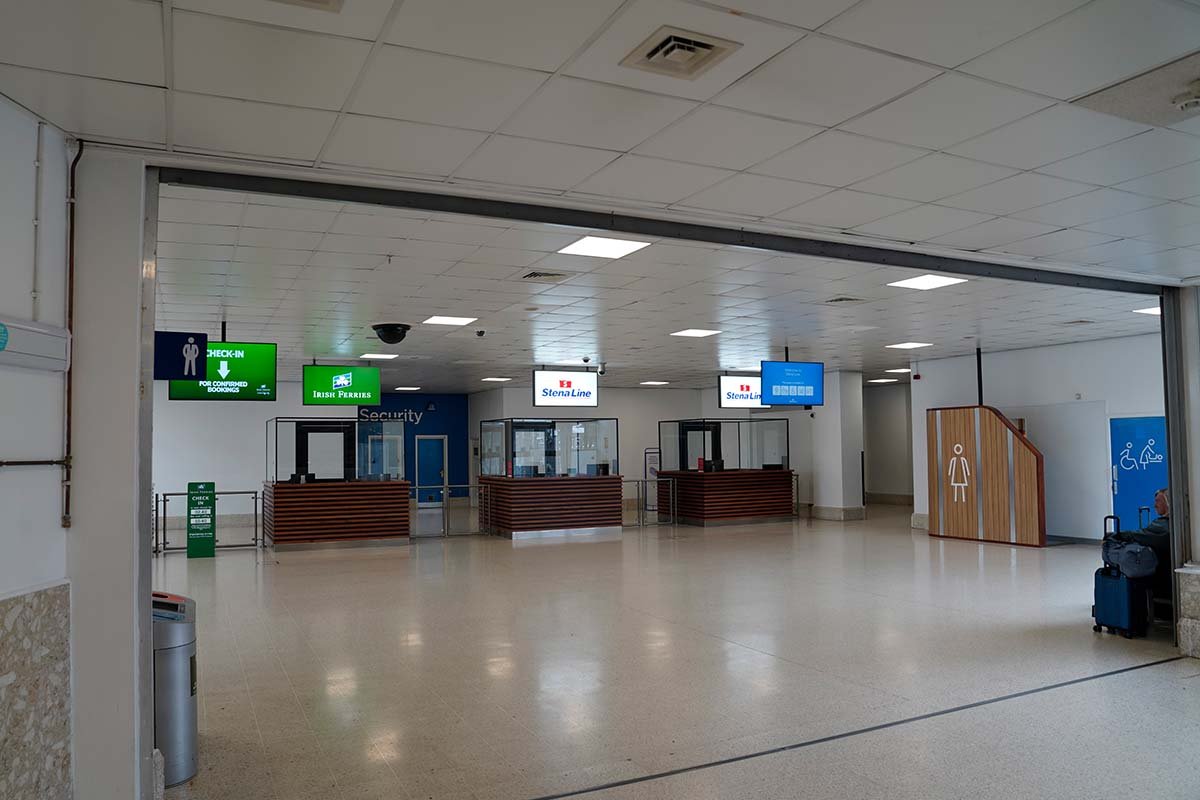
Holyhead is a compact and practical port. The train station is next to the terminal, and inside you will find the basic facilities you need before boarding: ticket desks, toilets, a small shop and food or drink options. If you travel by car, drive to the check-in area, collect the mirror hanger for your sailing, then follow the lanes towards customs and boarding.
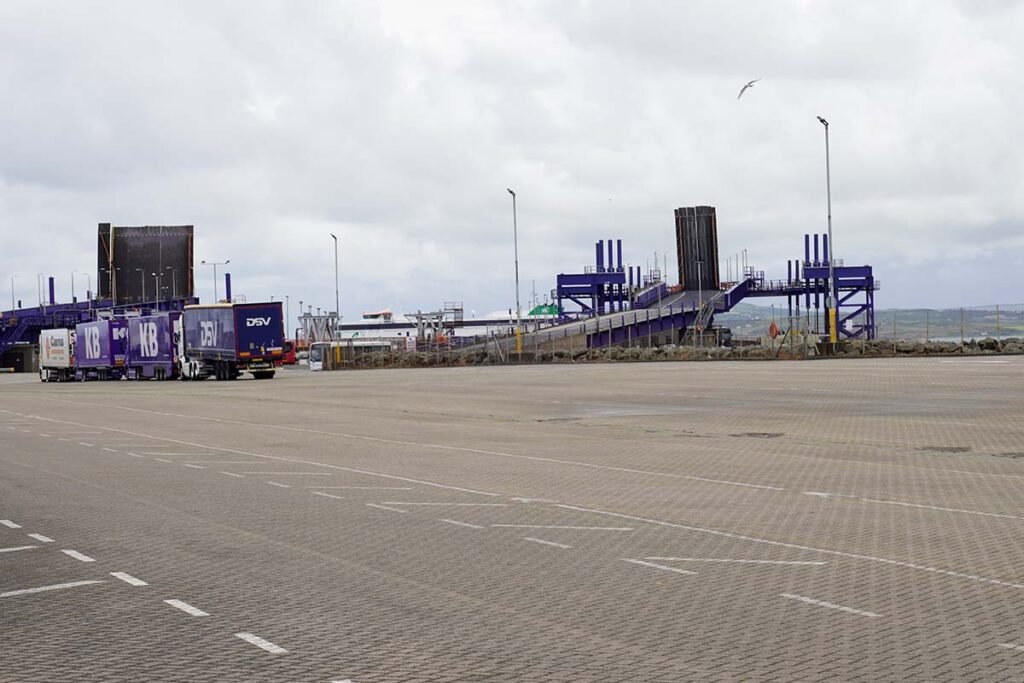
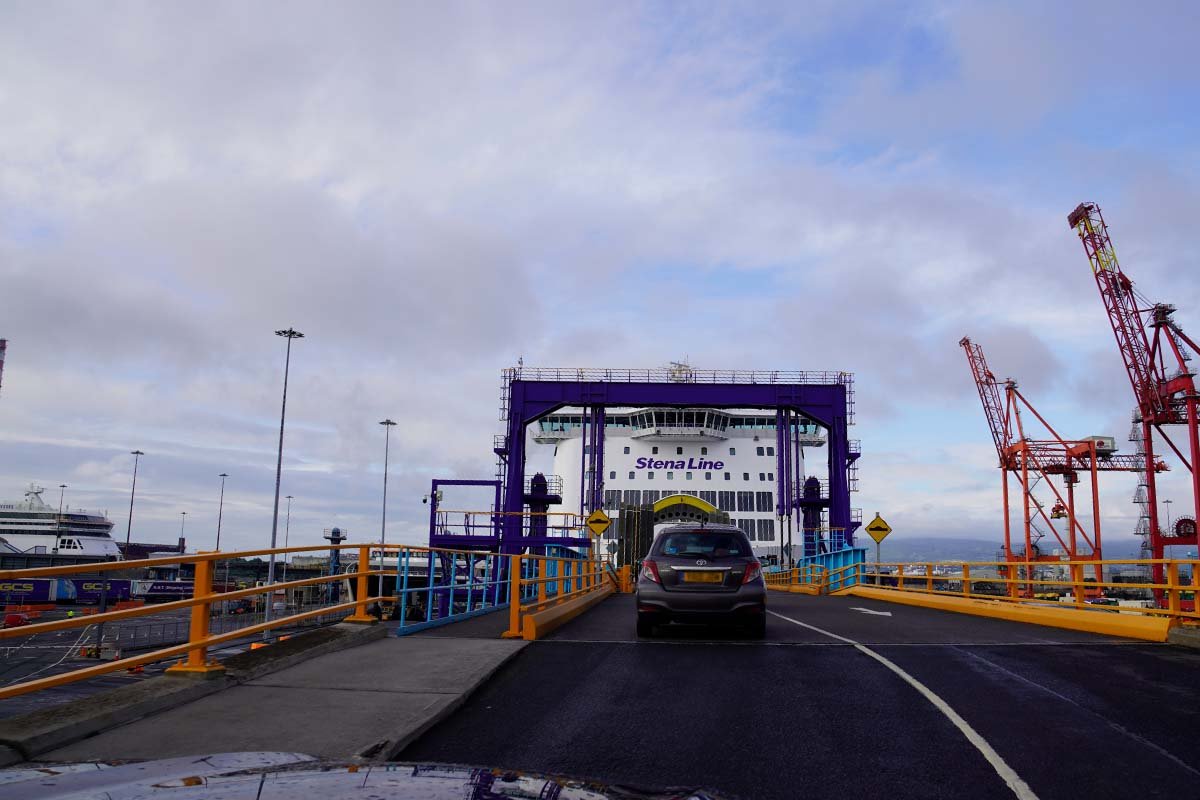
In our case, boarding the Dublin Swift was simple: after check-in and the vehicle checks, we waited in the lane until staff directed cars onto the ferry. It felt more straightforward than some larger continental ports, although you should still allow enough time for check-in, customs and any queues around busy sailings.
Returning from Dublin to Holyhead
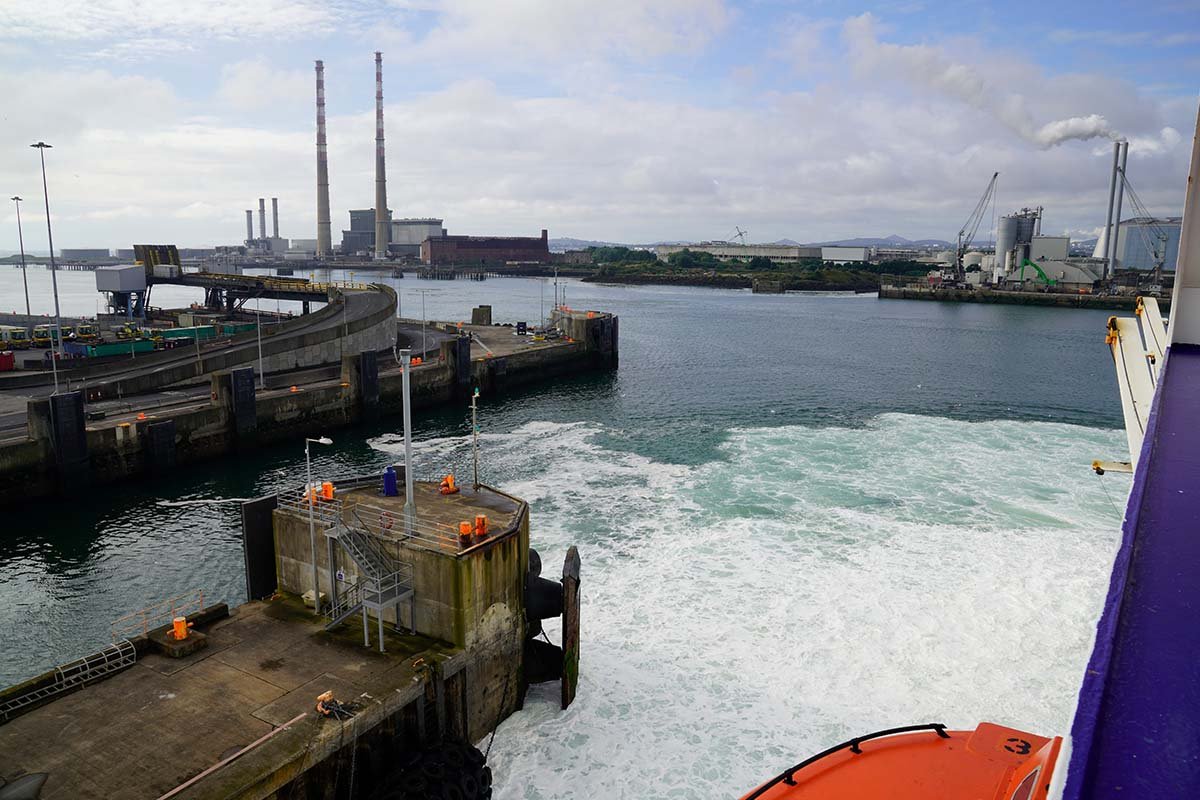
Dublin Port is much larger and busier than Holyhead. Follow the signs for your ferry operator and leave extra time for the final approach, especially around peak traffic or roadworks. On our return, we travelled with Stena Line. The experience felt steadier and more spacious than the fast ferry, which is exactly why the larger ships are often the better choice when comfort matters more than speed.
Must-knows before booking Holyhead to Dublin
- Dublin Swift is the fastest option: it takes about 2 hours 15 minutes, but it does not run in the same way all year and can be more affected by weather.
- Cruise ferries are the steadier option: choose Stena Line or an Irish Ferries cruise ferry if you prefer more space, more facilities and a calmer crossing.
- Foot passengers can use this route: Holyhead station is next to the port, making this one of the more practical ferry routes for travelling without a car.
- Cars, campervans and roof boxes: enter the correct vehicle height and length when booking. Bike racks, roof boxes and trailers can affect your fare and the lane you need.
- Travelling with pets: rules vary by operator and by whether you travel by car or as a foot passenger. Check the operator rules before booking and see our guide to travelling with pets on ferries.
- Seasickness: if you are sensitive to motion, choose a larger ferry and sit near the middle of the ship. See our guide to the best seats to avoid seasickness.
Travelling with young children? The route works well for families, but the ship choice matters. See our tips for travelling comfortably with children on the ferry.
Holyhead to Dublin timetable and frequency
Holyhead–Dublin is one of the busiest ferry routes on the Irish Sea. Stena Line normally operates multiple daily sailings with Stena Adventurer and Stena Estrid, while Irish Ferries runs regular cruise ferry departures and the Dublin Swift fast ferry on selected seasonal schedules.
Exact sailing times, ships and check-in deadlines vary by date, operator and season. Use live availability before booking rather than relying on a fixed timetable, especially if you want the Dublin Swift specifically. Your ticket is usually tied to a sailing, so missing it can mean extra cost or delay.
Routes that no longer sail: Fishguard–Dublin and Liverpool–Dublin
You may still see references to a Fishguard–Dublin ferry, or to Dublin sailings from the Liverpool area. These were temporary solutions during the Holyhead port disruption after Storm Darragh in winter 2024 to 2025. They were useful at the time, but they are not the normal route network.
Holyhead reopened in January 2025 and Holyhead–Dublin is again the main direct route from Wales to Dublin. If you are travelling from South Wales or the southwest of England, the permanent alternatives are Fishguard–Rosslare with Stena Line and Pembroke–Rosslare with Irish Ferries. For the full route picture, see ferries from Wales to Ireland.
Holyhead and Dublin port information
Holyhead ferry terminal
Both Irish Ferries and Stena Line use Holyhead Port. Navigate to Stena House, Station Street, Holyhead, LL65 1DQ, United Kingdom, then follow signs for your operator and the ferry terminal. The railway station is right beside the port, which makes this route unusually convenient for foot passengers.
Dublin ferry terminal
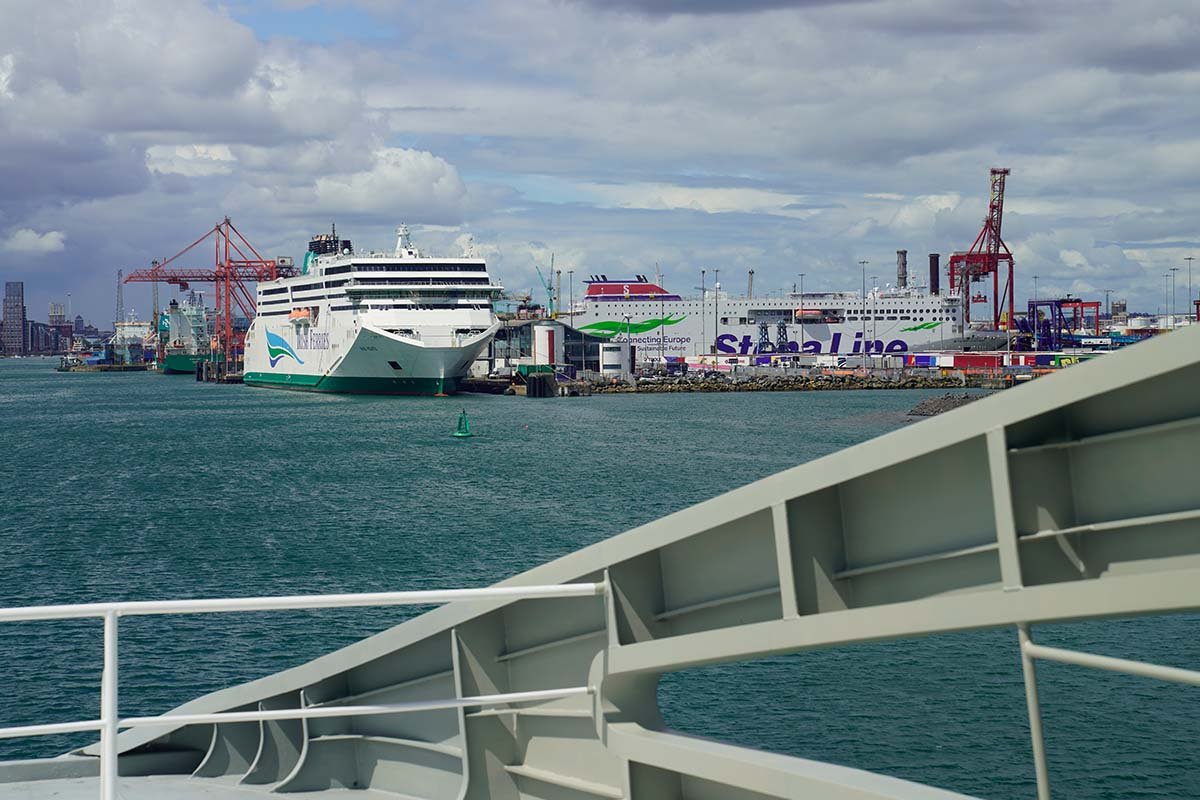
Dublin Port is larger and busier, with several ferry operators and freight traffic using the area. Follow the signs for your operator when you arrive and allow a little extra time for the final approach. Have passports, booking reference and any pet documents ready before check-in.
Dublin Swift, cruise ferry or a Rosslare crossing?
- Choose Dublin Swift if speed is your main priority and it is sailing on your date.
- Choose a cruise ferry if you want space, facilities, a steadier crossing or a more reliable year-round option.
- Choose Fishguard–Rosslare or Pembroke–Rosslare if South Wales, the southwest of England or the south of Ireland fits your journey better than Dublin.
For broader planning, see ferries from Wales to Ireland, ferries from the UK to Ireland and all ferry routes to Dublin.
Practical questions
How long is the ferry from Holyhead to Dublin?
The Dublin Swift fast ferry takes about 2 hours 15 minutes. The regular cruise ferries usually take around 3 hours 15 to 3 hours 30 minutes. Allow extra time for check-in, customs and boarding.
Which companies sail from Holyhead to Dublin?
Irish Ferries and Stena Line operate the route. Irish Ferries runs the Dublin Swift fast ferry and larger cruise ferries, while Stena Line operates Stena Adventurer and Stena Estrid.
Is the Dublin Swift worth it?
Yes, if saving time matters and conditions are suitable. We liked it as a fast, efficient crossing, especially with Club Lounge access. The downside is that it can sway more than a large ferry and is not the best choice if you are prone to seasickness.
Is Stena Line or Irish Ferries better on Holyhead–Dublin?
For speed, Irish Ferries has the advantage when the Dublin Swift is sailing. For a steadier, more spacious crossing, compare the larger ferries from both operators and choose by price, sailing time and ship.
Can I travel as a foot passenger?
Yes. Holyhead is one of the easier ferry ports for foot passengers because the railway station is next to the terminal. Check the latest boarding rules for your chosen operator before booking.
Is there still a Fishguard to Dublin ferry?
No. Fishguard–Dublin was a temporary route during the Holyhead disruption and is no longer a regular crossing. Use Holyhead–Dublin for Dublin, or Fishguard–Rosslare if you specifically want to sail from South Wales.