

Scandlines’ handy combi-tickets are a great way to cut the cost of your trip
About the Helsingør–Helsingborg ferry
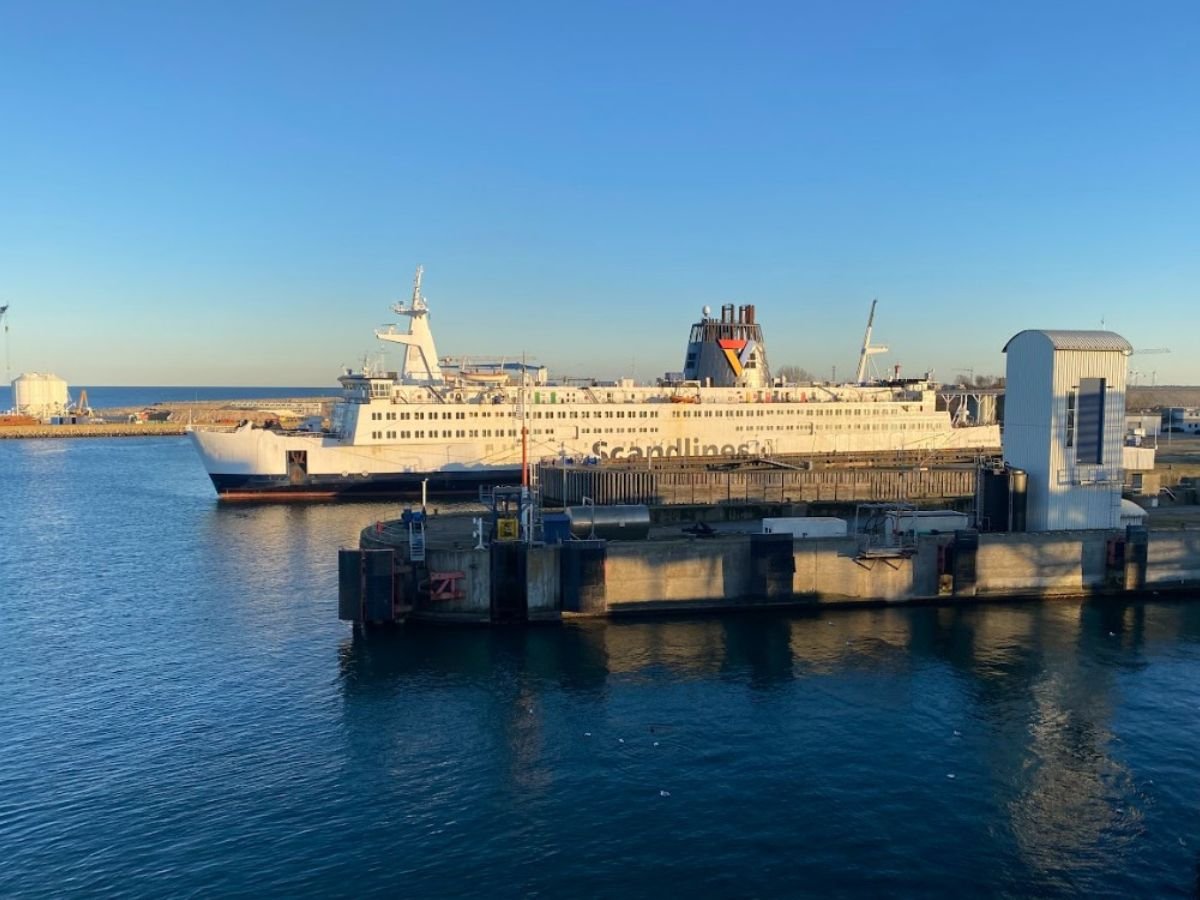
The Helsingør–Helsingborg ferry is the shortest crossing between Denmark and Sweden. It takes around 20 minutes and feels more like a quick break in the drive than a full ferry journey: you roll on, step out for a short look from deck, and arrive on the other side before long.
This route is especially useful if you are heading towards Helsingborg, Gothenburg, the west coast of Sweden or further north. The Øresund Bridge is usually the most direct option for Malmö and southern Sweden, but Helsingør–Helsingborg can fit better if your route points further up the Swedish coast.
Price is another reason travellers compare the two. The ferry can work out cheaper than the bridge depending on your vehicle, ticket type and travel date, but the best choice is not only about the fare. Look at where you enter Sweden, how much you want to drive, and whether you would rather keep moving on the road or take a short ferry break.
If you are driving up from Germany, Helsingør–Helsingborg also pairs naturally with the Puttgarden–Rødby ferry. That combination brings you into Denmark by ferry first, then lets you choose between the bridge near Copenhagen or this short crossing further north.
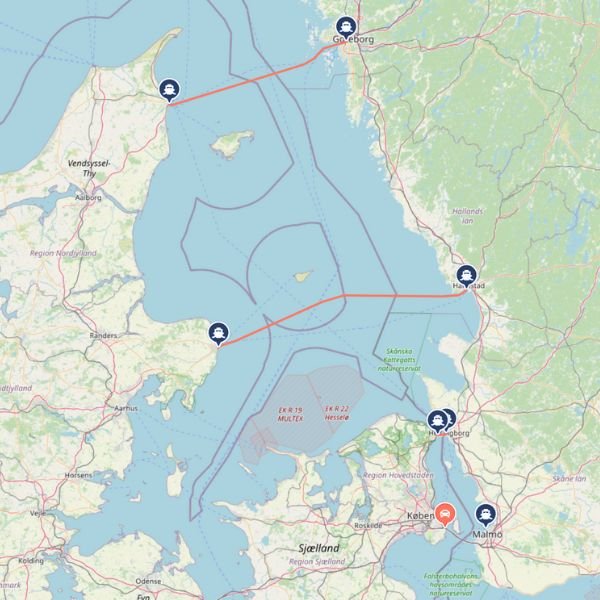
Map: crossing between Helsingor and Helsingborg, the alternatives and best routes
Ferrygogo sailed this route
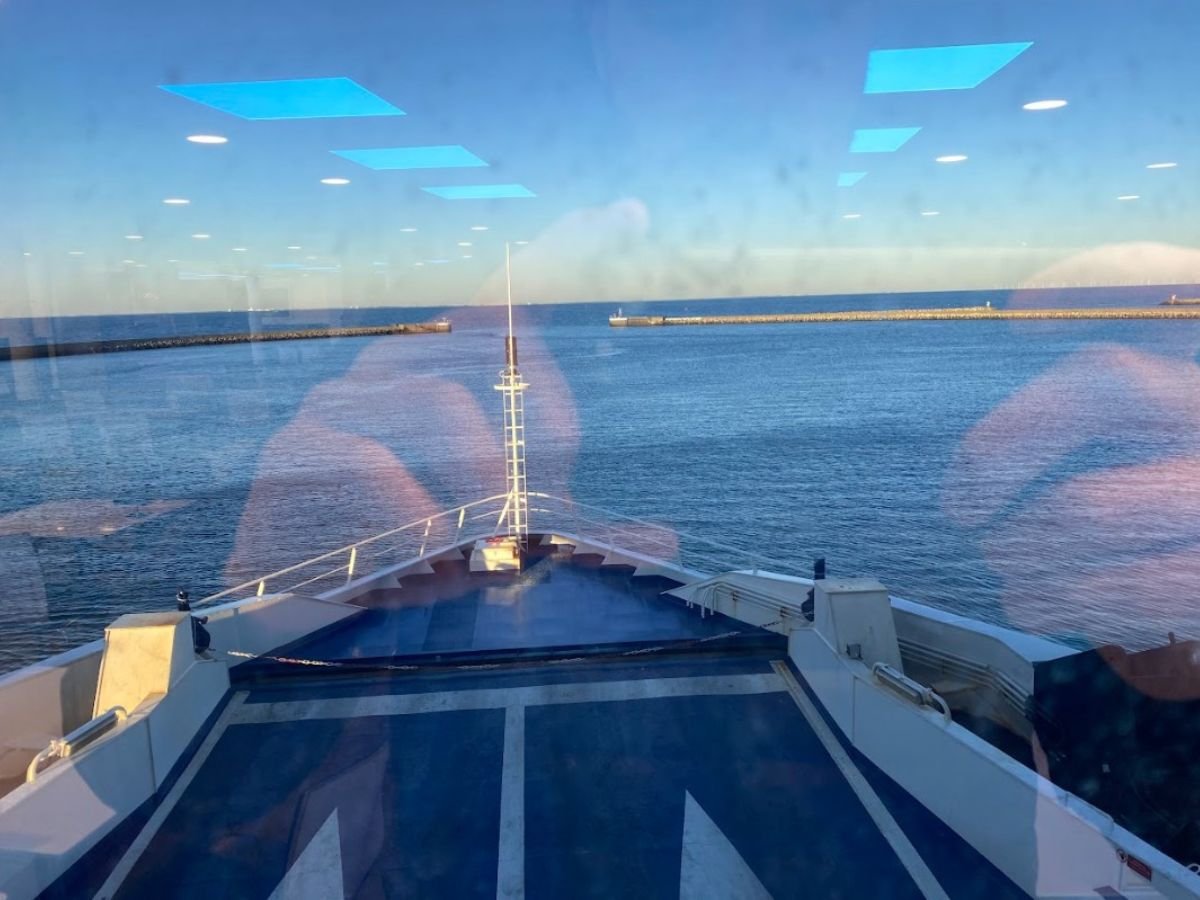
We did the Denmark–Sweden crossing and back — a short hop but one worth knowing about. Here's what the experience is actually like.
Read our first-hand experience →The ferry from Helsingør to Helsingborg
The Helsingør–Helsingborg ferry sits north of the Øresund Bridge on the route map. It links Zealand in Denmark with the Swedish city of Helsingborg over a very short stretch of water. Because the crossing is so brief, the main value is not the onboard experience itself, but the way it changes your driving route.
If you are heading for Malmö, the Øresund Bridge is usually the more direct option. If you are heading for Helsingborg, Gothenburg, the Swedish west coast or further north, this ferry can be the more logical crossing point. It gives you a short pause and brings you into Sweden further up the coast.
Getting to Zealand before crossing to Sweden
To use either the Helsingør–Helsingborg ferry or the Øresund Bridge, you first need to reach the Danish island of Zealand, also known as Sjælland. For drivers coming from Germany or mainland Denmark, there are two main ways to do that.
- Drive across Denmark’s toll bridges. You can cross via the Little Belt Bridge and the Great Belt Bridge, which connect mainland Denmark with Zealand.
- Shorten the road route with a ferry. The Puttgarden–Rødby ferry brings you from Germany directly onto the Danish islands, which can make the route towards Copenhagen, Helsingør and Sweden feel more efficient.
That is why the best route often depends on your full itinerary. Puttgarden–Rødby plus Helsingør–Helsingborg can be a good fit if you want two short ferry breaks and are heading further north in Sweden. Puttgarden–Rødby plus the Øresund Bridge is usually more direct if Malmö or southern Sweden is your target.
Crossings to Sweden + the nearby bridge
The Puttgarden-Rødby ferry is the recommended way to reach the departure port of Helsingør. Alternatively, you can book the route to Sweden via the Øresund Bridge at a discounted rate through Scandlines.
Puttgarden-Rødby + Sontbridge combiticket
Puttgarden-Rødby + Helsingor-Helsingborg combiticket
Step by step to Sweden
Planning Your Trip to Sweden? Here’s What You Need to Know!
The Helsingør–Helsingborg Ferry
- Location: The ferry departs from Helsingør, just north of Copenhagen.
- Duration: The crossing to Sweden takes only 20 minutes.
- Schedule: Ferries operate 24/7 with at least 50 departures daily.
- Cost: A regular car costs 199 DKK (approximately £20.30), making it cheaper than the Øresund Bridge (455 DKK, approx. £46.41).
- Convenience: Arrive at the port 15 minutes before departure to ensure a smooth journey.
Travelling to Denmark via the Netherlands
For most travellers from Britain, the first step is reaching the Netherlands. This can be done using one of these three ferry routes:
While travelling via France is an option, the Netherlands routes are generally shorter and more convenient. From the Netherlands, you can continue your journey to Germany or Denmark.
Ferry Routes to Helsingør
- Cost: From £42.
- Route: This ferry takes you from Germany to Lolland, connected to Zealand by bridges.
- Recommendation: This is the most popular and straightforward route, saving time and avoiding long detours. From Zealand, you can take the economical Helsingør–Helsingborg ferry or the Øresund Bridge.
- Considerations: Involves a longer drive and crossing, making it less convenient for most British travellers.
Driving through Denmark:
- Route: Drive via Hamburg and Kolding towards Copenhagen.
- Cost: Includes a toll for the Great Belt Bridge (Storebæltsbroen), priced at £29 for cars.
- Drawback: This option involves a much longer drive.
Why Choose the Ferry Over the Bridge?
- Cost: The ferry is significantly cheaper than the bridge.
- Flexibility: Multiple travel options allow you to tailor your journey.
- Convenience: Shorter driving routes and frequent ferry departures make it an ideal choice.
By carefully planning your route, you can enjoy a smooth and affordable trip to Sweden!
Puttgarden–Rødby and Onwards to Sweden
If you opt for the Puttgarden–Rødby route, Scandlines offers combination tickets that simplify your journey. We've researched prices and found the most economical options for travellers heading to Sweden.
The Two Cheapest Options
1. Puttgarden–Rødby + Helsingør–Helsingborg
- Puttgarden–Rødby: Book separately with Scandlines (from £43).
- Helsingør–Helsingborg: Book with Oresundslinjen (from £23).
- Total Cost: £66.
2. Puttgarden–Rødby + Øresund Bridge
- For both crossings, book a combination ticket through Scandlines (£79.50).
- Time-Saving: Save approximately 35 to 45 minutes compared to the ferry option.
Travelling with Motorhomes or Caravans
For motorhomes or caravans, the same advice applies. However, the price difference is minimal (£11 on a total of £205), so we recommend the combination ticket with the Øresund Bridge for added convenience.
Additional Tips and Facts
-
Travelling to Gothenburg or Jönköping?
- The ferry route is the ideal option for these destinations.
-
Helsingør or Elsinore?
- Don't be confused—Elsinore is the English name for Helsingør. Both refer to the same place.
-
Fully Electric Ferry:
- The Helsingør–Helsingborg ferry is one of the few fully electric ferries, making it an eco-friendly choice.
-
Visit Kronborg Castle:
- Located near the departure port in Helsingør, Kronborg Castle is worth visiting. You can skip a few ferries to explore this historic site.
-
Operator Details:
- Forsea previously operated the Helsingør–Helsingborg crossing. While the website forseaferries.com is still in use, it now redirects to the ØresundsLinjen brand.
With these insights, you can plan an efficient and enjoyable journey to Sweden!
On board
Additional Information
When travelling on crossings from the UK to the continent, there are a few important things to keep in mind:
- Bring your passport: Since Brexit, a driver's licence or ID card is no longer sufficient for travel.
- Download entertainment in advance: On longer night crossings, it’s a good idea to download series or movies beforehand, as Wi-Fi on board can be expensive, and roaming in international waters is costly.
- Foot passengers: Not all ferries accept foot passengers, so check ahead.
- Travelling with young kids on a night ferry? We’ve got some helpful tips for travelling with kids here.
- Remember to drive on the right-hand side of the road after disembarking. It can be confusing for the first 10 minutes, but you'll adjust quickly.
- Worried about getting seasick? In this article, you’ll find some tips to help prevent it.
Luggage & Pets
On most ferries, there are no restrictions on the amount of luggage you can reasonably bring. Pets are allowed, but additional fees apply, and they must stay in designated kennels on board. For some destinations, like for example France, pets must meet specific requirements, such as certain vaccinations and a pet passport. You can find country-specific regulations and company policies in this post.