



Ferry to Sweden from the UK: no direct ferry, but three sensible routes
There is no direct passenger ferry from the UK to Sweden. The useful question is therefore not ‘which UK-Sweden ferry should I book?’, but which combination of ferry and driving gives you the best journey to your part of Sweden.
For Gothenburg and western Sweden, we would usually compare a ferry from the UK to the Netherlands followed by the overnight Kiel-Gothenburg ferry. For Malmö and southern Sweden, driving through Germany and Denmark via Puttgarden-Rødby and the Øresund Bridge is the more direct road-trip corridor. For Helsingborg and destinations further up the west coast, the short Helsingør-Helsingborg ferry is a very useful alternative to the bridge.
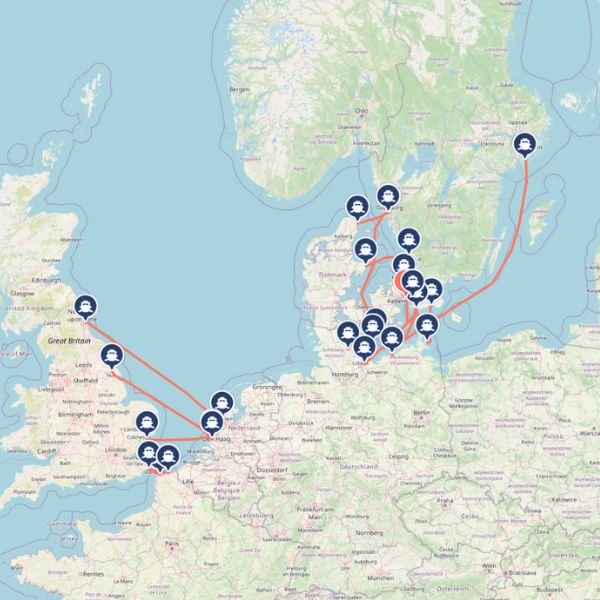
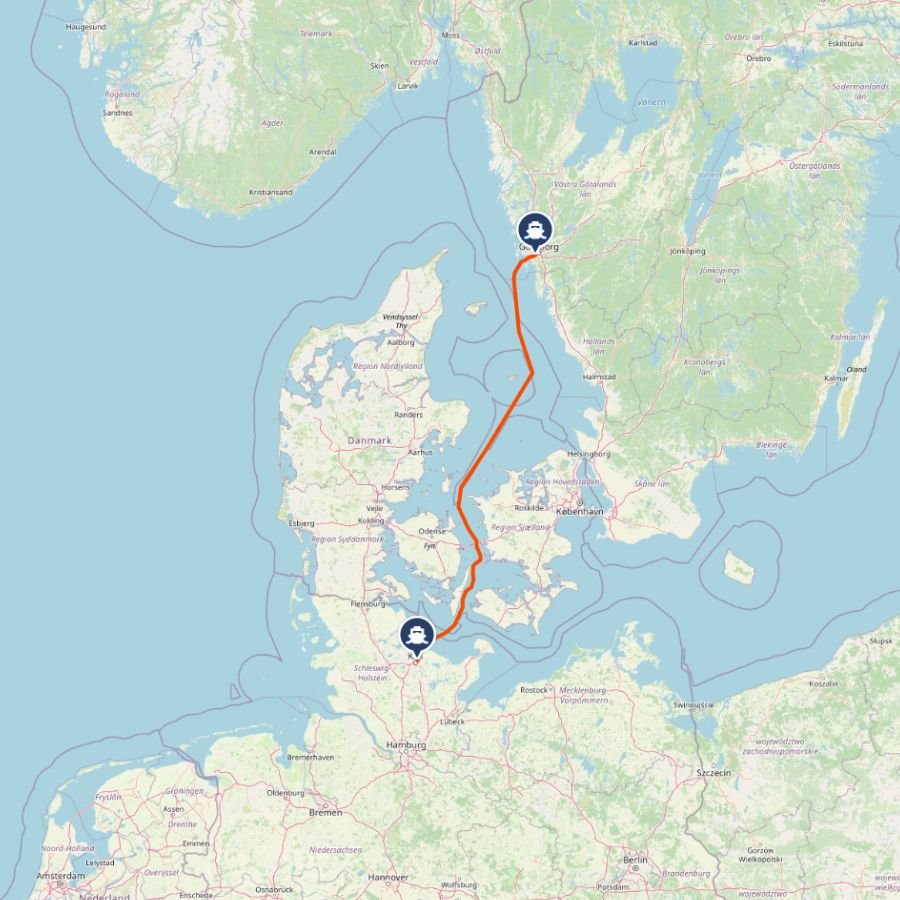
Map: ferry routes from the UK to Sweden
Which route from the UK to Sweden should you choose?
There are three routes we would put on the shortlist. The best one changes with your Swedish destination and how much driving you want to do.
| Destination / priority | Route we would compare first | Why |
|---|---|---|
| Gothenburg / western Sweden | UK-Netherlands + Kiel-Gothenburg | Two substantial ferry legs turn a lot of road time into rest. Particularly attractive if you prefer cabins and less driving. |
| Malmö / Skåne | UK-France or Netherlands + Puttgarden-Rødby + Øresund Bridge | The most natural road corridor into southern Sweden, especially if Copenhagen is useful on your route. |
| Helsingborg / west coast north of Malmö | Puttgarden-Rødby + Helsingør-Helsingborg | The 20-minute ferry avoids dropping as far south as Malmö just to enter Sweden. |
| Stockholm | Compare entry via Gothenburg with entry via Malmö | Neither gets you close to Stockholm. The real choice is a more restful ferry-heavy journey versus more driving through Denmark and southern Sweden. |
| Minimum driving / family comfort | UK-Netherlands + Kiel-Gothenburg | Usually the route we would investigate first if comfort matters more than minimising ferry time. |
| South East England / quickest first crossing | Dover-Calais, Dover-Dunkirk or LeShuttle, then Germany-Denmark | Gets you onto the Continent quickly, but leaves a long road journey afterwards. |
Do the sums for the complete journey. Fuel, tolls, cabins or hotels and the value of arriving rested can matter more than the headline ferry fare.
Our ferry adventure: the shortcut to Denmark and Sweden!
The routes in short
-
Gothenburg: UK-Netherlands + Kiel-Gothenburg is our comfort-first option.
-
Malmö: Puttgarden-Rødby + the Øresund Bridge is the natural road-trip route.
-
Helsingborg: use the short Helsingør-Helsingborg ferry rather than automatically following the bridge route.
-
Halmstad-Grenaa: no longer an option. Stena Line discontinued the route after 30 April 2026.
Step 1: choose the right ferry out of the UK
Your first crossing determines how fresh you are when the long mainland drive begins. We would not automatically choose Dover simply because the Channel crossing is short.
From London, East Anglia and much of the South East, Harwich-Hook of Holland is particularly useful because you arrive in the Netherlands with northern Germany ahead of you. From Yorkshire, the Midlands and northern England, Hull-Rotterdam can save a lot of UK driving. From northern England and Scotland, Newcastle-Amsterdam deserves a serious look.
Dover-Calais, Dover-Dunkirk and LeShuttle remain strong choices if Dover is convenient and you are happy with a road-heavy trip. They get you across the Channel quickly, but they do not make Sweden close: there is still a substantial drive through Belgium, Germany and Denmark.
UK-Netherlands ferries: the option we would not overlook
For a long drive to Sweden, an overnight North Sea ferry can be useful rather than simply slower. You eat, sleep and cover distance while the car is parked.
- Harwich-Hook of Holland: particularly logical for southern and eastern England. We have travelled this route by car and also tested the Rail & Sail journey from London.
- Hull-Rotterdam: a good geographic fit from Yorkshire, the Midlands and parts of northern England. See our first-hand Hull-Rotterdam review.
- Newcastle-Amsterdam: particularly relevant from northern England and Scotland. We have also sailed this route ourselves.
The point is not that a Netherlands ferry is always fastest or cheapest. It is that it can make the next day’s drive much more realistic.
Step 2: choose Germany or Denmark
Once on the Continent, the route splits. For Gothenburg and western Sweden, head towards northern Germany and compare a direct Germany-Sweden ferry. For Malmö and southern Sweden, continue towards Denmark.
Via Germany: Kiel-Gothenburg is the obvious comfort option for Gothenburg. Other Germany-Sweden ferries from ports such as Travemünde and Rostock can suit southern Sweden, depending on your final destination and sailing date.
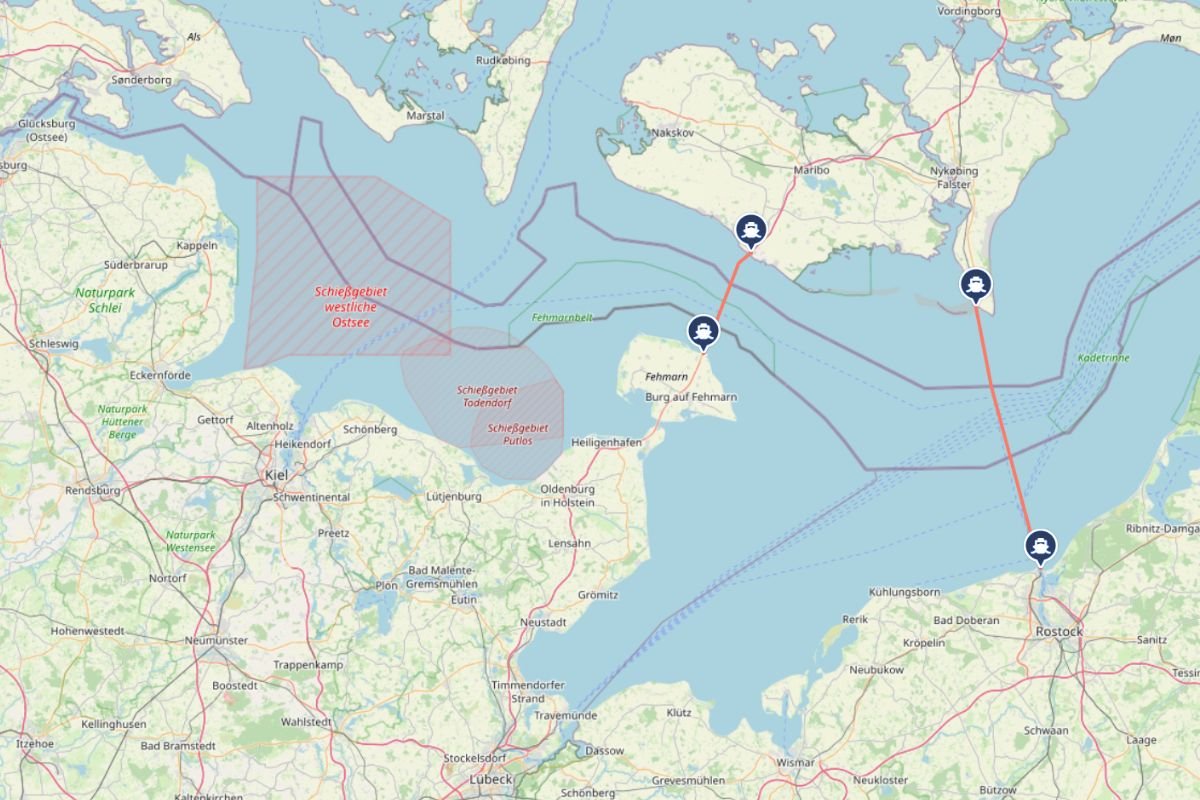
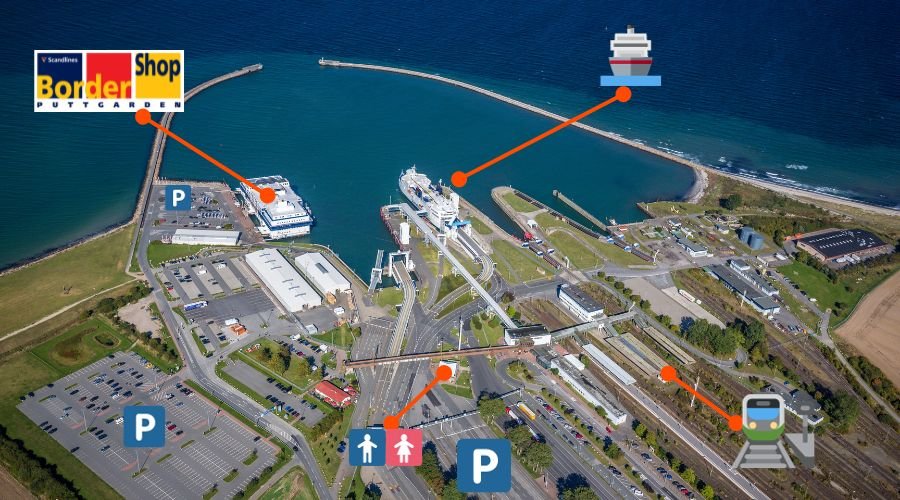
Via Denmark: the Puttgarden-Rødby ferry cuts across the Fehmarn Belt. From Zealand you then choose between the Øresund Bridge and Helsingør-Helsingborg.
Option 1: UK-Netherlands and Kiel-Gothenburg
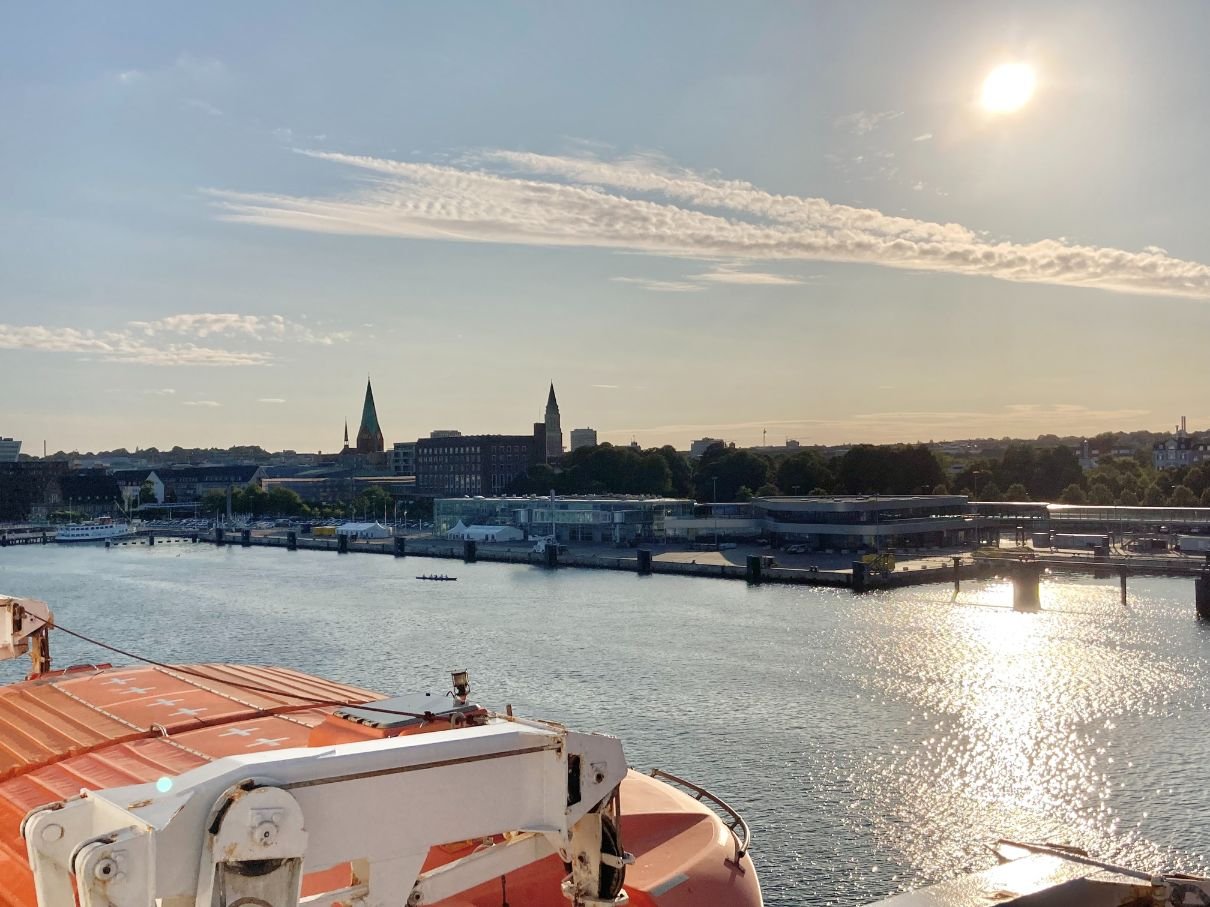
This is the route we would compare first for Gothenburg and much of western Sweden. Take an overnight ferry from the UK to the Netherlands, drive across northern Germany to Kiel and board Stena Line for Gothenburg.
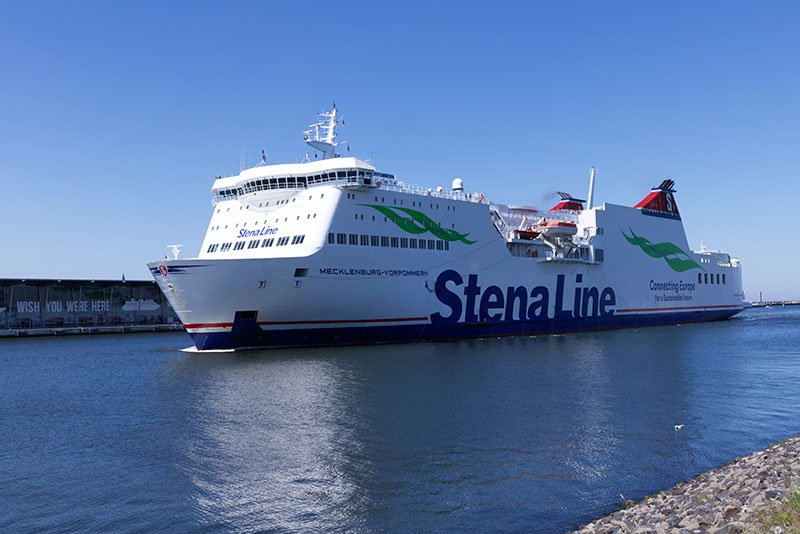
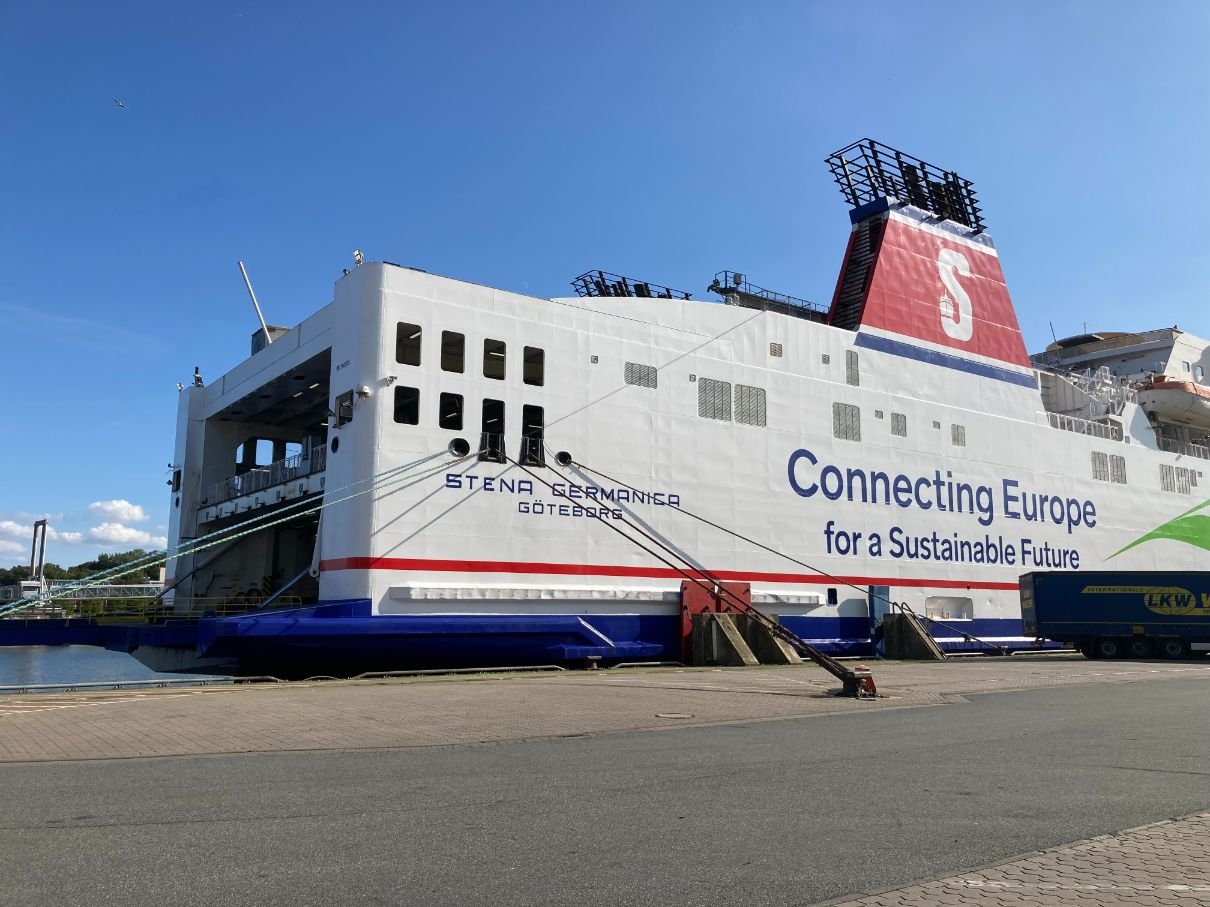
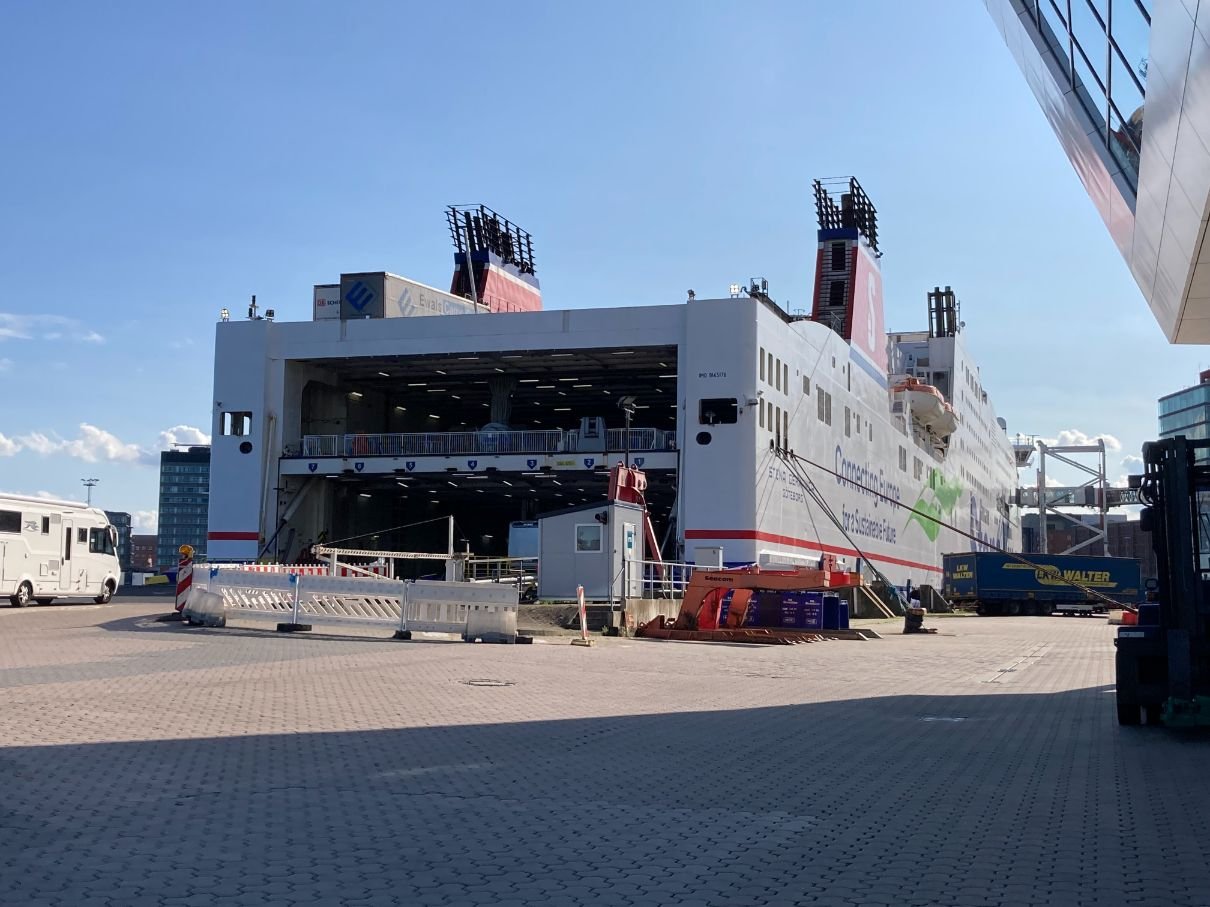
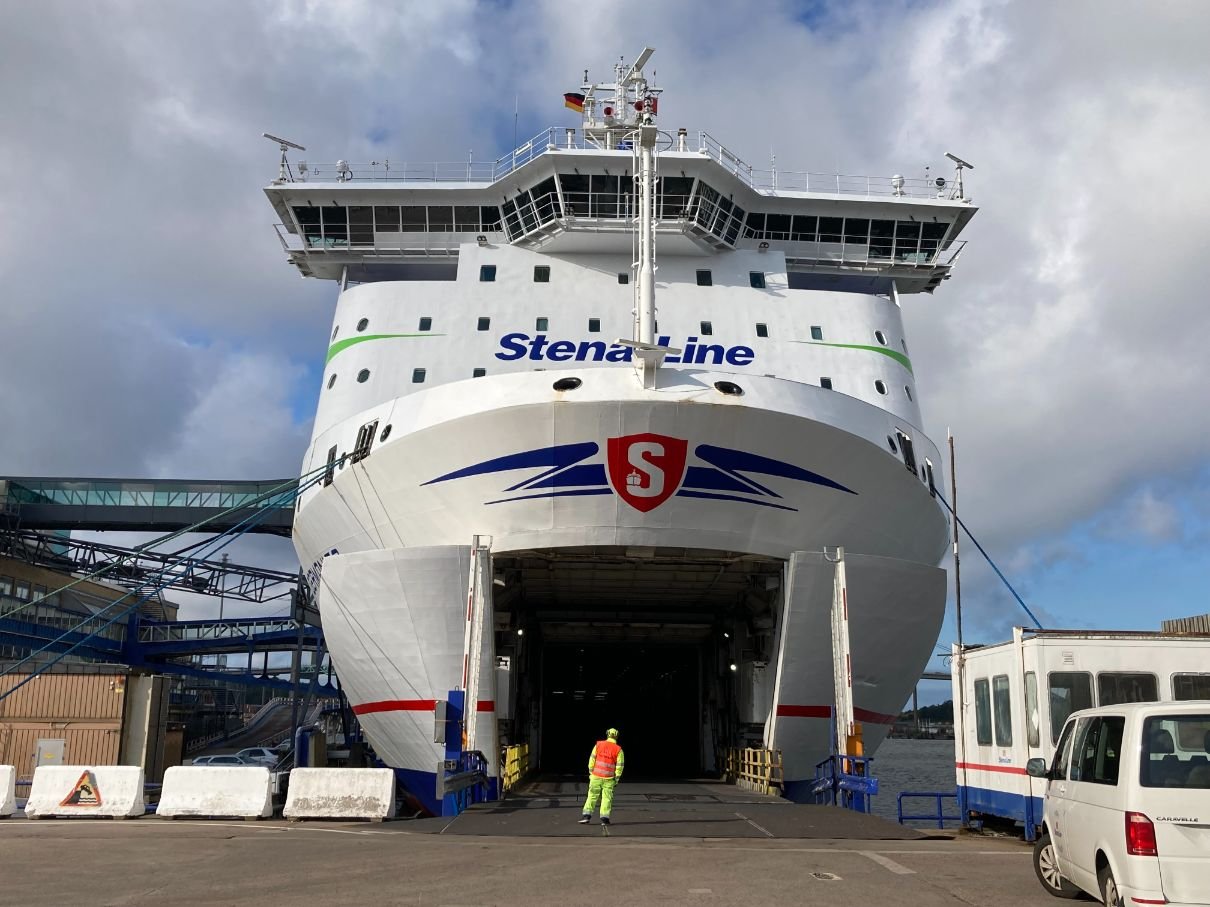
The attraction is not speed alone. The second overnight ferry removes a long drive through Denmark and southern Sweden and gives you another proper rest before arriving in Sweden. Stena Line currently operates the route with Stena Germanica and Stena Scandinavica.
There is a trade-off: two longer ferry crossings mean more dependence on fixed departure times and usually a cabin budget. If you enjoy road driving and want maximum flexibility, the Denmark route may suit you better.
Option 2: via Puttgarden-Rødby and the Øresund Bridge
For Malmö and southern Sweden, this is the road-trip route we would compare first:
UK → France or the Netherlands → northern Germany → Puttgarden-Rødby → Copenhagen → Øresund Bridge → Malmö.
Puttgarden-Rødby is a short ferry break rather than an overnight crossing. After crossing Denmark, the Øresund Bridge takes you directly from the Copenhagen side towards Malmö.
Option 3: via Helsingør-Helsingborg or Frederikshavn-Gothenburg
If you drive through Denmark, the Øresund Bridge is not your only way into Sweden.
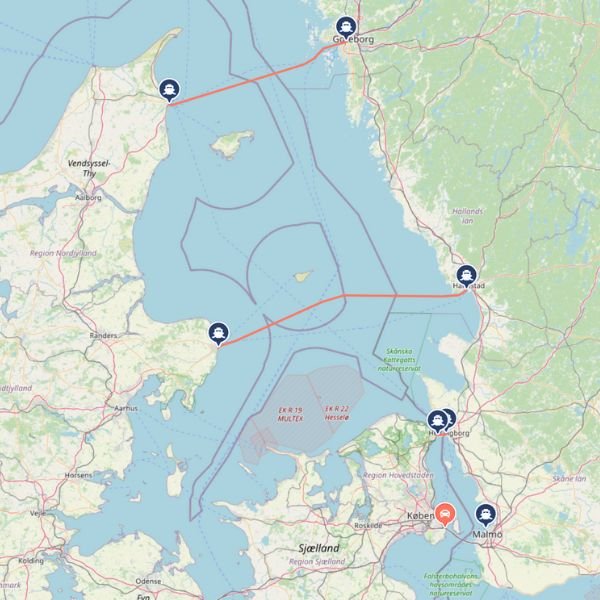
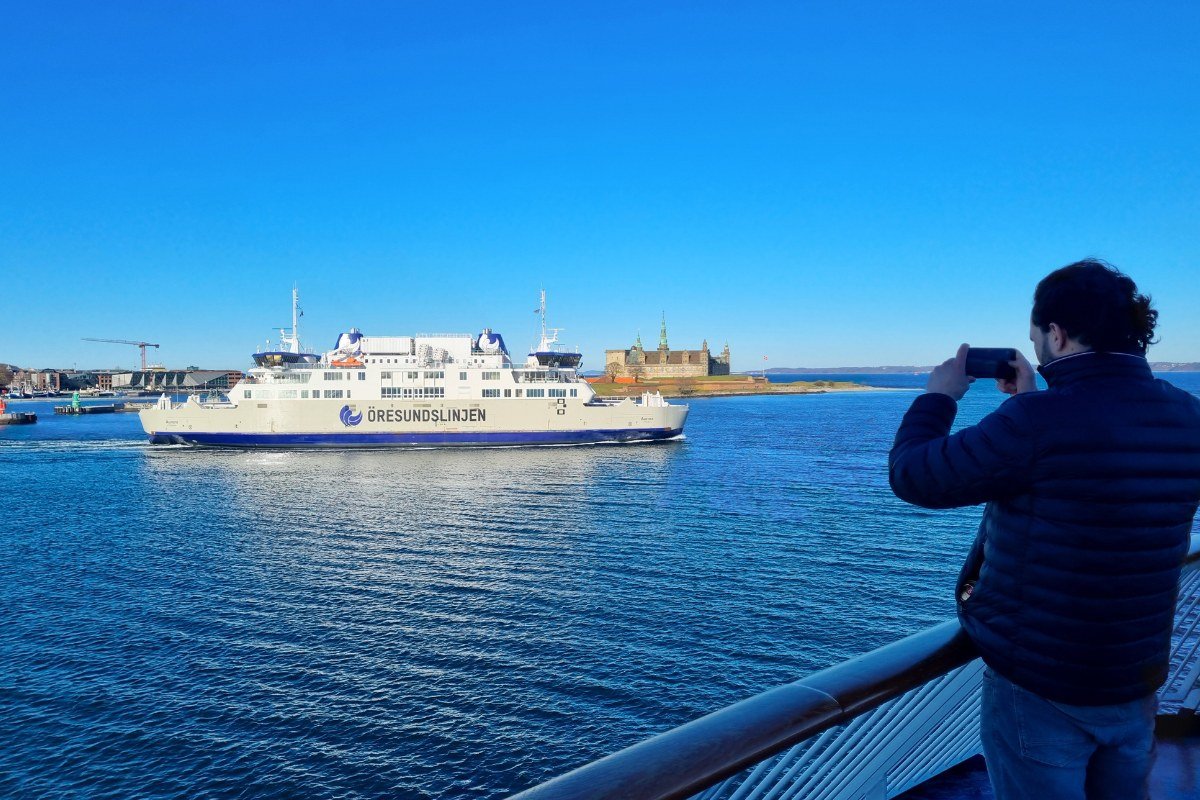
Helsingør-Helsingborg is the useful alternative if you are heading towards Helsingborg or continuing north along Sweden’s west coast. The crossing takes about 20 minutes and ØRESUNDSLINJEN operates very frequent services around the clock. For the right itinerary it saves you driving south to Malmö simply to cross into Sweden.
Frederikshavn-Gothenburg is a completely different proposition. If your route already takes you into northern Jutland, the Stena Line ferry puts you directly into Gothenburg and can remove a large amount of Swedish road mileage.
Halmstad-Grenaa should no longer appear in your planning. Stena Line discontinued that route after 30 April 2026. If an older guide or route planner still suggests it, compare Frederikshavn-Gothenburg, Helsingør-Helsingborg or the Øresund Bridge instead.
What about Stockholm?
Stockholm is the awkward one because neither Gothenburg nor Malmö is particularly close. There is still no direct UK-Stockholm ferry, so think about how you want to divide the journey rather than trying to find a single perfect crossing.
For a more restful journey, UK-Netherlands followed by Kiel-Gothenburg is attractive because you arrive in Sweden after a night’s sleep and then drive east across the country.
For a more flexible road trip, travel through Germany and Denmark and enter southern Sweden via the Øresund Bridge or Helsingør-Helsingborg. You will do more driving, but you are less dependent on a second long ferry timetable.
Our UK to Sweden verdict
If we were planning the trip, these are the three routes we would price first:
- Gothenburg / comfort: UK-Netherlands + Kiel-Gothenburg.
- Malmö / southern Sweden: UK-France or Netherlands + Puttgarden-Rødby + Øresund Bridge.
- Helsingborg / west coast: the same route through Germany and Denmark, but finish with Helsingør-Helsingborg instead of automatically driving to Malmö.
From northern Britain, Newcastle-Amsterdam deserves extra weight simply because it avoids beginning the holiday with a long drive south. From the South East, Dover can still win if you value flexibility and are comfortable doing much more of the journey by road.
On board and maps
Prices: compare the journey in two parts
There is no single UK-Sweden ferry fare because there is no direct crossing. Price the UK-Continent leg and the Germany/Denmark-Sweden leg separately, then add fuel, tolls and any hotel night you would otherwise need.
This matters particularly when comparing a short Channel crossing with an overnight ferry. Dover may have the lower ferry fare, while a North Sea route can save UK driving or replace a hotel. Likewise, Kiel-Gothenburg costs more than simply crossing into Sweden by bridge, but also replaces a substantial drive and a night’s accommodation.
Practical tips for driving from the UK to Sweden
- Plan around sleep, not just miles. Two tired hours behind the wheel can matter more than an hour saved on a ferry timetable.
- Price the whole route. Include fuel, bridge and road tolls, cabins and hotel stops rather than comparing ferry tickets in isolation.
- Book important cabins early. On overnight routes the cabin can be the part of the trip with the least flexibility, especially in school holidays.
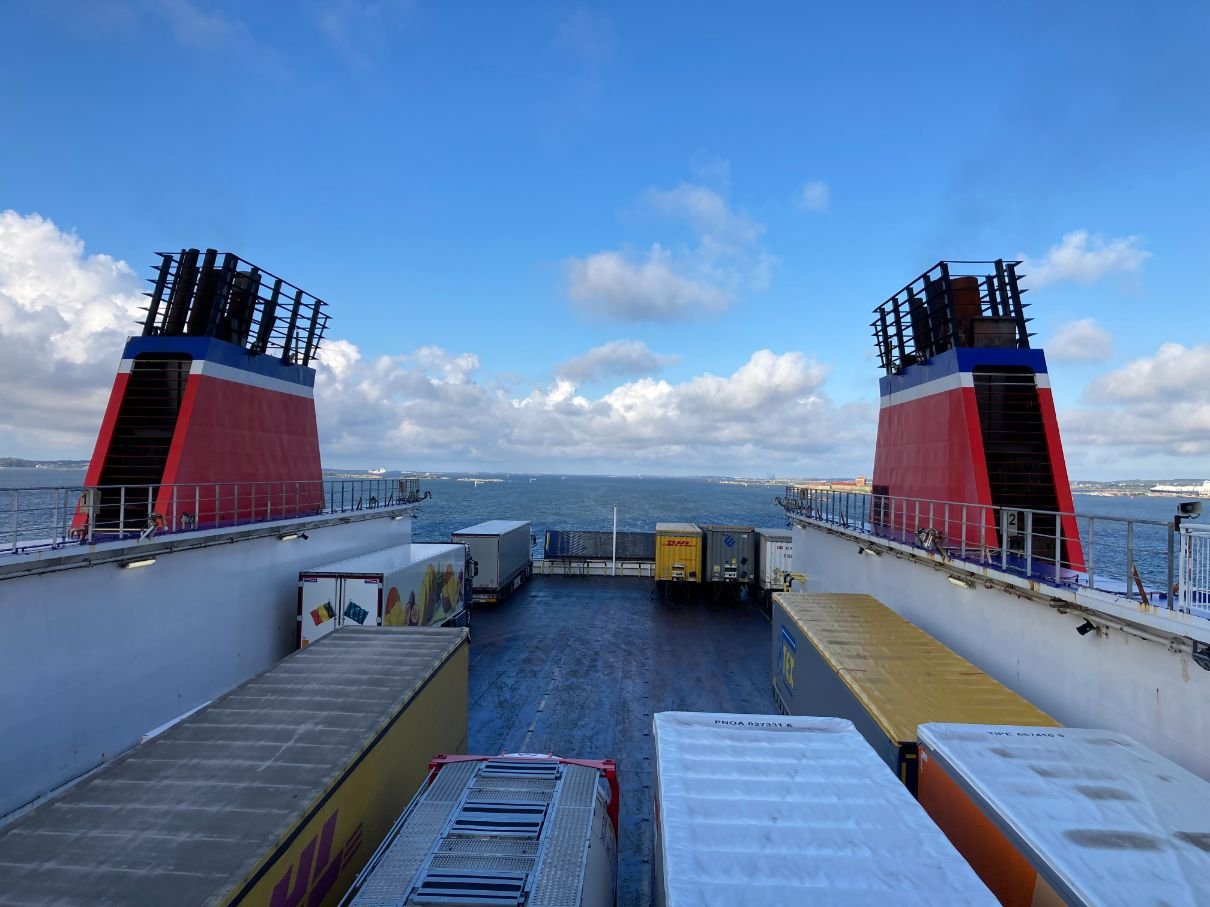
- Keep an overnight bag outside the boot pile. Vehicle decks are normally inaccessible while the ferry is at sea.
- Leave some flexibility on the short crossings. After hundreds of motorway miles, arriving exactly on schedule is difficult. Check the conditions of the ticket you buy rather than assuming you can take any departure.
- For an EV, plan charging as part of the route. Helsingør-Helsingborg even offers bookable charging on selected ferries, but availability and charging arrangements should be checked for your sailing.
- Remember the switch to driving on the right. Give yourself a few minutes after leaving the UK ferry before treating the next motorway section as ‘normal’.