

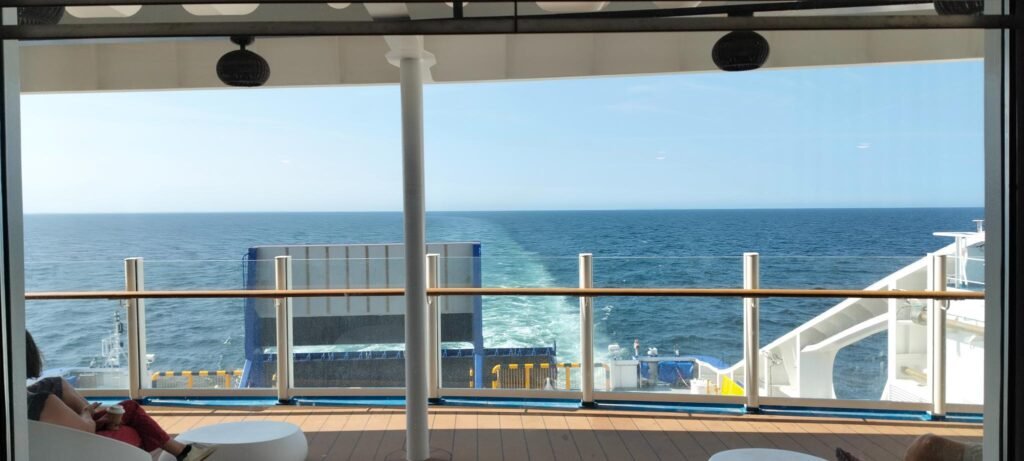
Dover is still difficult to beat for speed, frequency and journeys towards Calais, Lille or Belgium. But if you are heading to Normandy, Brittany or western France, a ferry from Portsmouth, Poole, Plymouth or Newhaven can produce a much easier complete journey.
The right route depends on two things: where you start in Britain and where your first real stop is in France. Portsmouth-Caen is the strongest all-round Normandy option, Poole-Cherbourg is the shortest western crossing, Portsmouth-Saint-Malo takes you directly into Brittany, and Plymouth-Roscoff avoids a long drive east if you start in Devon or Cornwall.
This guide compares the main Dover alternatives by total journey logic, not just crossing time. For every current route between Britain and France, see our wider guide to ferries to France from the UK.
- Calais, Lille or Belgium: Dover-Calais, Dover-Dunkirk or LeShuttle.
- Sussex to eastern Normandy: Newhaven-Dieppe.
- Normandy, Bayeux and the D-Day coast: Portsmouth-Caen.
- Paris, Rouen or eastern Normandy: Portsmouth-Le Havre or Newhaven-Dieppe.
- Dorset to the Cotentin Peninsula: Poole-Cherbourg.
- Brittany from southern England: Portsmouth-Saint-Malo.
- Brittany from Devon or Cornwall: Plymouth-Roscoff.
Dover alternatives at a glance
Start with the port closest to your UK journey, then compare where each ferry lands. A longer crossing can still save time and energy if it replaces road miles or an overnight hotel.
| Starting area | Route to check | Best for | Crossing style | Main trade-off |
|---|---|---|---|---|
| Kent, Essex and eastern London | Dover-Calais, Dover-Dunkirk or LeShuttle | Calais, Lille, Belgium and journeys further east | The shortest and most frequent options | More driving if your destination is in western France |
| Sussex, Surrey and parts of south London | Newhaven-Dieppe | Dieppe, Rouen, eastern Normandy and some Paris journeys | Around four hours with multiple daily sailings | Less frequent than Dover and not ideal for western Brittany |
| London, the South and the Midlands | Portsmouth-Caen | Bayeux, Caen and the D-Day coast | Day and overnight options, with the widest Portsmouth choice | A longer sea crossing than Dover |
| London, the South and the Midlands | Portsmouth-Le Havre | Le Havre, Honfleur, Rouen and Paris-side itineraries | Generally a daytime crossing of around six and a half hours | A more limited schedule than Portsmouth-Caen |
| London, the South and the Midlands | Portsmouth-Saint-Malo | Saint-Malo, Dinan, the Emerald Coast and central Brittany | A long overnight crossing that can replace a hotel night | A cabin and longer time at sea increase the booking cost |
| Dorset, the New Forest and parts of the West Country | Poole-Cherbourg | Cherbourg, the Cotentin Peninsula and western Normandy | A daytime crossing of about four hours 45 minutes | Usually one main departure each day |
| Devon, Cornwall, South Wales and the western Midlands | Plymouth-Roscoff | Roscoff, Finistère and western Brittany | Day and overnight sailings, depending on date | The UK drive can be long unless Plymouth is already on your side of the country |
Route patterns and crossing times were checked in July 2026. Ferry schedules vary by season, weekday and tidal conditions, so check your exact travel date before booking.
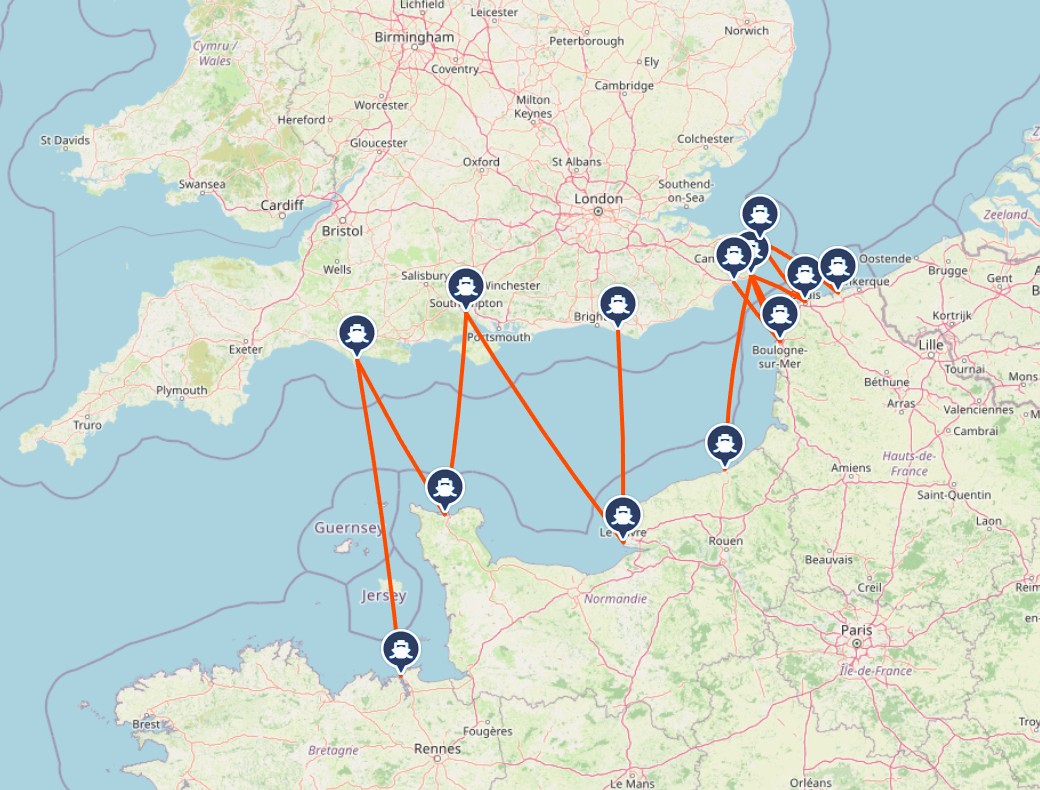
Map of the main alternatives to Dover
The map shows why there is no single best alternative. Newhaven sits between Dover and Portsmouth, Poole offers the shortest western crossing, and Plymouth only becomes the obvious choice when your UK journey already starts well to the west.
Dover or a western ferry route?
Dover is not automatically the stressful or inferior option. It remains the logical choice when you value frequency, want the shortest possible crossing or are travelling towards northern France, Belgium, the Netherlands or Germany. We have tested the main Dover-Calais ferry operators and LeShuttle ourselves, and the corridor is difficult to beat for a short, direct crossing.
A western ferry becomes more attractive when it lands closer to your first overnight stop, replaces several hours of driving or turns the crossing into useful rest time. That can matter even more with children, a dog, a camper or a heavily loaded car.
| Choose Dover when | Choose a western port when |
|---|---|
| Your destination is in northern or eastern France | Your first stop is in Normandy, Brittany or western France |
| Frequency and a wide choice of departure times matter most | You live closer to Newhaven, Portsmouth, Poole or Plymouth |
| You want the shortest crossing and do not mind more driving | The sailing can replace road time or an overnight hotel |
| The fare difference makes the extra driving worthwhile | Usable time on board matters more than minimum sea time |
Our practical rule is simple: compare the complete journey, not only the advertised crossing time. Include the UK drive, check-in, border control, the French drive and how rested you are likely to feel on arrival.
For a first-hand comparison of the fastest corridor, read how we tested the main ways to cross between Dover and Calais.
Portsmouth: the broadest western route choice
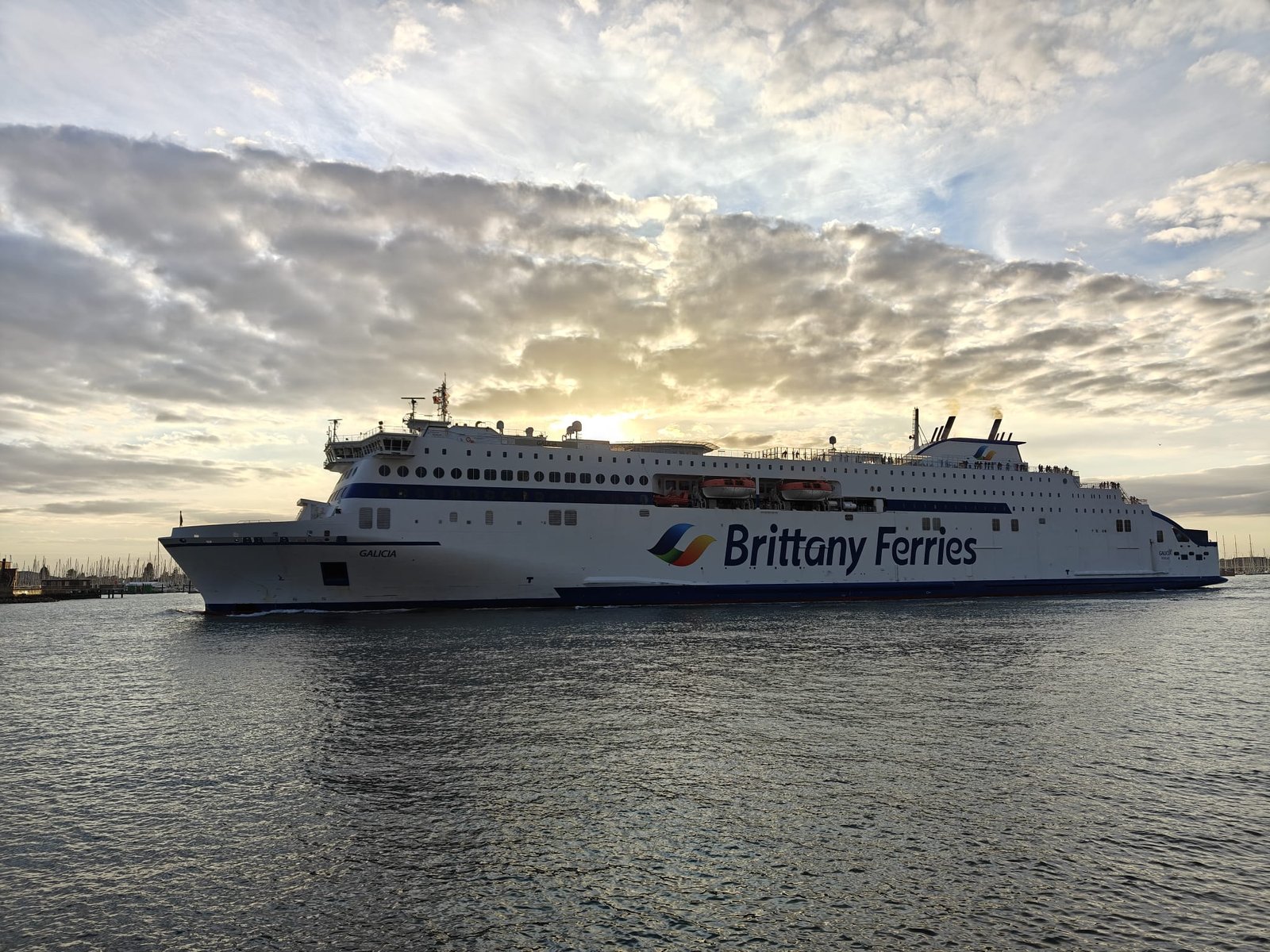
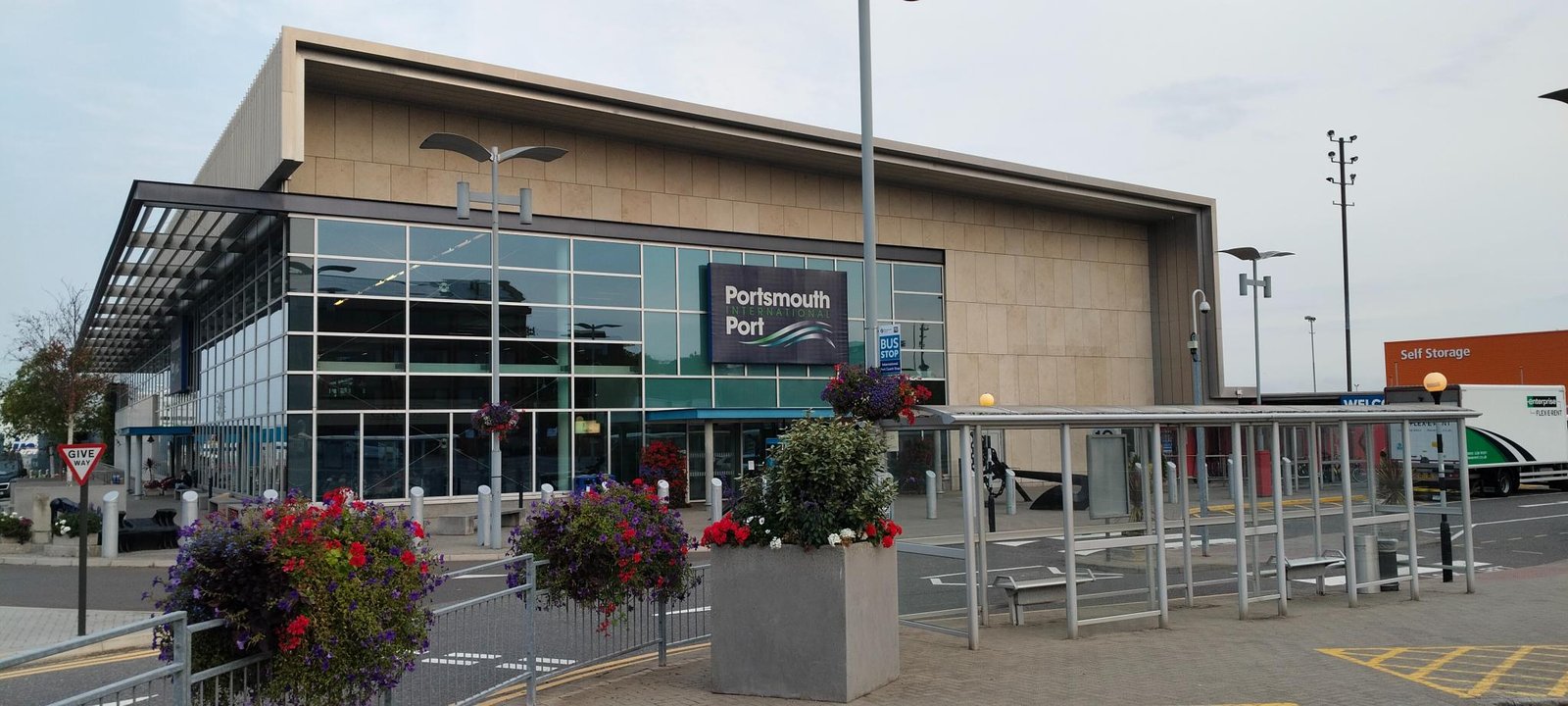
Portsmouth is the most versatile alternative to Dover. Brittany Ferries currently serves Caen, Le Havre, Cherbourg and Saint-Malo, but these routes solve different travel problems.
Portsmouth-Caen: the Normandy all-rounder
Portsmouth-Caen is the first route we would check for Bayeux, Caen and the D-Day coast. It generally has the widest choice of sailings from Portsmouth, including day and overnight options. The ferry actually arrives at Ouistreham, north of Caen, with straightforward road access into Normandy.
Portsmouth-Le Havre: eastern Normandy and Paris-side journeys
Portsmouth-Le Havre makes more sense when your journey points towards Le Havre, Honfleur, Rouen or Paris rather than Bayeux and western Normandy. Its schedule is more limited than Caen, so compare the actual departure time as well as the arrival port.
Portsmouth-Saint-Malo: arrive directly in Brittany
Portsmouth-Saint-Malo is the standout choice for Saint-Malo, Dinan, the Emerald Coast and much of central Brittany. The overnight sailing is long, but it can work like a moving hotel: eat, sleep and begin the next morning in the region you actually came to visit.
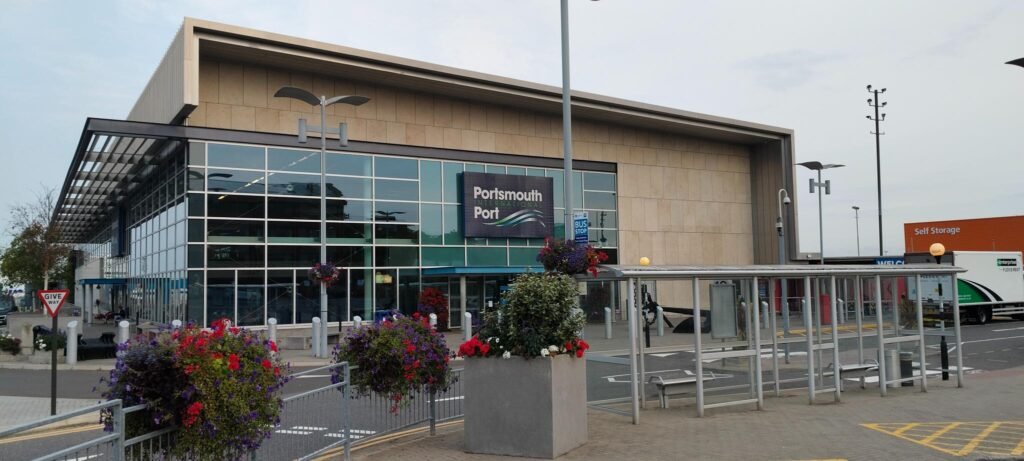
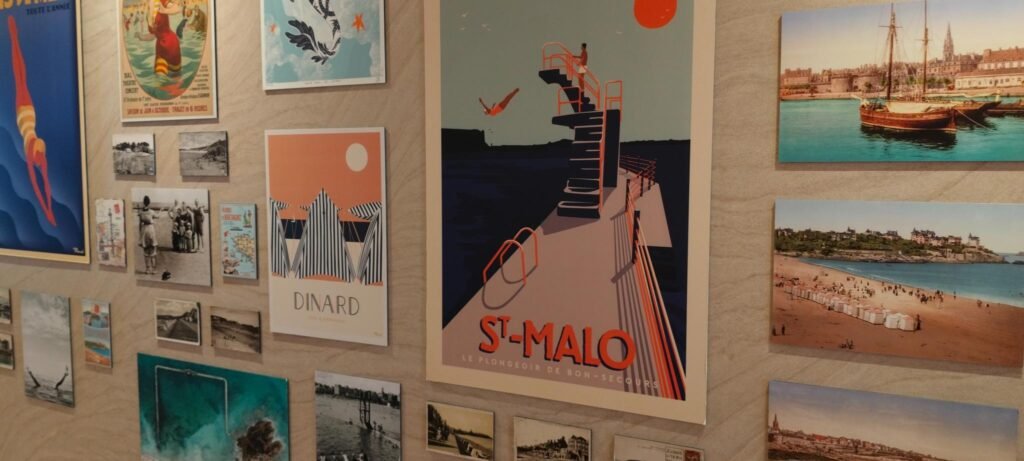
We travelled in the opposite direction, from Saint-Malo to Portsmouth, and found that the port and city added something to the journey itself. Saint-Malo is not merely an arrival point: it can be the first or final stop of the holiday.
Portsmouth-Cherbourg: useful, but check the schedule
Portsmouth-Cherbourg is now a limited overnight option rather than the obvious short western crossing. It can still work well for the Cotentin Peninsula or when its sailing time fits your plans, but Poole-Cherbourg is usually the stronger choice when you specifically want a shorter daytime crossing.
We sailed Portsmouth-Cherbourg on Santoña. Our first-hand Portsmouth-Cherbourg report shows what the ship, cabin and family crossing felt like in practice.
Compare all four options in our Portsmouth to France route guide.
Poole-Cherbourg: the shortest western crossing
Poole-Cherbourg deserves a clearer place in this comparison than it had before. The daytime crossing takes about four hours 45 minutes and normally operates daily, making it the shortest conventional western ferry route to France.
It is especially logical from Dorset, the New Forest and parts of the West Country. Cherbourg gives you direct access to the Cotentin Peninsula, including Barfleur, Sainte-Mère-Église and the western D-Day beaches, while the N13 provides a practical onward route towards Bayeux and Caen.
The limitation is frequency. Dover offers far more departures, while Portsmouth offers more French destinations. Poole works best when its location and daytime timetable happen to fit your trip.
Check Poole-Cherbourg sailings and availability.
Plymouth-Roscoff: the South West route into Brittany
Plymouth-Roscoff is the main France route from Plymouth and the one to compare first from Devon, Cornwall, South Wales and parts of the western Midlands. Roscoff places you directly in western Brittany, with useful road links towards Brest, Quimper, the Loire and the Atlantic coast.
The route offers daytime and overnight crossings, with journey times varying substantially by sailing. That makes the departure time almost as important as the headline route. A daytime sailing can be relatively quick, while an overnight option trades more time at sea for sleep and an early start in France.
Plymouth-Saint-Malo also appears on selected winter dates, but it is not a like-for-like second regular route. Treat it as an occasional timetable opportunity rather than the main reason to choose Plymouth.
See the current route mix in our guide to ferries from Plymouth to France.
Where Newhaven-Dieppe fits
Newhaven-Dieppe is the middle option that the previous version showed on the map but did not properly explain. From Sussex, Surrey and parts of south London, it can avoid both the Dover corridor and the longer drive west to Portsmouth or Poole.
The crossing usually takes around four hours and runs multiple times per day. Dieppe works particularly well for Rouen, eastern Normandy and some Paris-bound journeys. It is less suitable for western Brittany, where Portsmouth-Saint-Malo or Plymouth-Roscoff normally provides better route logic.
Travelling with children: why the longer ferry can help
With young children, the main advantage is not simply onboard entertainment. It is the ability to leave the car, eat properly, walk around and, on longer crossings, use a cabin as a private base. On our own family crossings, that made the travel day feel much less compressed.
A cabin can be useful even by day when the sailing is long enough to include a nap. Pack one small onboard bag with passports, chargers, wipes, snacks, spare clothes and anything you may need before the car deck reopens.
We have collected the more detailed practical advice in our guide to travelling comfortably with children on a ferry. For cabin and fare choices, see our guide to Brittany Ferries cabins, tickets and upgrades.

Our final verdict
Dover remains the logical choice for speed, frequency and northern France. For Normandy, Brittany and western France, however, the best route is often the one that puts you closest to your first overnight stop.
Choose Portsmouth-Caen for the broadest Normandy option, Poole-Cherbourg for the shortest western crossing, Portsmouth-Saint-Malo for a direct overnight journey into Brittany, Plymouth-Roscoff from the South West, and Newhaven-Dieppe when Sussex or eastern Normandy makes the geography work.
Compare every crossing in our UK-France ferry guide, see our wider best ferry route from the UK comparison, or read the two first-hand reports behind this article: Saint-Malo-Portsmouth and Portsmouth-Cherbourg on Santoña.
Get our latest ferry guides, route updates and travel tips in your Google feed. Add FerryGoGo as a preferred source in Google, and follow us in Discover when Google shows the option.







This article really ought to include the Poole – Cherbourg route. It’s short, the ports are quiet with easy access (and no risk of entering a charging zone in a motorhome) and the Cotentin peninsula is peaceful and interesting.
Hi Mike,
Thanks, that’s a really fair point – and you’re absolutely right.
We’ve now updated the article to include Poole – Cherbourg properly in the West Route mix, not just as an afterthought. It’s a very useful crossing for Dorset, the New Forest, west Hampshire and parts of the South West, especially for travellers who want a quieter alternative to Dover and a practical landing point in the Cotentin Peninsula.
Good shout as well on the motorhome angle and the quieter access at both ports. That’s exactly the kind of real-world detail that makes route choice easier, so thanks for flagging it.