UK ↔ EU ferry travel documents & border checklist (2026)
Last updated: 30 September 2026
Travelling by ferry between the UK and Europe is usually straightforward, but the small details are what trip people up: passport validity, UK ETA rules, Schengen stay limits, pet paperwork, vehicle documents, and what you need to take out of the car before boarding.
This checklist is built for ferry travellers rather than airport travellers. It is especially useful if you are driving to France, the Netherlands, Ireland or Spain, travelling with children, taking a pet, or sailing overnight with your luggage and essentials in the car.
Disclaimer: This guide is meant to help you prepare for a smoother ferry crossing, not to replace official advice. Requirements can change, and checks vary by route, port, operator and nationality. Always verify with your ferry operator and the official sources linked below.
New (September 2026): since 28 September 2026, every passenger on Stena Line and Irish Ferries sailings between Wales and Ireland needs a valid passport, including British and Irish citizens. See what changed.
How to use this page: do the quick checklist → open the official links → copy the phone checklist → download the printable PDF.
Jump to: Checklist · Who this is for · UK ETA · EU/Schengen · EES/ETIAS · Vehicle · Pets · Port & boarding · Connectivity · Real-life lesson · Ireland passport rule · FAQ
Quick actions
Tip: keep this open while you pack. This page is designed for the last 24 hours before departure.
In a nutshell: quick checklist
- Passport: checked for issue date, expiry date and destination rules.
- Sailing between Wales and Ireland? Since 28 September 2026, every passenger needs a valid passport on Holyhead–Dublin, Fishguard–Rosslare and Pembroke–Rosslare. A driving licence is no longer enough.
- Travelling to the UK? Check whether you need a UK ETA and apply early if you do.
- Travelling to the EU/Schengen? Check the 90/180-day rule if you travel often or for longer trips.
- Driving? Bring your V5C, or a VE103 / written permission for a hire, lease or company vehicle where relevant.
- Insurance and breakdown: save your policy numbers and emergency numbers offline.
- Pets? Microchip, rabies vaccination and Animal Health Certificate all need to be in the correct time window.
- Car-deck grab bag: medication, chargers, passports, snacks, a warm layer and children’s essentials.
- Downloads: save booking confirmations, maps, films, podcasts and accommodation details before you board.
Who should use this checklist?
Most useful for:
- UK travellers driving to Europe: passport, vehicle, insurance and Schengen checks.
- EU travellers visiting the UK: a UK ETA check before departure.
- Families: every traveller, including children, may need their own travel authorisation or documents.
- Pet owners: start early, because vaccination and AHC timing really matters.
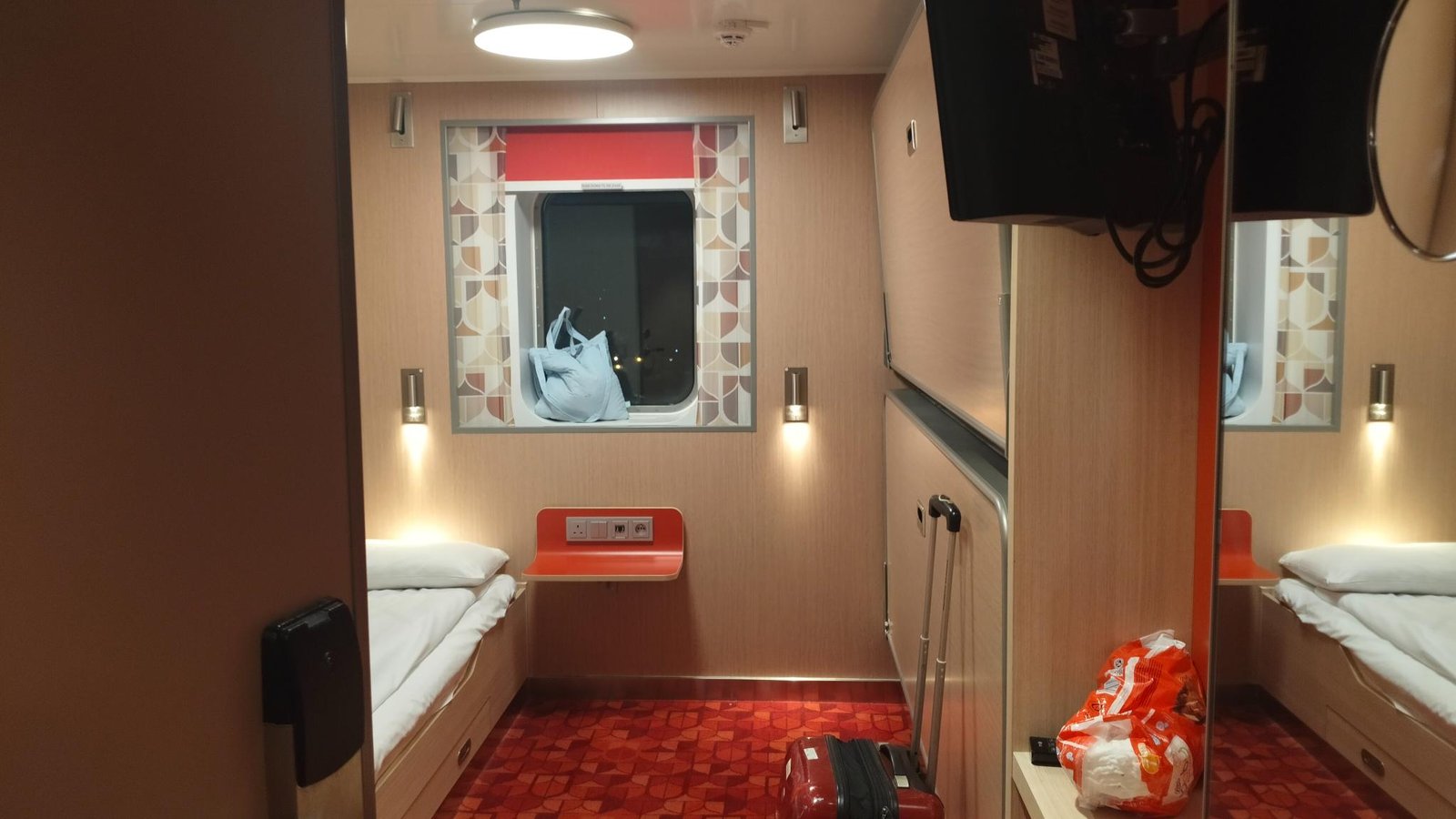
- Overnight ferry passengers: plan your cabin bag as if you cannot get back to your car during the crossing.
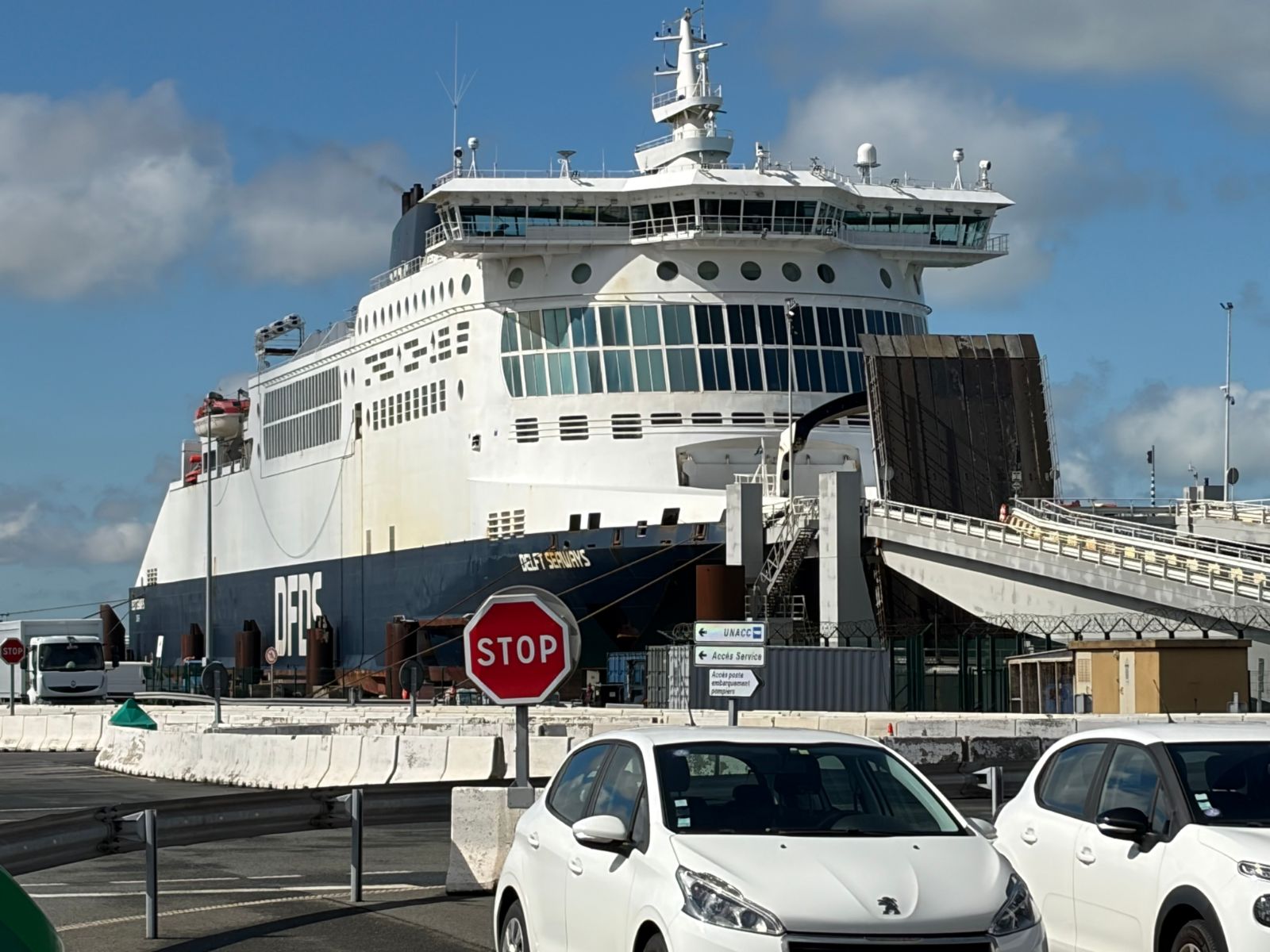
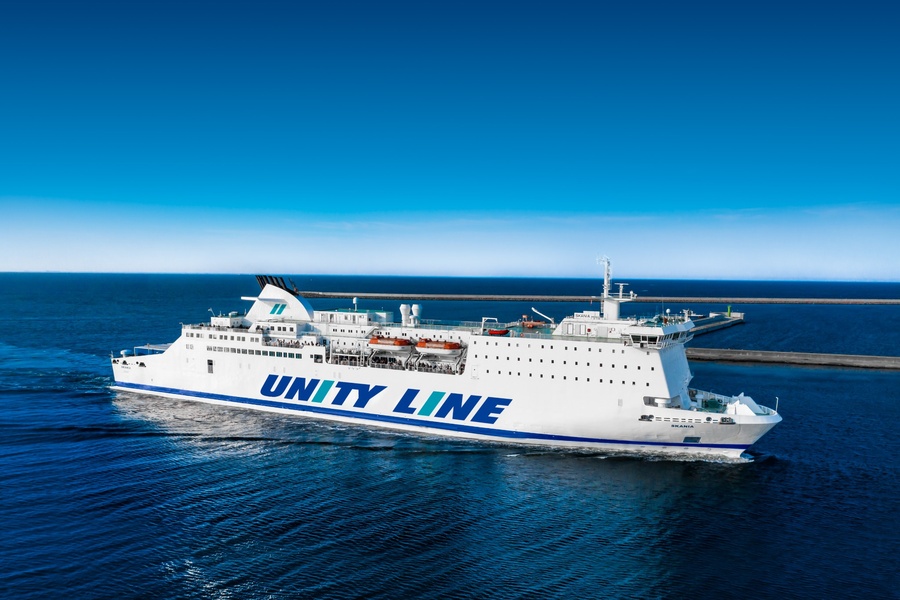
We have used many of these routes ourselves, including Saint-Malo ↔ Portsmouth, Portsmouth ↔ Cherbourg, Harwich ↔ Hook of Holland, Hull ↔ Rotterdam and Newcastle ↔ Amsterdam. This page focuses on the practical things that actually cause problems at ferry ports: forgotten documents, ETA confusion, pet paperwork, vehicle ownership questions, and items left on the car deck.
Important: avoid unnecessary fees from third-party ETA or visa websites
Double-check where you apply. Many third-party ‘application’ or ‘assistance’ websites submit an ETA or visa application on your behalf and add a service fee on top. That convenience is optional. In almost all cases you can apply directly, for the official price, on the official authority website.
- UK ETA: apply via GOV.UK or the official UK ETA app. Start here: gov.uk/eta/apply.
- Official UK ETA fee: £20.
- Rule of thumb: official UK pages use gov.uk. Official EU pages use europa.eu or ec.europa.eu.
- If you think you used a scam or phishing site: report it and change your passwords. Start here: GOV.UK scam and phishing reporting.
Official links: bookmark these
This is the source-of-truth section. If something changes, start here.
UK ETA and UK entry
- UK ETA overview: gov.uk/eta
- Apply for a UK ETA: gov.uk/eta/apply
- Check your ETA: gov.uk/check-eta
- Report suspicious websites: GOV.UK phishing/scam reporting
EU / Schengen / EES / ETIAS
- EU short-stay calculator: EU short-stay calculator
- EU visa calculator: EU visa calculator
- EES official portal: travel-europe.europa.eu/en/ees
- ETIAS official portal: travel-europe.europa.eu/en/etias
Driving, pets, Ireland and travel health
- Driving abroad: gov.uk/driving-abroad
- Taking vehicles out of the UK: vehicle documents guidance
- Taking your pet abroad: gov.uk/taking-your-pet-abroad
- Common Travel Area (UK–Ireland): GOV.UK Common Travel Area guidance
- Ireland entry documents: gov.ie entry documents
- Ireland visa requirements: gov.ie visa requirements
- Travel vaccinations: NHS travel vaccinations · TravelHealthPro
UK ETA: practical rules for ferry travellers
What it is: a digital travel permission linked to your passport. If you need one, every traveller needs their own ETA, including children and babies.
Most important rule: only apply via GOV.UK or the official UK ETA app. Third-party websites cannot speed up the decision, and usually just add a service fee.
- Official fee: £20.
- No ETA, no boarding: since 25 February 2026, ferry operators must refuse boarding to visa-exempt travellers who do not hold a valid ETA. You cannot sort it out at the port.
- Who doesn’t need one: British and Irish citizens do not need a UK ETA.
- Processing: often within a day, but allow up to 3 working days.
- Children: need their own ETA if one is required.
- Passport match: your ETA is linked to the passport you used to apply, and you must travel on that same passport.
- Check status: use the official checker at gov.uk/check-eta.
Our advice: don’t leave this until the day before departure. Ferry operators increasingly expect passengers to arrive with all their travel permissions already in place.
EU / Schengen rules: UK to France, Netherlands, Spain and beyond
If you are travelling from the UK into the Schengen Area, the two things to get right are passport validity and the 90/180-day short-stay rule.
This matters most if you travel often, take long road trips, own a second home, or combine several ferry trips in one year. Use the official calculator if you are anywhere near the limit.
EES and ETIAS: what changes at the border
EES (Entry/Exit System): the EU’s digital border system for non-EU travellers has been fully operational since 10 April 2026. It replaces the passport stamp with a digital record and, on your first crossing since it went live, captures your fingerprints and a facial image. In practice, that means allowing a little extra time at the port for your first registration; later crossings are quicker because your details are already on file. Some borders may still process travellers manually at busy times, so follow staff instructions on the day.
ETIAS: a travel authorisation for visa-exempt travellers (UK passport holders included). Update September 2026: the EU has removed its ‘late 2026’ target date and no new launch date has been confirmed; a start in 2027 is now widely expected. Applications are not open yet, there will be a transitional period before it becomes mandatory, and the EU has said it will give plenty of notice before go-live. Do not apply through any website claiming to take ‘early’ ETIAS applications, because none of them are official.
Common pitfall: ‘Apply now’, ‘urgent’ or ‘fast track’ messaging, and sites adding large service fees. The official EU information for both EES and ETIAS is on travel-europe.europa.eu.
Vehicle documents: V5C, hire cars, insurance and breakdown cover
- Keep handy at check-in: passport(s), booking reference and vehicle details.
- Own car: bring your V5C log book when taking your vehicle abroad.
- Hire, lease, finance or company car: you may need written permission or a VE103 document. Check before you travel.
- Insurance: save your policy number, emergency number and overseas cover details offline.
- Breakdown cover: save the assistance number and your membership details offline.
- Driving in Europe: check local requirements for equipment, emissions zones, tolls and speed limits before you leave.
Vehicle document problems are most likely to affect travellers in company, lease, hire or borrowed cars. If the name on the vehicle document does not match the person travelling, check what proof you need before you arrive at the port.
Pets: timing-sensitive paperwork
Pet rules are strict, and the timing matters. Start with the official guidance and speak to your vet early, especially before the school holidays.
- Microchip: your pet must be microchipped.
- Rabies vaccination: make sure the vaccination is valid and given in good time.
- Animal Health Certificate: usually needed for UK pets travelling to the EU.
- AHC timing: the certificate is valid for entry into the EU within the set entry window, and then for onward EU travel and return to Great Britain within the official validity period.
- Operator rules: ferry operators may have stricter check-in and pet-area rules than the destination itself.
- Pet accommodation: depending on the route and ship, pets may travel in your vehicle, in a kennel, or in a pet-friendly cabin.
Start here: GOV.UK taking your pet abroad. Also see our guide to travelling with a dog on ferries.
Port and boarding reality: what catches people out
Ferry travel is usually relaxed once you are on board, but ports can be unforgiving if you arrive late or have documents missing.
- Check-in closes before departure: the exact cut-off varies by route and operator. Your booking confirmation is the source of truth.
- Keep passports accessible: don’t pack them deep in a suitcase or leave them with luggage you can’t reach easily.
- Car deck access: you usually cannot return to your vehicle during the crossing.
- Grab bag rule: take medication, chargers, wipes, snacks, a warm layer, children’s entertainment, and anything you would hate to be without for 6–12 hours.
- Travelling with children: build in buffer time. Queues, toilets, tiredness and security checks always take longer than you expect.
What catches ferry travellers out most often?
- Leaving medication, chargers or children’s essentials in the car. On many crossings you cannot return to the vehicle deck.
- Assuming ETA or pet paperwork can be sorted at the last minute. It usually can’t.
- Turning up for a Wales–Ireland ferry with only a driving licence. Since 28 September 2026, Stena Line and Irish Ferries require a valid passport for every passenger.
- Arriving too close to check-in closing time. Ferry operators can be strict.
- Forgetting vehicle ownership documents. This is especially common with lease, finance and company cars.
- Relying entirely on mobile internet. Download maps, booking confirmations and travel documents before you board.
Connectivity: roaming at sea, Wi-Fi and downloads
Mobile networks behave differently at sea, and maritime networks can be expensive. Best practice: download maps, films, podcasts, ferry booking confirmations and accommodation details while you’re still on land. If you’re unsure, switch data roaming off once you sail.
Real-life lesson: Saint-Malo to Portsmouth
Copy to phone: day-before checklist
Copy this into Notes, WhatsApp or your travel folder, and tick the items off the day before you sail.
DOCUMENTS
[ ] Passport(s) checked: issue date, expiry date and destination rules
[ ] Wales–Ireland (Holyhead, Fishguard, Pembroke): valid passport for EVERY passenger - driving licence no longer accepted
[ ] Ferry booking confirmation saved offline
[ ] Check-in close time checked
[ ] Travel insurance details saved offline

TO THE UK
[ ] UK ETA checked or applied for if required (no ETA = no boarding)
[ ] Applied only via GOV.UK or the official UK ETA app
[ ] Same passport used for travel and ETA

TO THE EU / SCHENGEN
[ ] 90/180-day rule checked if you travel often
[ ] EES: expect a quick fingerprint and photo on your first crossing (handled at the border)
[ ] ETIAS: not launched yet, no start date confirmed - ignore any site offering "early" applications
[ ] Passport validity checked for destination

DRIVING / VEHICLE
[ ] Driving licence
[ ] V5C log book, or VE103 / permission for a hire, lease or company car
[ ] Insurance details saved offline
[ ] Breakdown cover details saved offline
[ ] Offline maps downloaded

PETS
[ ] Microchip confirmed
[ ] Rabies vaccination timeline checked
[ ] Animal Health Certificate within the correct window
[ ] Ferry operator pet rules checked

ONBOARD GRAB BAG
[ ] Medication
[ ] Chargers and power bank
[ ] Snacks and water
[ ] Warm layer
[ ] Children's essentials and entertainment
[ ] Passports and documents
[ ] Films, podcasts or games downloaded
Printable checklist PDF
Download the printable checklist before you board. Keep a copy on your phone and, ideally, a printed version in the car.
Route-specific ferry document checks
Travelling by ferry to France
For UK travellers heading to France, the big checks are passport validity, the Schengen 90/180 days, vehicle documents and pet paperwork if relevant. If you are still choosing your route, start with our UK to France ferry guide.
Travelling by ferry to the Netherlands
For the Netherlands, route choice matters. Harwich to Hook of Holland works well with Rail & Sail, while Hull to Rotterdam and Newcastle to Amsterdam are the classic overnight car ferries. Check your vehicle documents, passport rules, and what you need to take up to your cabin.
- Ferries from the UK to the Netherlands
- Harwich to Hook of Holland
- Hull to Rotterdam
- Newcastle to Amsterdam
Travelling by ferry to Ireland
New from 28 September 2026: passport required on Wales–Ireland ferries. Stena Line and Irish Ferries now require every passenger, including British and Irish citizens and children, to show a valid passport at check-in on Holyhead–Dublin, Fishguard–Rosslare and Pembroke–Rosslare, in both directions. Driving licences and other photo ID are no longer accepted.
- Irish Ferries: also accepts a valid Irish passport card.
- Stena Line: requires a passport with a machine-readable zone (MRZ).
- Not affected: Belfast sailings to Cairnryan and Liverpool keep their current ID rules, because they stay within the UK.
- Why: this is an operator requirement linked to UK Border Force passenger-data checks. The Common Travel Area itself has not changed.
Ireland is not in the Schengen Area, so don’t apply Schengen 90/180 logic automatically. Check the Irish entry rules for your nationality and your ferry operator’s check-in requirements.
- Ferries from the UK to Ireland
- Holyhead to Dublin
- Ferries from Wales to Ireland (Holyhead, Fishguard, Pembroke)
Travelling by ferry to Spain
For Spain, check passport validity, your Schengen days, vehicle documents and pet paperwork. The crossings are longer, so cabin choice, travel insurance and onboard preparation matter more.
Related FerryGoGo guides
Useful guides to read before booking a ferry, cabin or upgrade:
- Best route choice: Best ferry route from the UK
- UK to France: Ferries from the UK to France
- UK to Netherlands: Ferries from the UK to the Netherlands
- UK to Ireland: Ferries from the UK to Ireland
- UK to Spain: Ferries from the UK to Spain
- Cabins and upgrades: Brittany Ferries cabins, tickets and upgrades
- Ferry with children: How to travel comfortably with children on the ferry
- Travelling with a pet: Ferry travel with your dog
- First-hand reviews: Our first-hand ferry reviews
- Emissions comparison: Ferry vs flying emissions calculator
Common mistakes: the expensive ones
- Paying an unnecessary service fee to a third-party ETA or visa application site.
- Arriving after check-in closes.
- Leaving essentials in the car, then finding you can’t access the car deck.
- Starting pet paperwork too late.
- Forgetting V5C, VE103 or vehicle permission documents.
- Assuming mobile data will work normally at sea.
- Not checking local driving rules before leaving the port.
If you used a third-party ETA or visa service
If you paid more than the official fee for an ETA or visa, it may simply have been a third-party assistance service adding a convenience fee. If you suspect it was an outright scam or phishing site, follow the steps below.
- Check your confirmation email and receipt: who did you pay, and what exactly did they promise?
- If you still need the ETA or visa, apply or re-apply via the official service.
- If you entered passport or payment details on a suspicious domain, change your passwords and monitor your bank or card statements.
- If needed, contact your bank or card provider.
- Report phishing or scams via GOV.UK scam reporting.
FAQ
Do I need a passport for UK ↔ EU ferry travel?
In most UK ↔ EU ferry scenarios, yes. Always verify the entry requirements for your nationality and destination.
Do I need a passport for the ferry between Wales and Ireland?
Yes. Since 28 September 2026, Stena Line and Irish Ferries require every passenger, including British and Irish citizens, to show a valid passport on Holyhead–Dublin, Fishguard–Rosslare and Pembroke–Rosslare. Irish Ferries also accepts a valid Irish passport card. Driving licences are no longer accepted. Belfast–Cairnryan and Belfast–Liverpool are not affected.
Do I need a UK ETA?
It depends on your nationality and status. British and Irish citizens don’t need one. Use GOV.UK to check, and apply only via the official channels if you do. Without a valid ETA, the ferry operator must refuse boarding.
How much does a UK ETA cost?
The official UK ETA fee is £20. Third-party websites may charge more by adding a service fee.
Can I apply through another website to speed up processing?
No. A third-party website won’t speed up the decision; it usually just adds a service fee.
Do children need their own UK ETA?
Yes. If an ETA is required, every traveller needs their own, including children and babies.
How early should I arrive at the port?
Check-in cut-offs vary by route and operator. Follow your booking confirmation and aim to arrive with time to spare.
Can I go back to my car during the crossing?
Usually not. Pack an onboard bag with medication, chargers, passports, snacks and anything else you’ll need during the sailing.
What are EES and ETIAS?
EES is the EU’s Entry/Exit System, which records non-EU travellers at the border using biometrics. It has been fully operational since April 2026, so expect a quick fingerprint and photo on your first crossing since then. ETIAS is a separate travel authorisation for visa-exempt travellers; the EU has dropped its late-2026 target and no launch date has been confirmed, with 2027 now widely expected. Applications are not open yet. Use only the official EU portal at travel-europe.europa.eu.
Do I need my V5C when taking my car to Europe?
If you’re taking your own vehicle abroad, bring the V5C log book. If the vehicle is hired, leased or a company car, check whether you need a VE103 or written permission.
What pet documents do I need?
For UK pets travelling to the EU, you’ll usually need a microchip, a rabies vaccination and an Animal Health Certificate. Check the official rules and your ferry operator’s pet policy well before departure.
Before you leave today: 2-minute final check
- Passport checked for issue date and validity.
- Wales–Ireland ferry? A valid passport for every passenger (Irish passport card also accepted by Irish Ferries).
- UK-bound? Confirm whether you need a UK ETA.
- EU/Schengen-bound? Check your 90/180 days if you travel often.
- Driving? V5C, VE103 or permission documents ready.
- Pets? Microchip, rabies and AHC timing checked.
- Grab bag: medication, chargers, snacks and children’s essentials packed.
Note: watch out for third-party ETA or visa assistance websites that charge extra. If you’re unsure, use the official authority links on this page.
Get our latest ferry guides, route updates and travel tips in your Google feed. Add FerryGoGo as a preferred source in Google, and follow us in Discover when Google shows the option.