In September 2026, I travelled with my two brothers from Dunkirk to Dover on DFDS’s Delft Seaways. We wanted to see what this crossing was like compared with our earlier Calais crossings. If you are returning to the UK through Belgium or northern France, our experience may help you choose between the two ports.
Dunkirk-Dover is first and foremost a practical transport route. Coming from the Netherlands, Belgium or Germany, it saves part of the drive along the coast to Calais. Dunkirk is also a smaller port with a single operator, and when we arrived the check-in booths were almost empty. Calais can get much busier at peak times, so the quieter port can be a real advantage.
Boarding was straightforward and the crossing itself was smooth. The terminal, the long queue for food and a ship that felt dated to us were less impressive. It got us across without fuss, but for me it felt more like public transport than the start of a holiday. That is not unusual on a two-hour crossing: the holiday feeling tends to come more easily on longer or overnight routes, such as Saint-Malo-Portsmouth. Canterbury, where we stopped after Dover, was a much better place to settle into the trip.
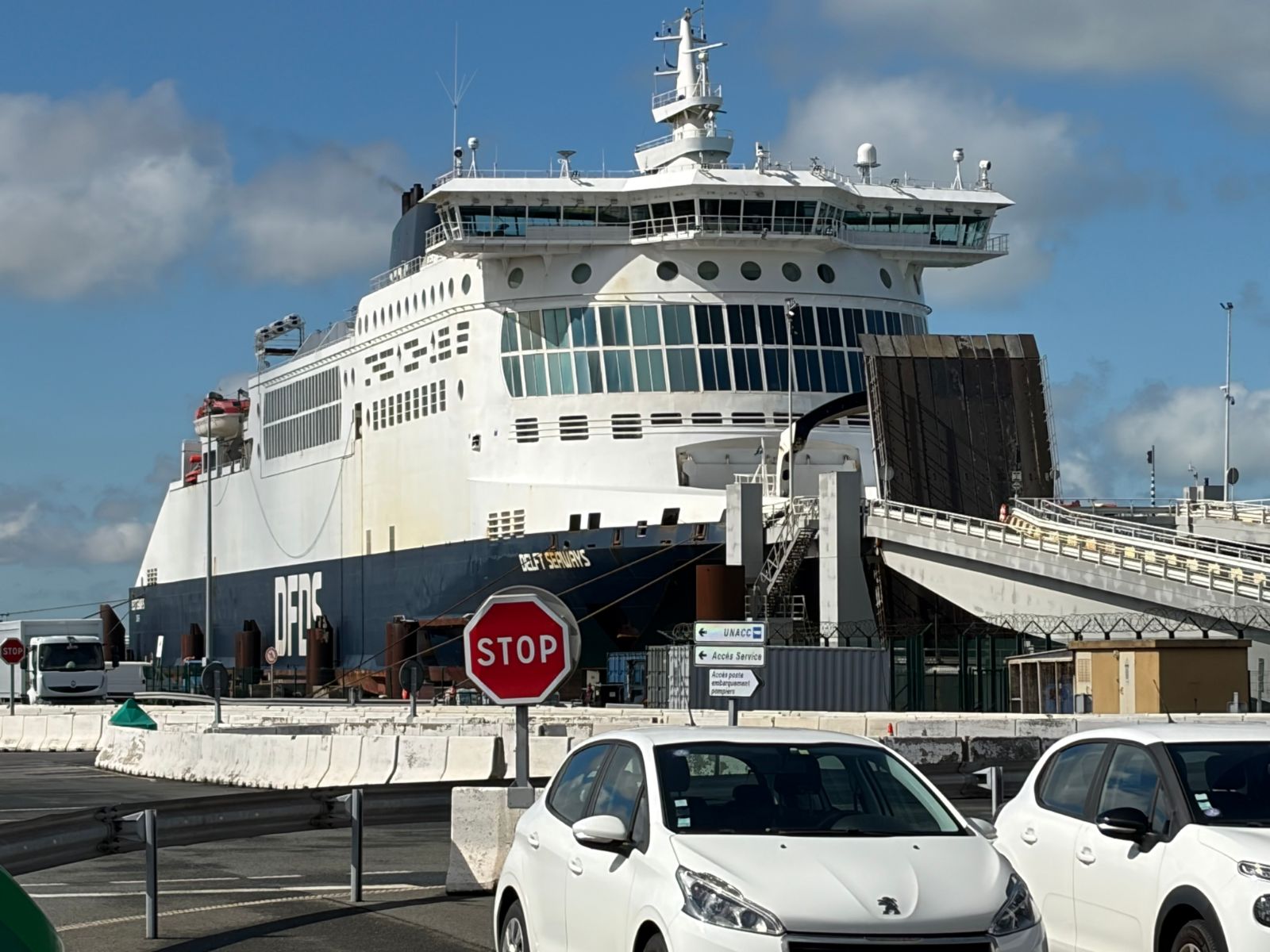
I travelled from Dunkirk to Dover with my two brothers, including fellow FerryGoGo partner Bram Tigchelaar, on 11 September 2026. We booked the 14:00 DFDS sailing on Delft Seaways, with three people in one car. The notes and photographs here come from that journey. We tested this direction and ship, rather than every DFDS service on the route.
Why we chose Dunkirk
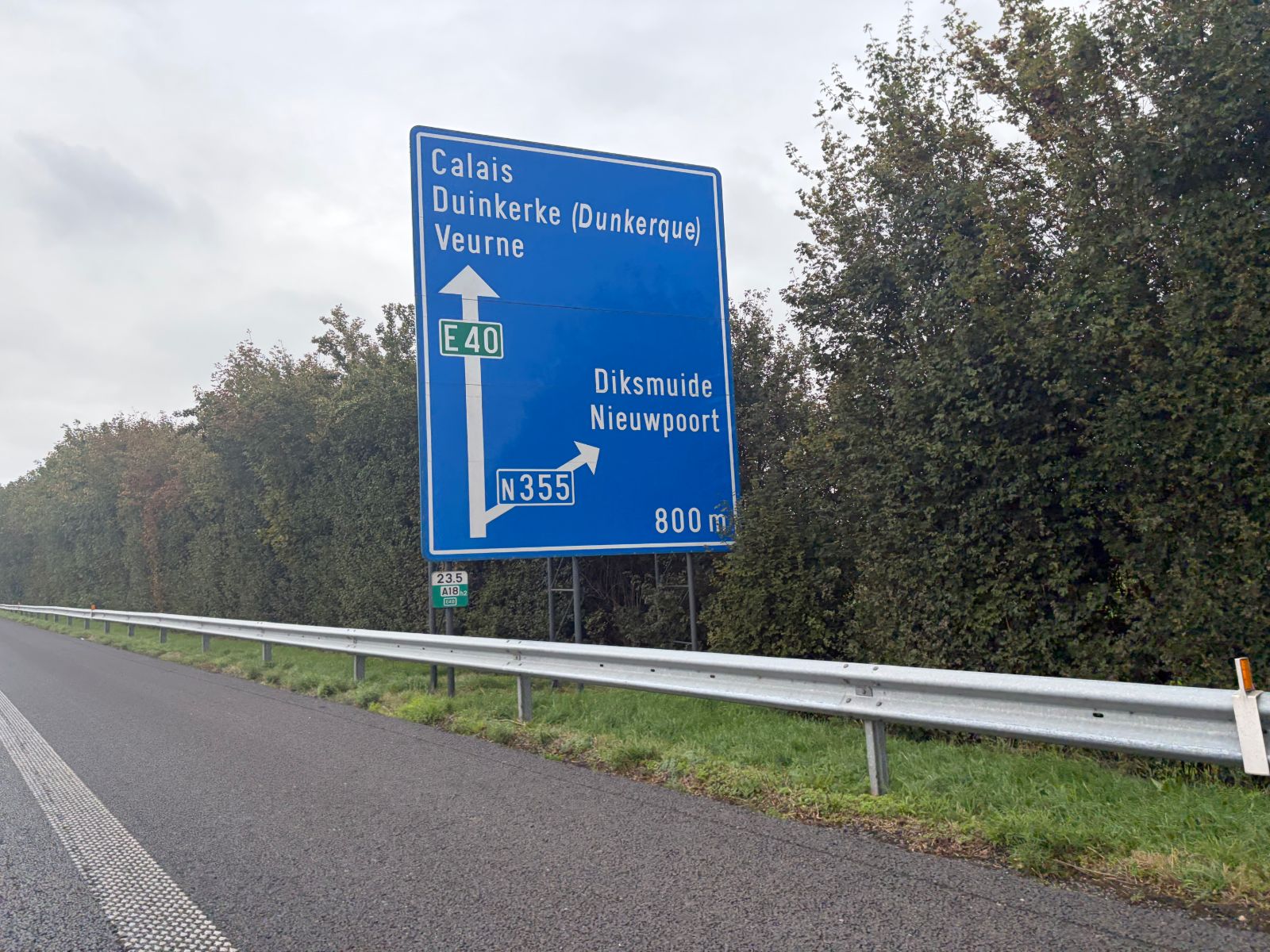
Last year I crossed via Calais, as part of our Dover-Calais ferry comparison, where we tried the main ferry operators and LeShuttle side by side. This time Dunkirk made more sense. We drove down through Belgium on the E40, and Dunkirk comes before Calais on that road, so it meant a bit less driving to reach the port.
That advantage depends on where you start. Dunkirk tends to suit drivers coming from the Netherlands, Belgium or Germany. The fair comparison is the drive plus the crossing, not just the distance to the terminal, so check both before you assume one port is quicker.
Dunkirk before the crossing
We had some time in Dunkirk before heading to the port. Compared with my stop in Calais the year before, it felt quieter and less interesting, at least in the part we saw. If you want a proper break before the ferry, plan where you will spend it rather than counting on the harbour area to fill the time.
On the road to the terminal we passed tents in the roadside vegetation and people walking close to the crash barriers. I found that stretch unsettling, although we had no problems on the way to the terminal.
The terminal was the weakest part
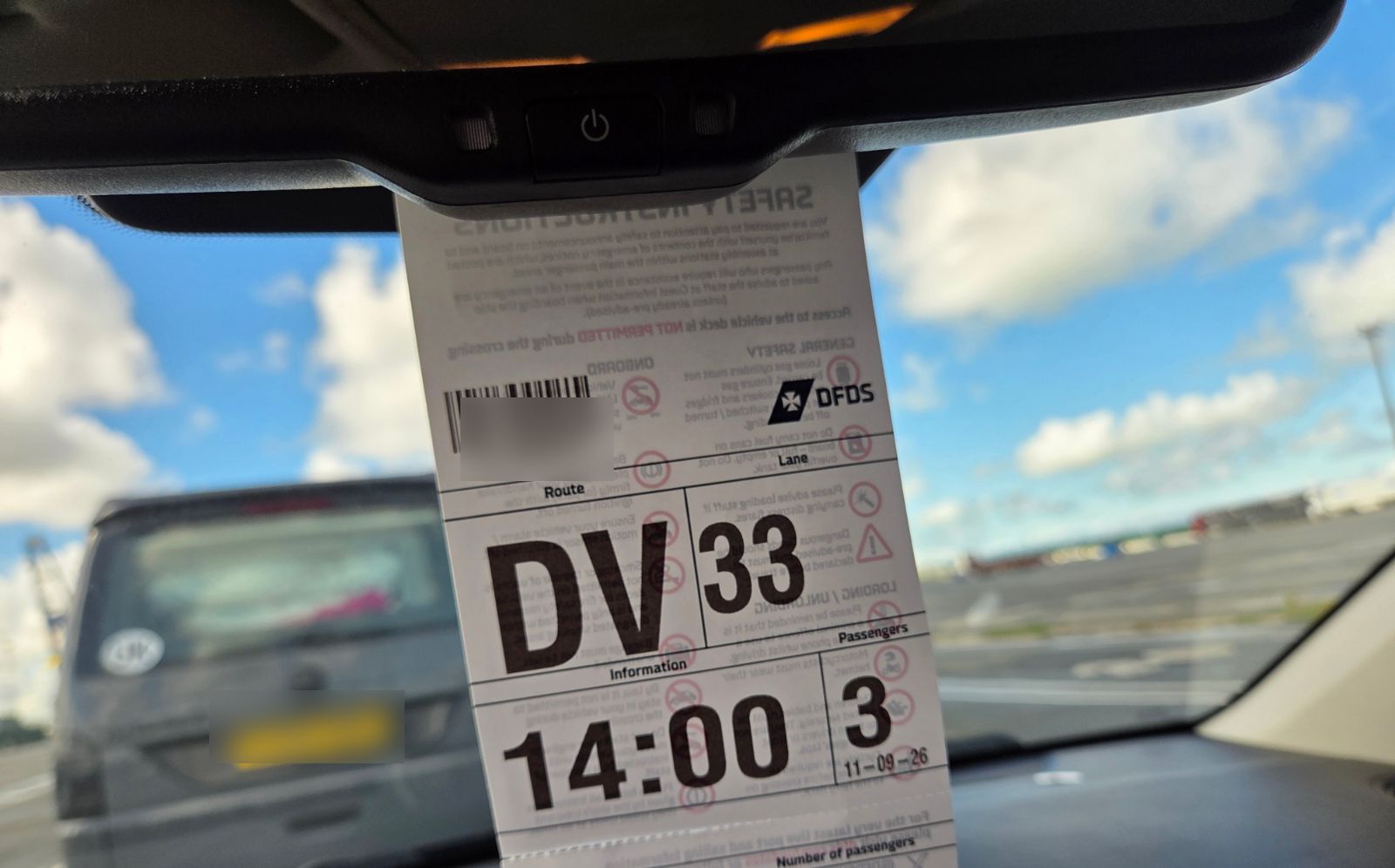
The check-in booths were quiet when we arrived. Our lane hanger was printed at 12:49 for the 14:00 sailing, so we still had some time before departure.
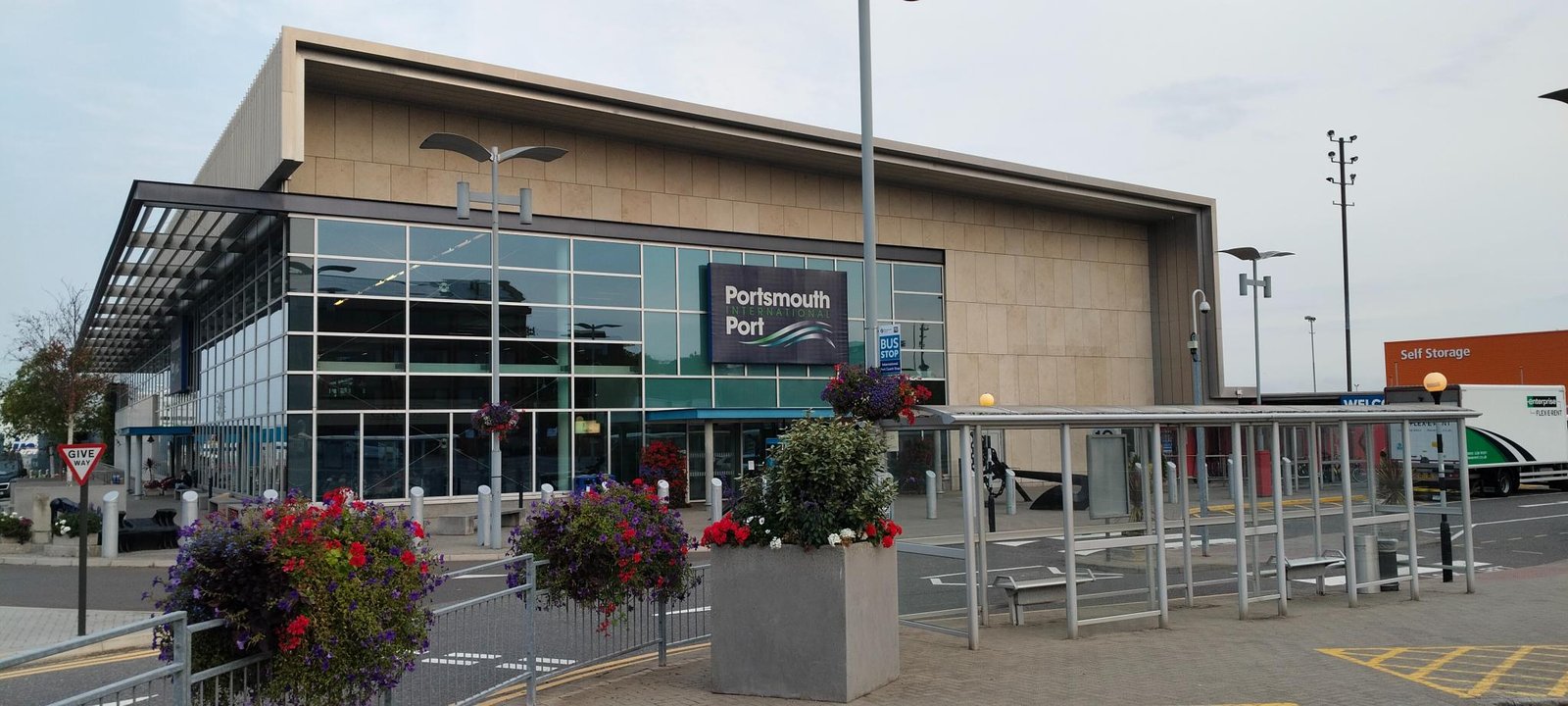
The terminal building was a different story, and the low point of our trip. From the outside it looks weathered, and inside it felt tired. The toilets we used were dirty and smelled strongly. Next to them stood two coffee machines. Upstairs there was a small, basic restaurant that looked rather temporary, and the Dunkerque duty-free shop, which did not feel like a bargain to us. This was one visit on one day, but it did not leave a good impression.
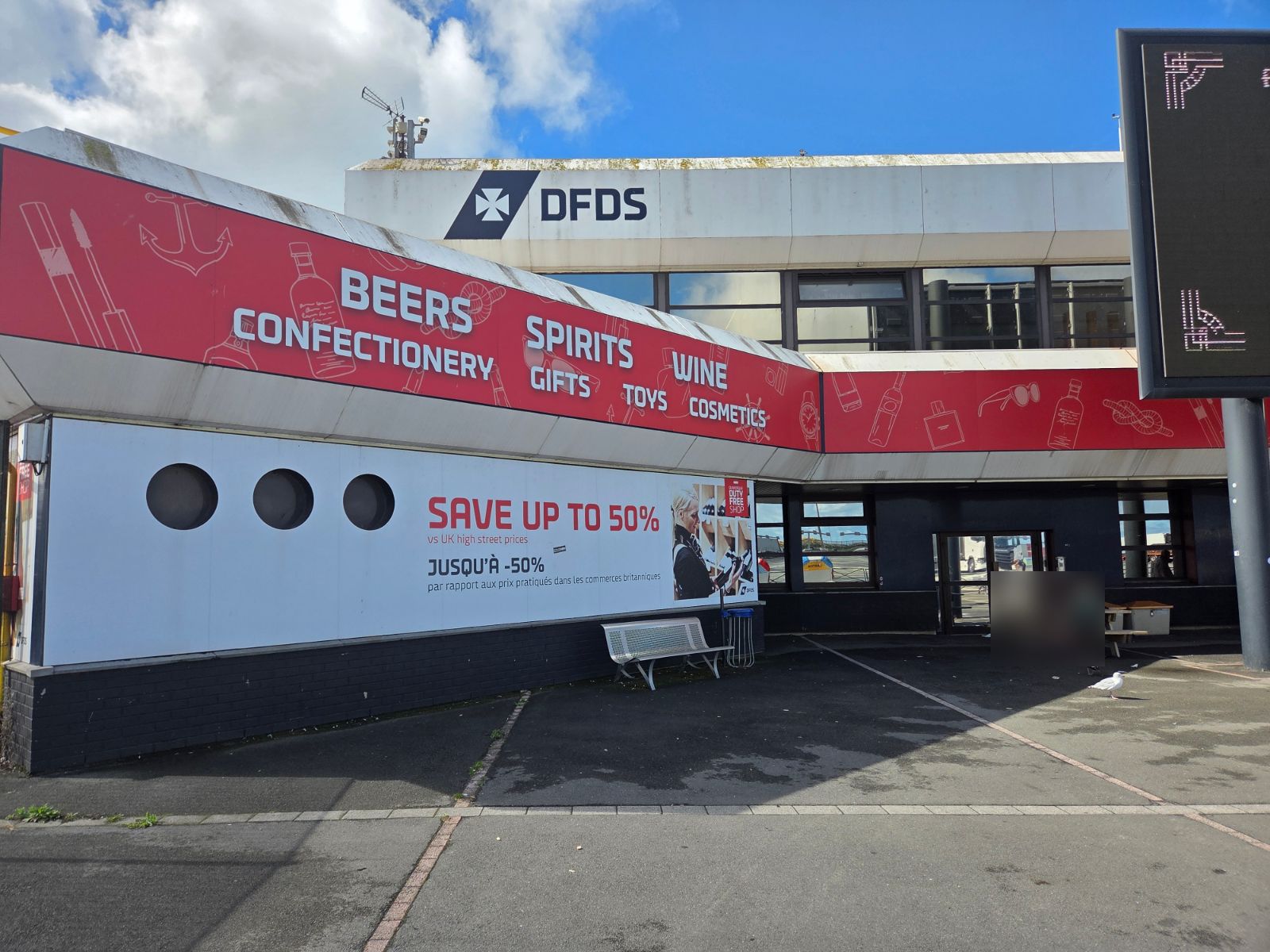
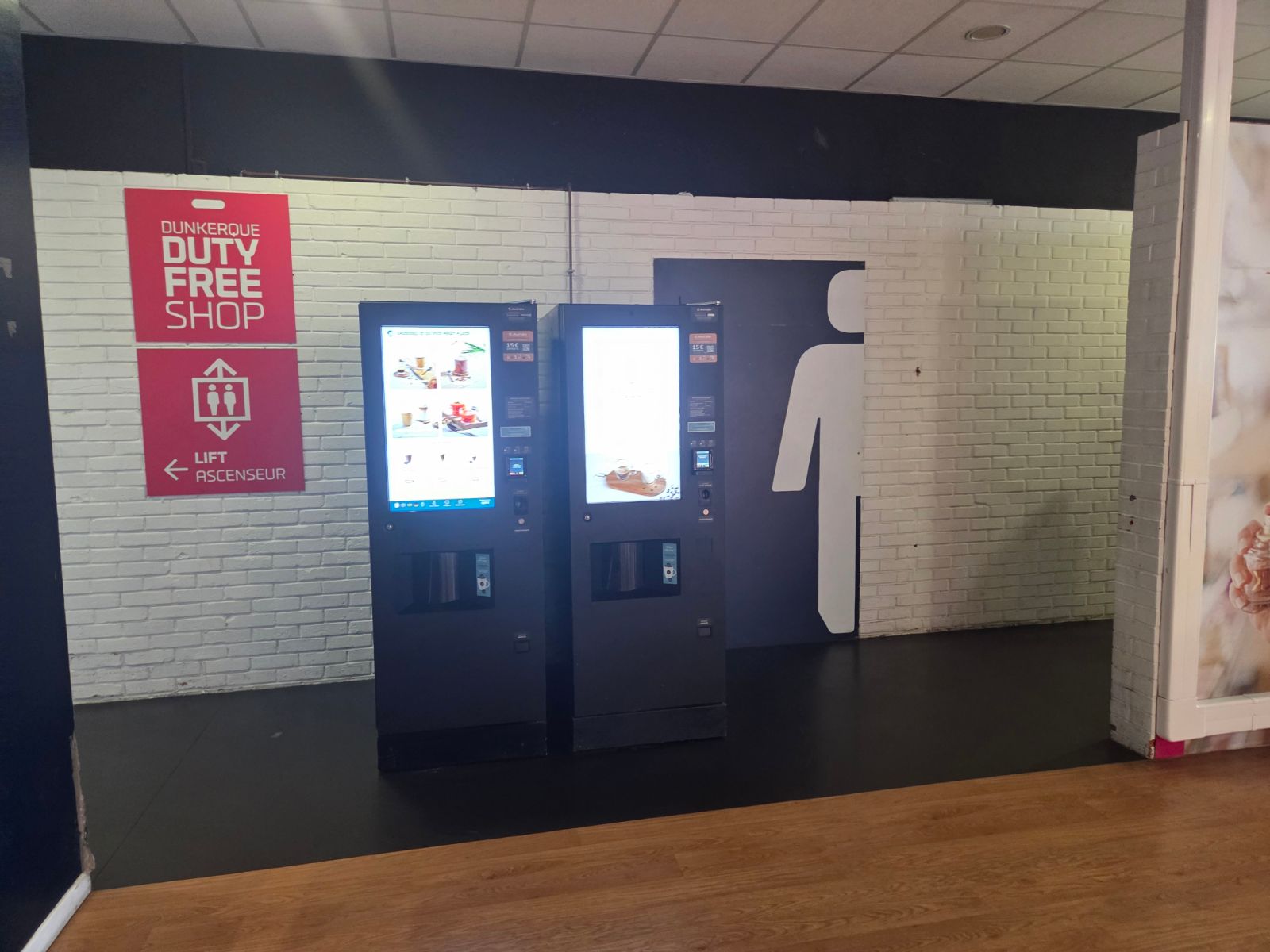
Next time, I would eat before reaching the terminal or bring something with me. It was not somewhere I wanted to spend much of the wait.
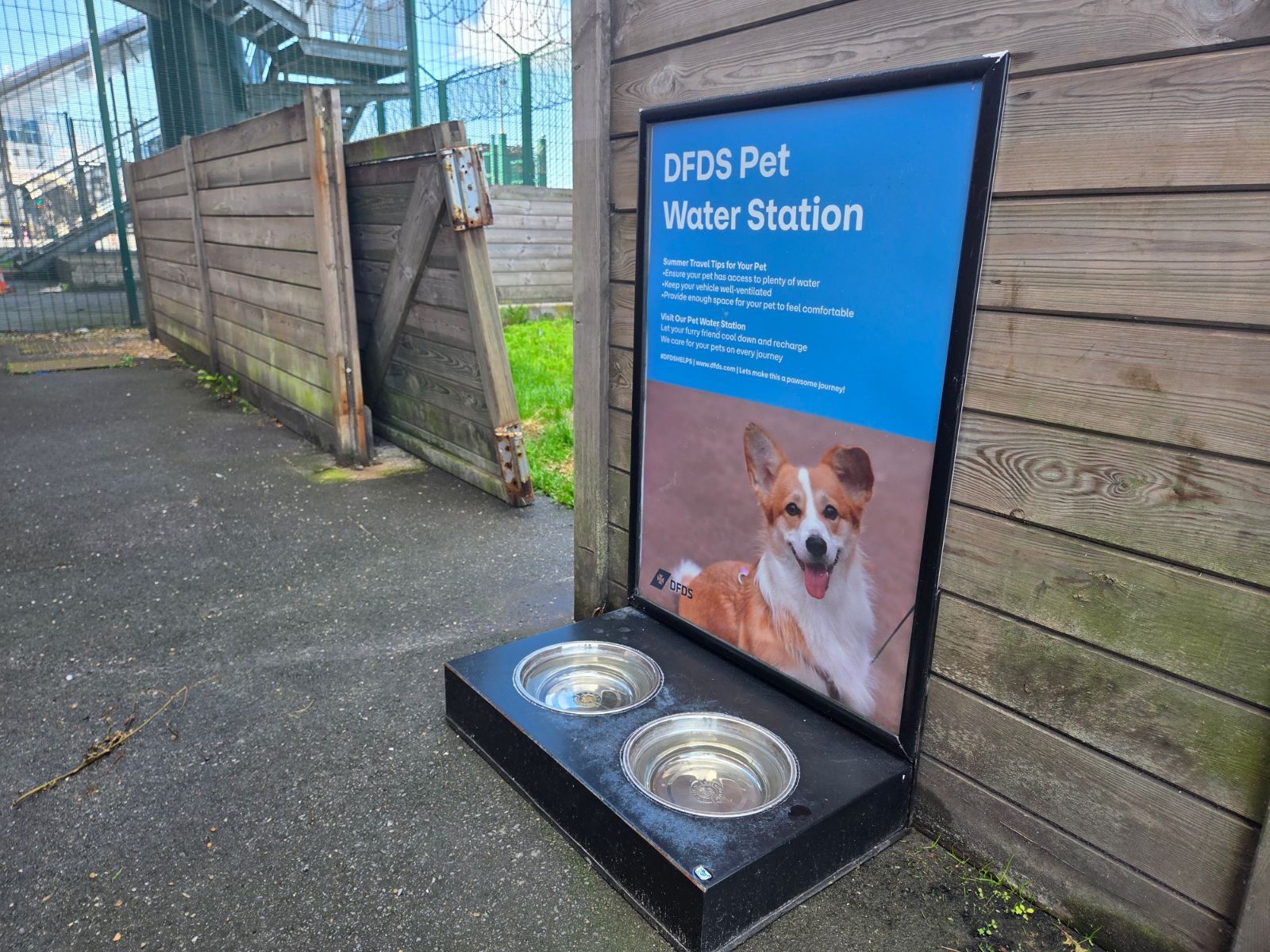
We also spotted a DFDS pet water station with two bowls outside the terminal, a useful detail if you are travelling with a dog.
Boarding was straightforward
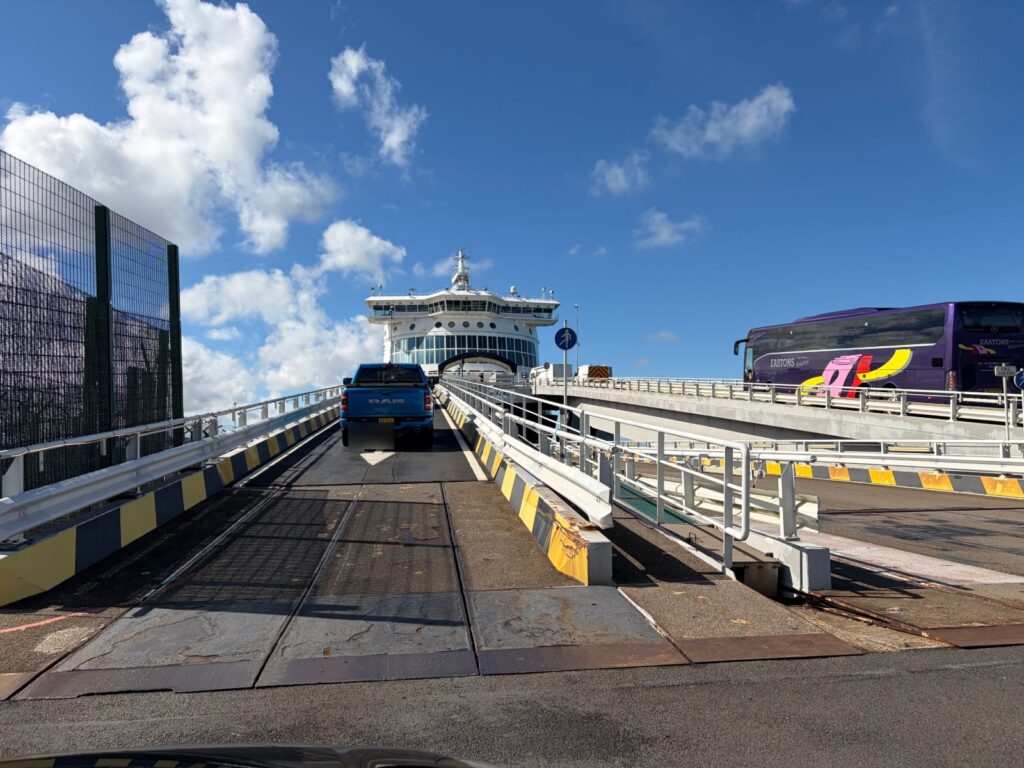
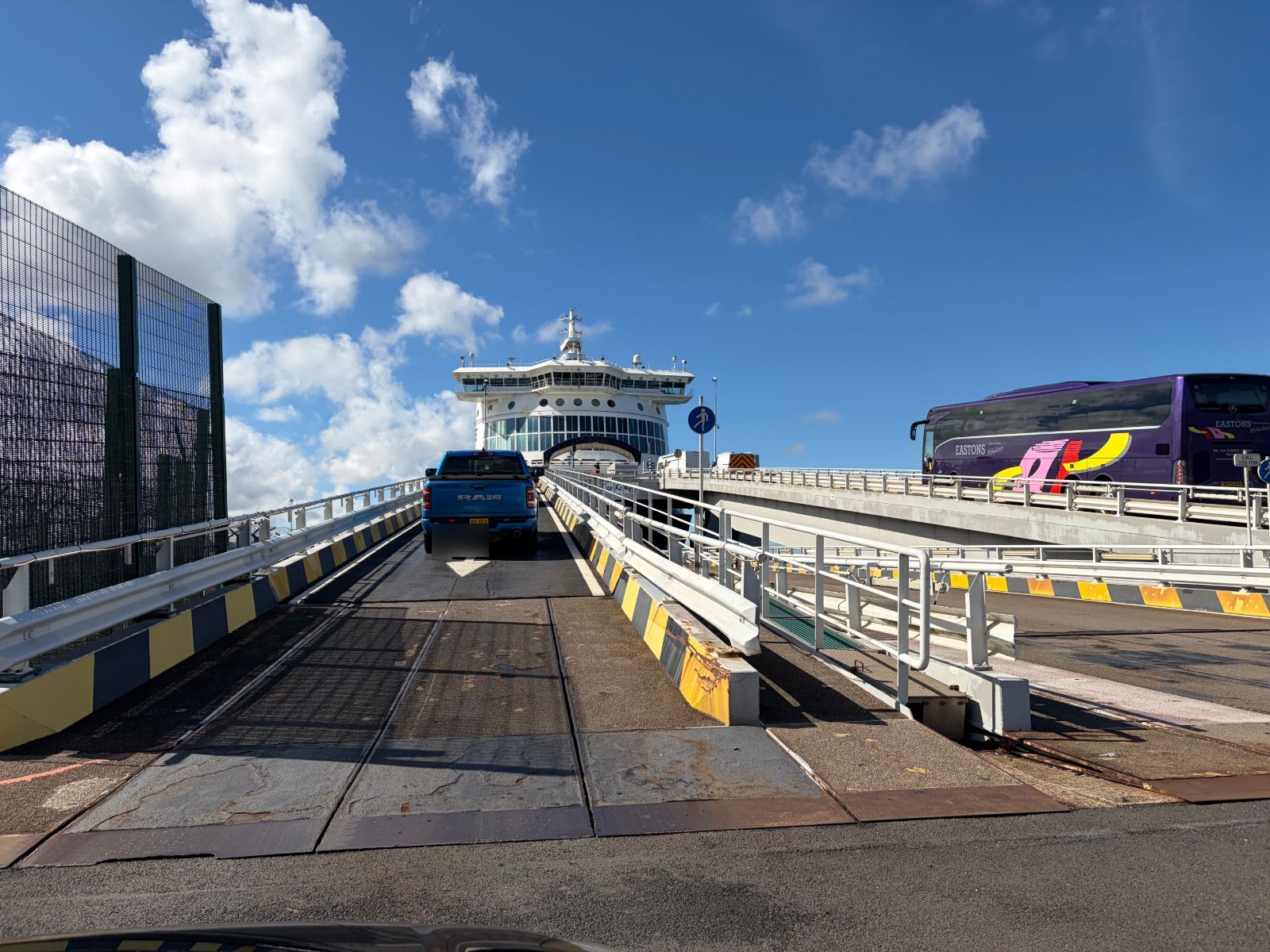
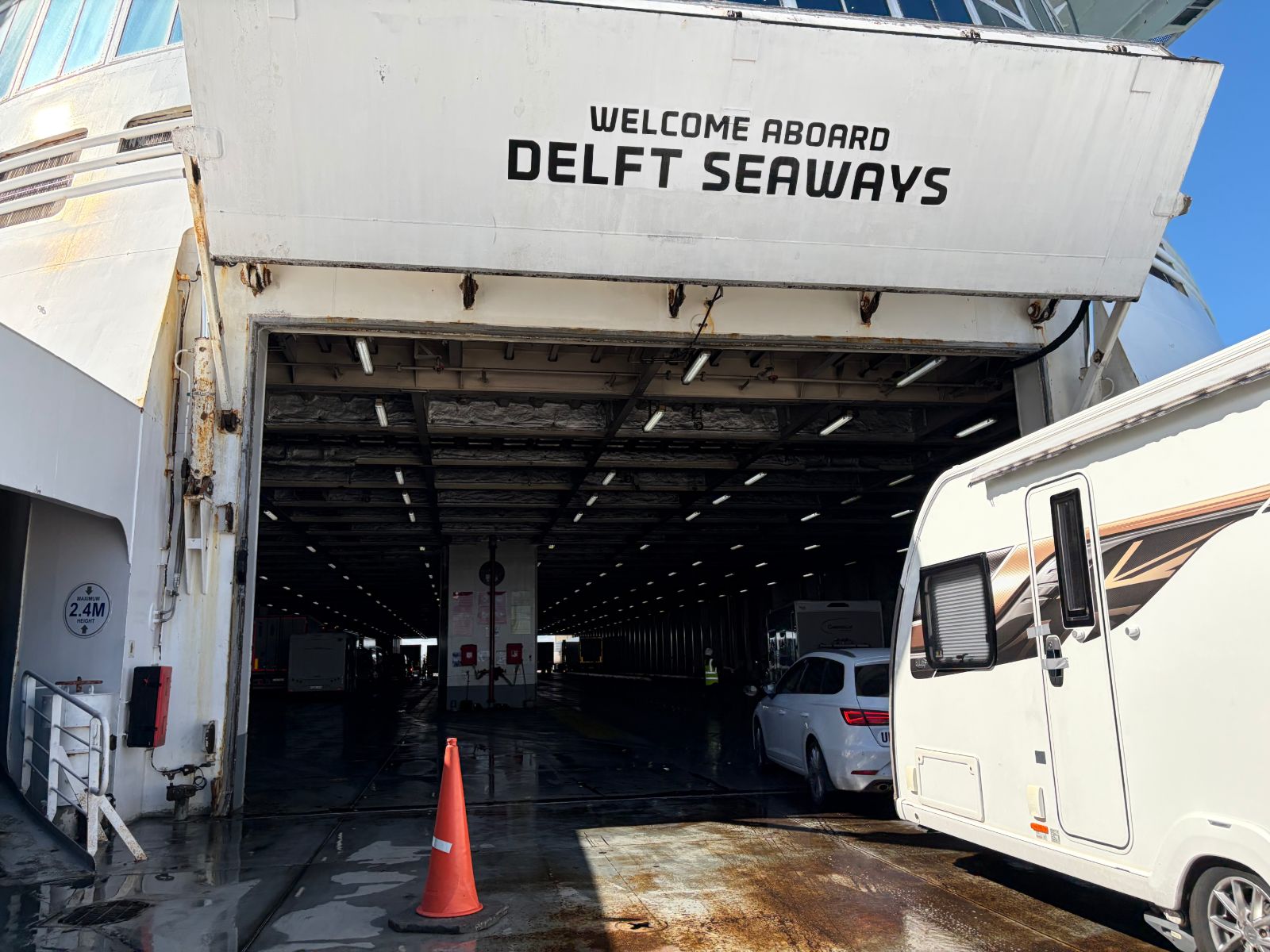
Once it was time to board, things improved quickly. Driving up the ramp and onto the car deck went smoothly and without fuss. That contrast stood out: I had been unimpressed by the terminal, but getting the car onto the ship was straightforward.
A long queue for fish and chips
The lanes were busy with coaches, motorhomes and caravans, and once on board it was clear how many coach passengers there were. Many passengers had vouchers for fish and chips, and the queue at the restaurant we tried barely seemed to shrink for much of the crossing. It was not the quick meal stop I had hoped for.
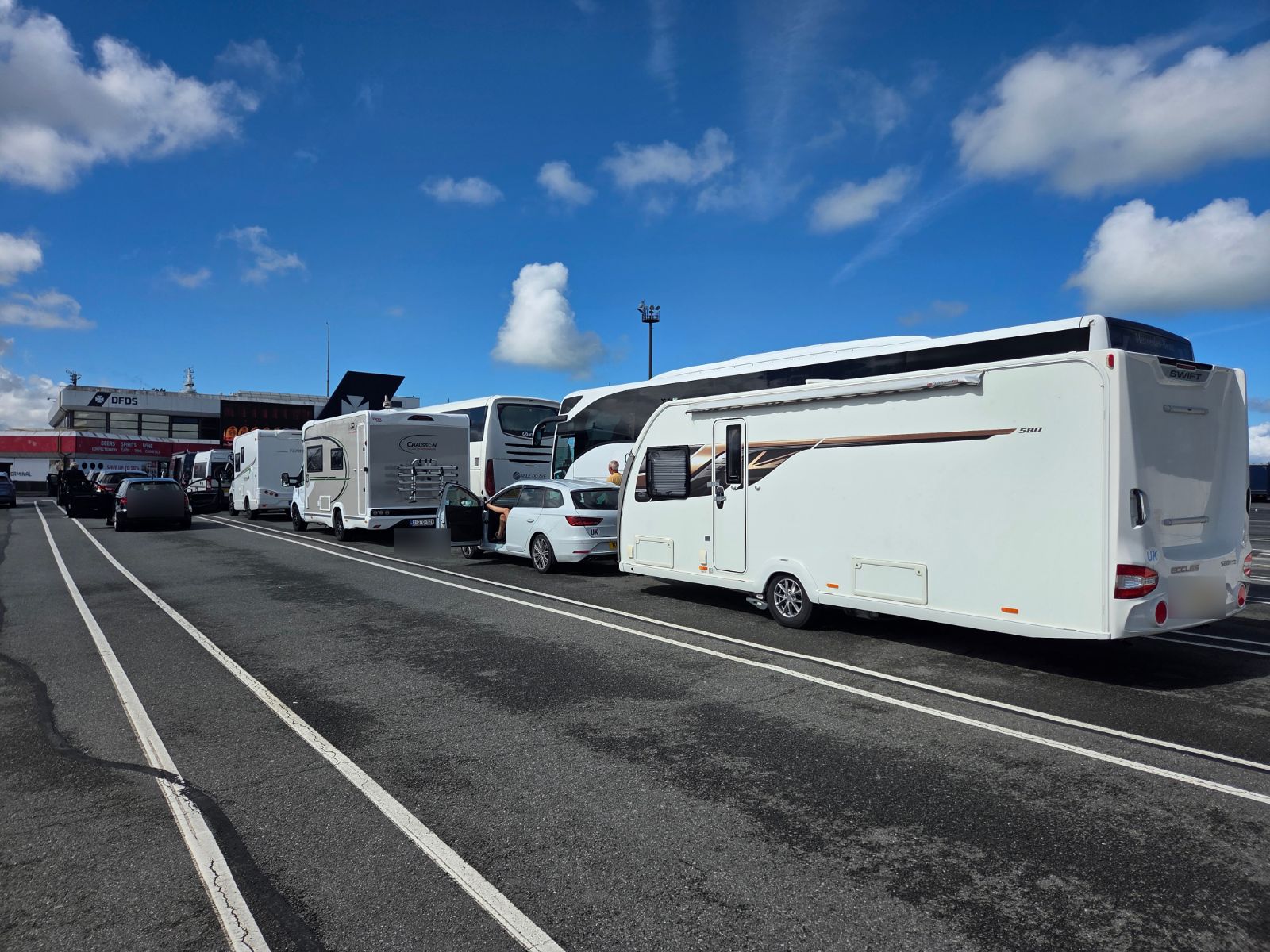
My tip would be to bring something to eat rather than rely on a quick hot meal, especially if there are several coach groups on your sailing. We found drinks elsewhere on board, so it is worth looking around before joining a long queue.
On board Delft Seaways
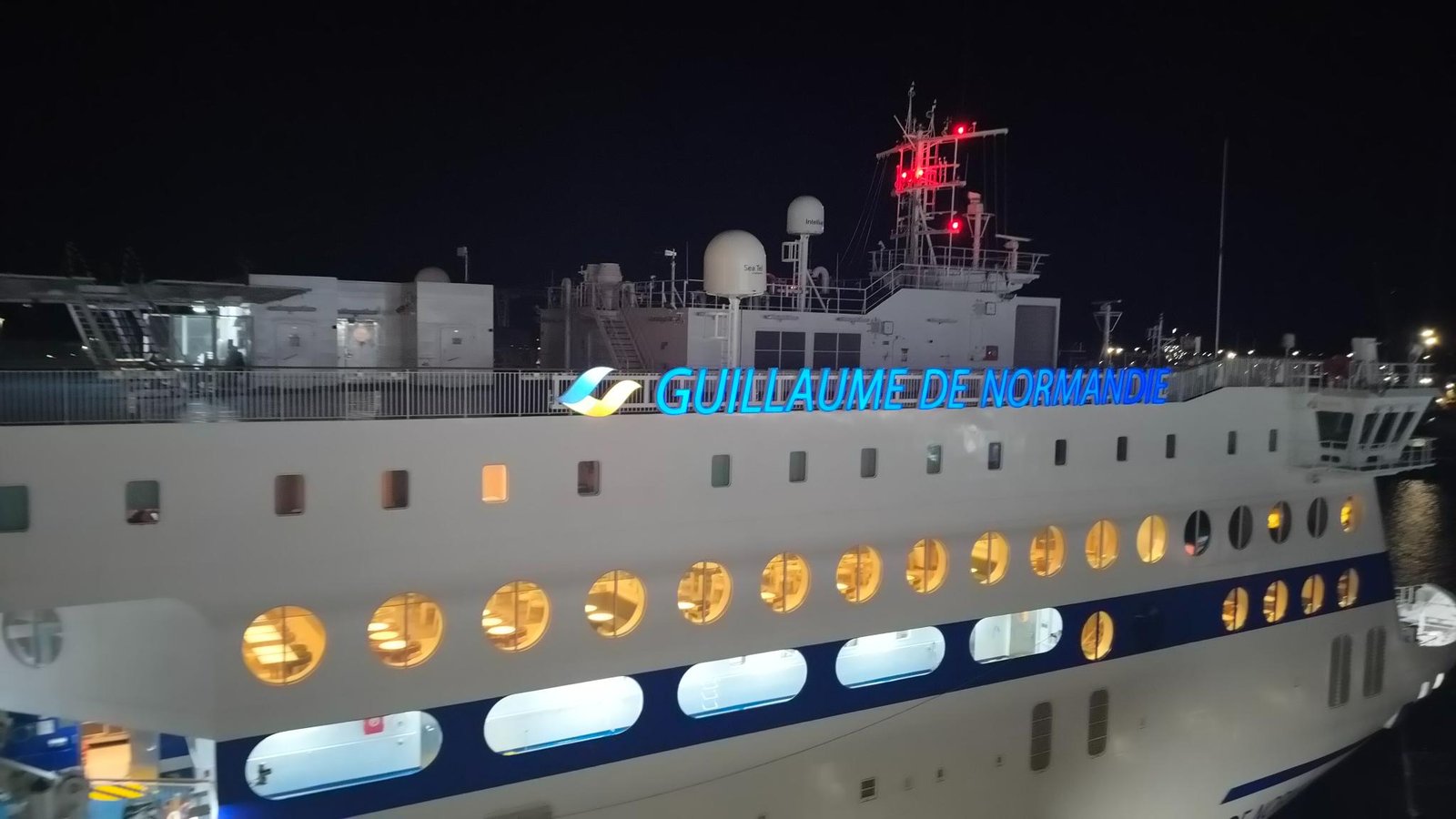
The passenger areas were clean, and some parts, such as the guest information desk, looked fresher than others. Signs pointed to the Seven Seas restaurant and to a premium and a relax lounge, which we did not use. We also spotted a small arcade corner.
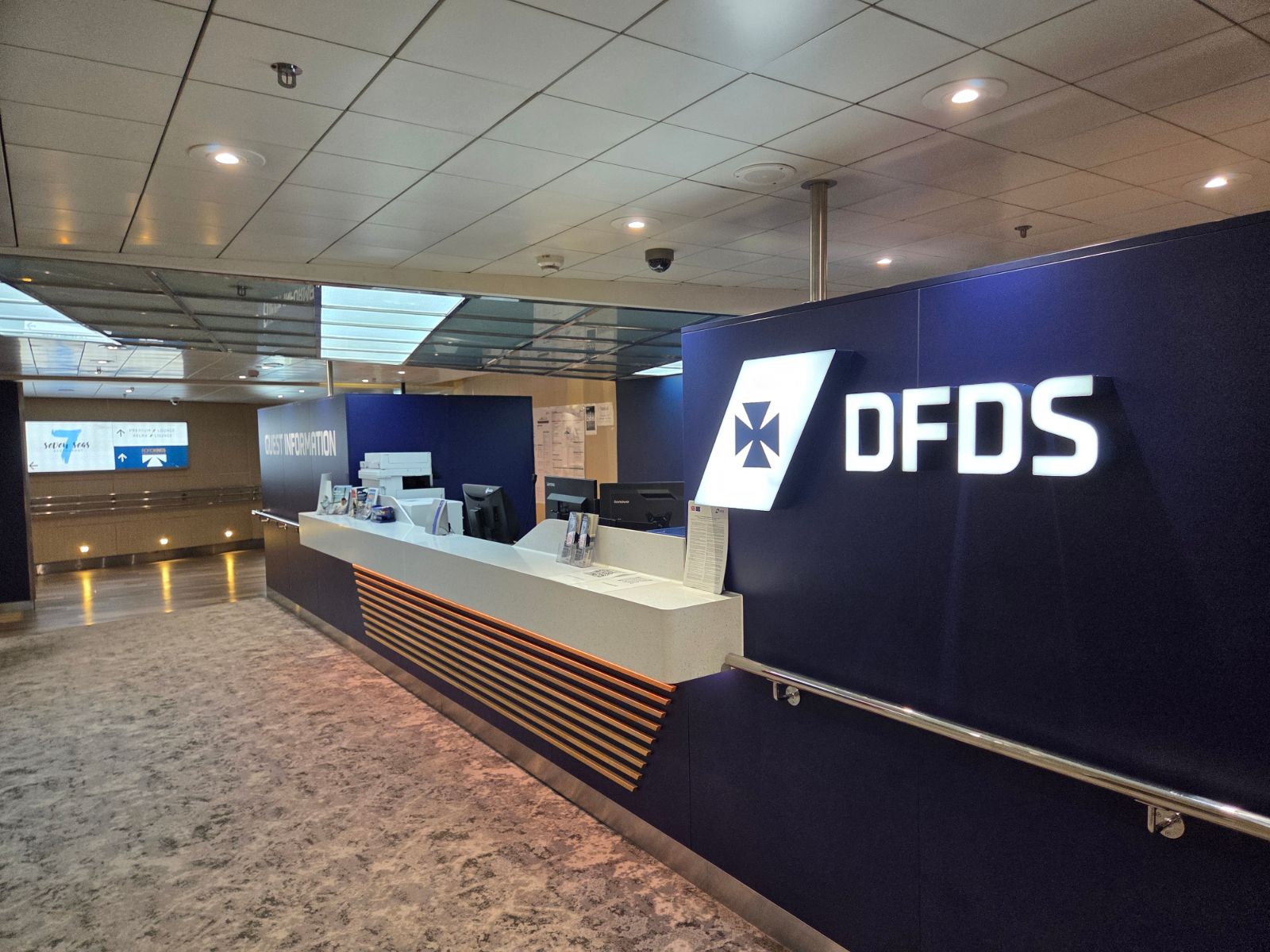
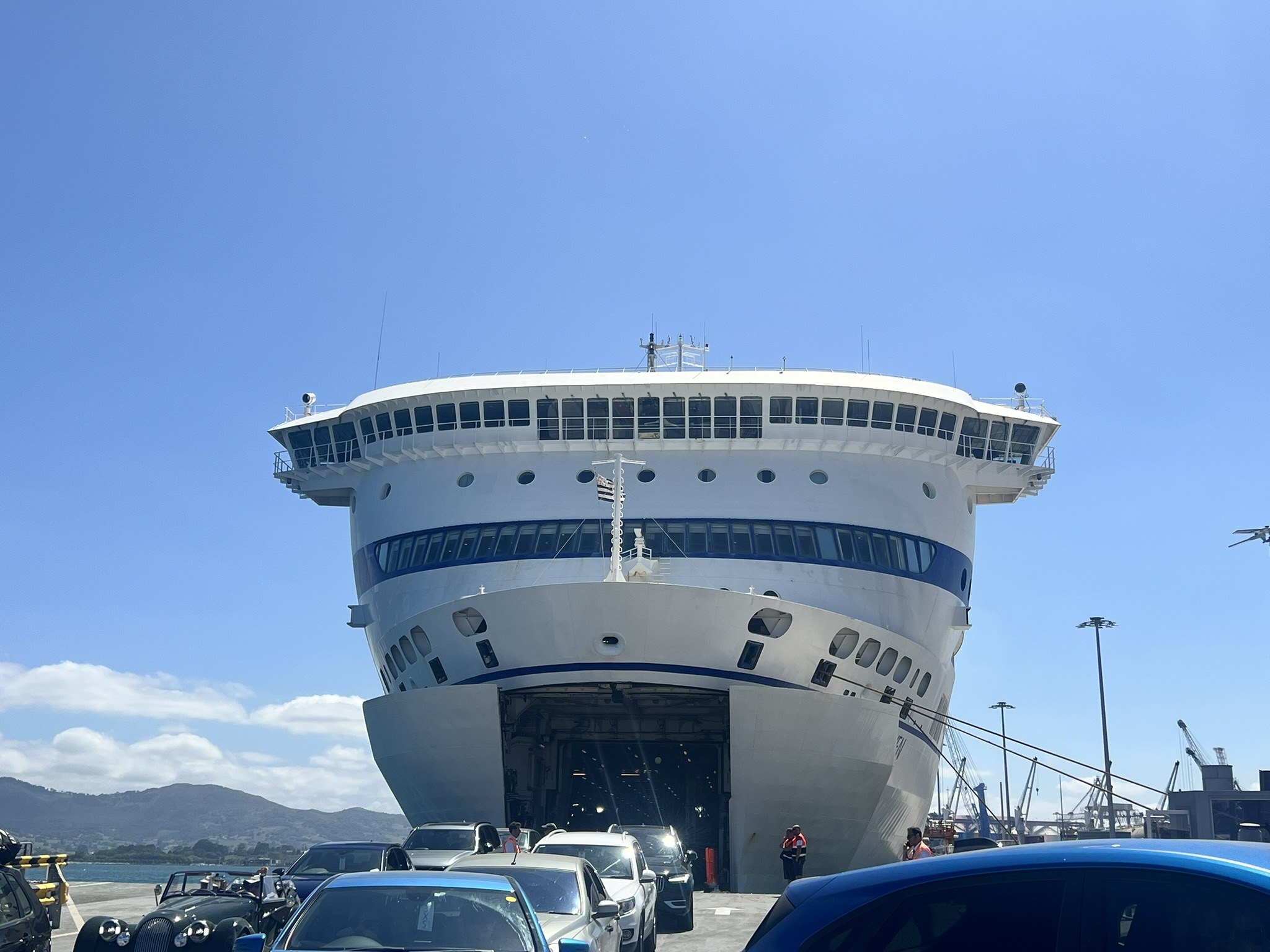
Overall, though, the ship felt dated to us. The interior did not have much of the holiday atmosphere I enjoy on a ferry, and outside there were visible signs of wear. Around the bow door, where you drive onto the car deck, there were clear rust streaks.
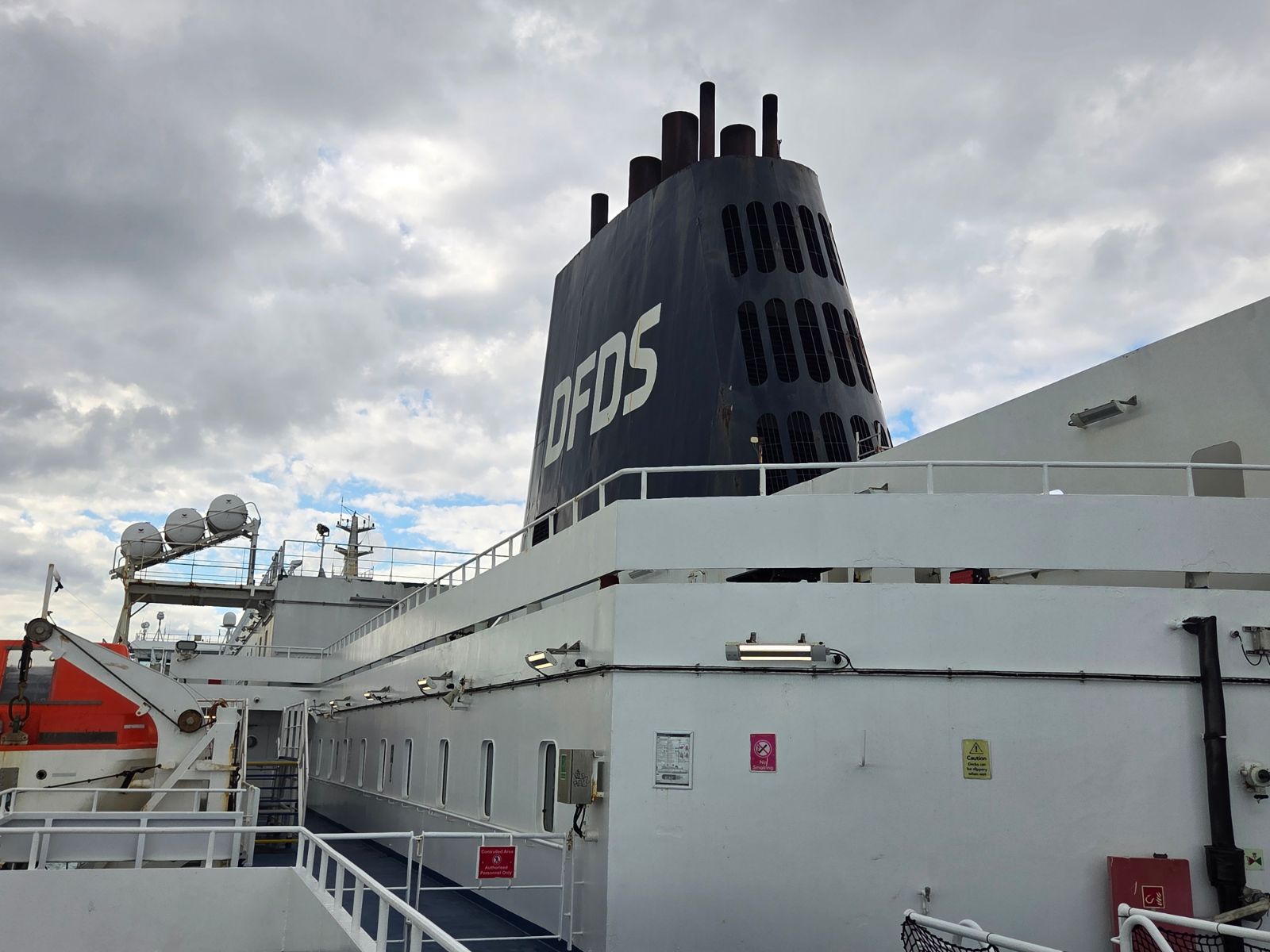
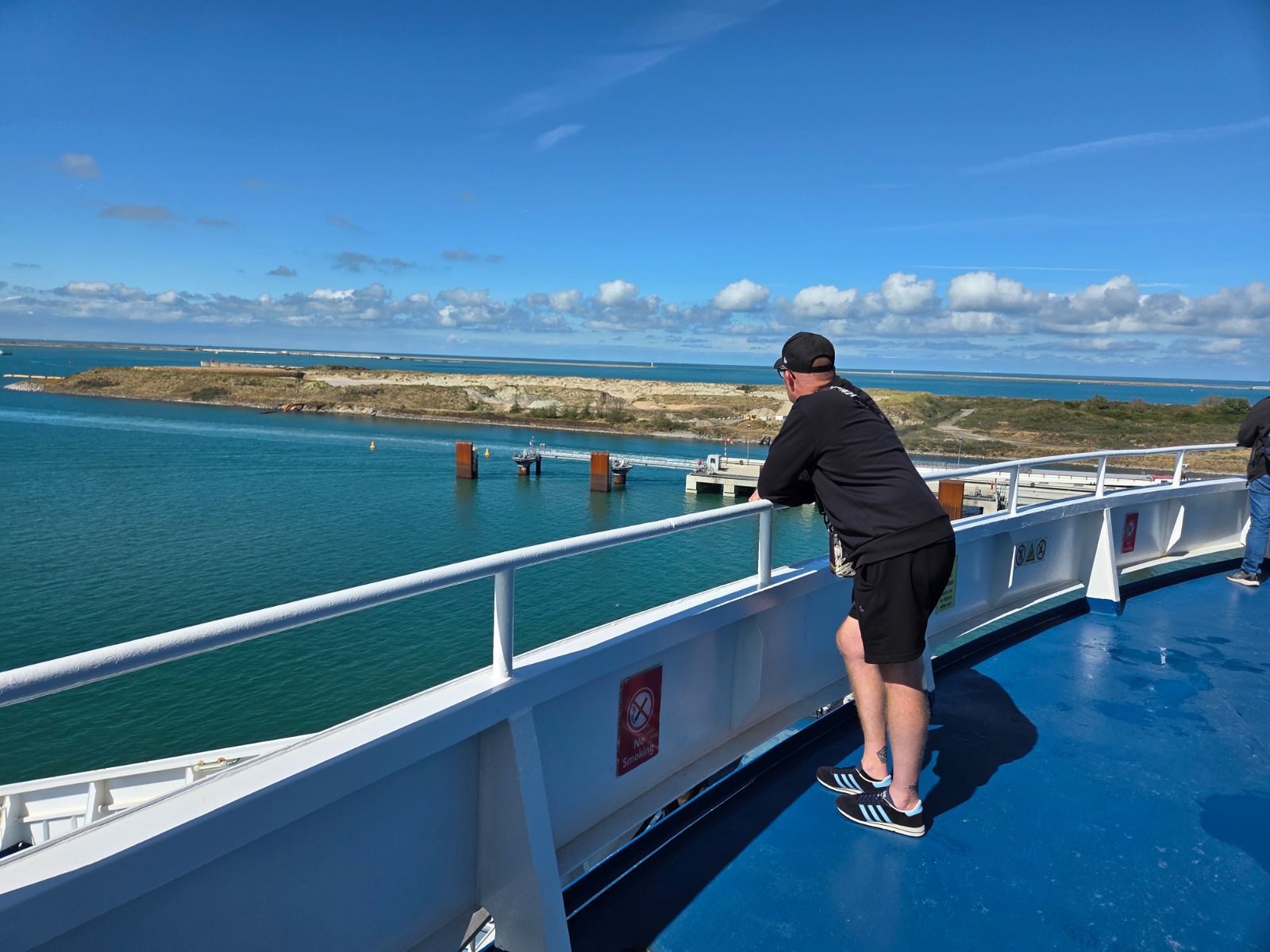
Out on the upper deck there were a few wet patches in places, so it is worth watching your step if you head outside.
A smooth crossing, with little holiday atmosphere
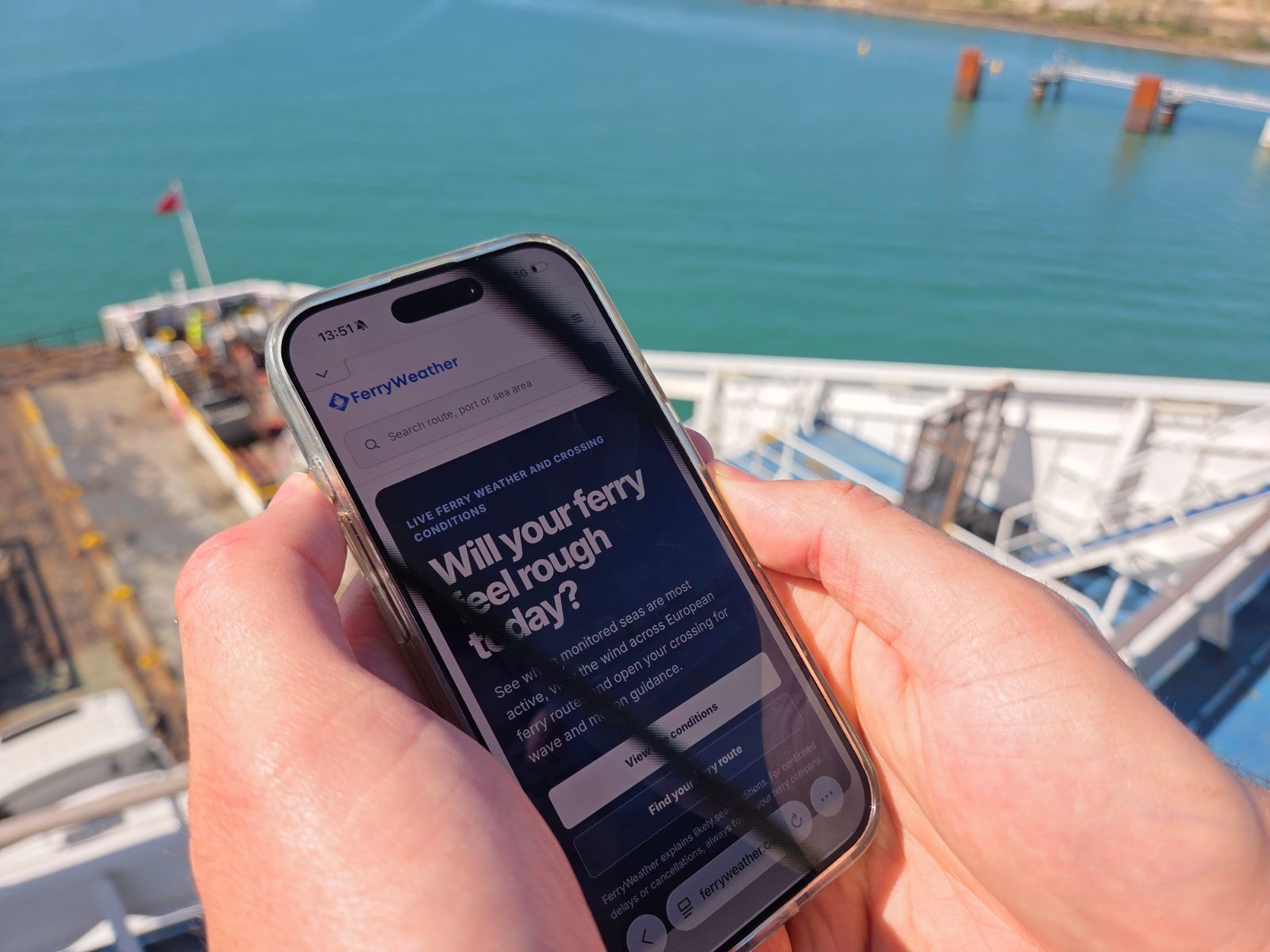
Just before departure we checked FerryWeather, our own sea-conditions tool. We left Dunkirk in sunshine, and the crossing itself was calm and smooth.
Still, the overall feeling was closer to public transport than to the start of a holiday. It got us across without fuss, and on a short sea crossing that is the main job. But if you hope the ferry will be part of the experience, this sailing did not quite deliver that for us.
Arriving in Dover
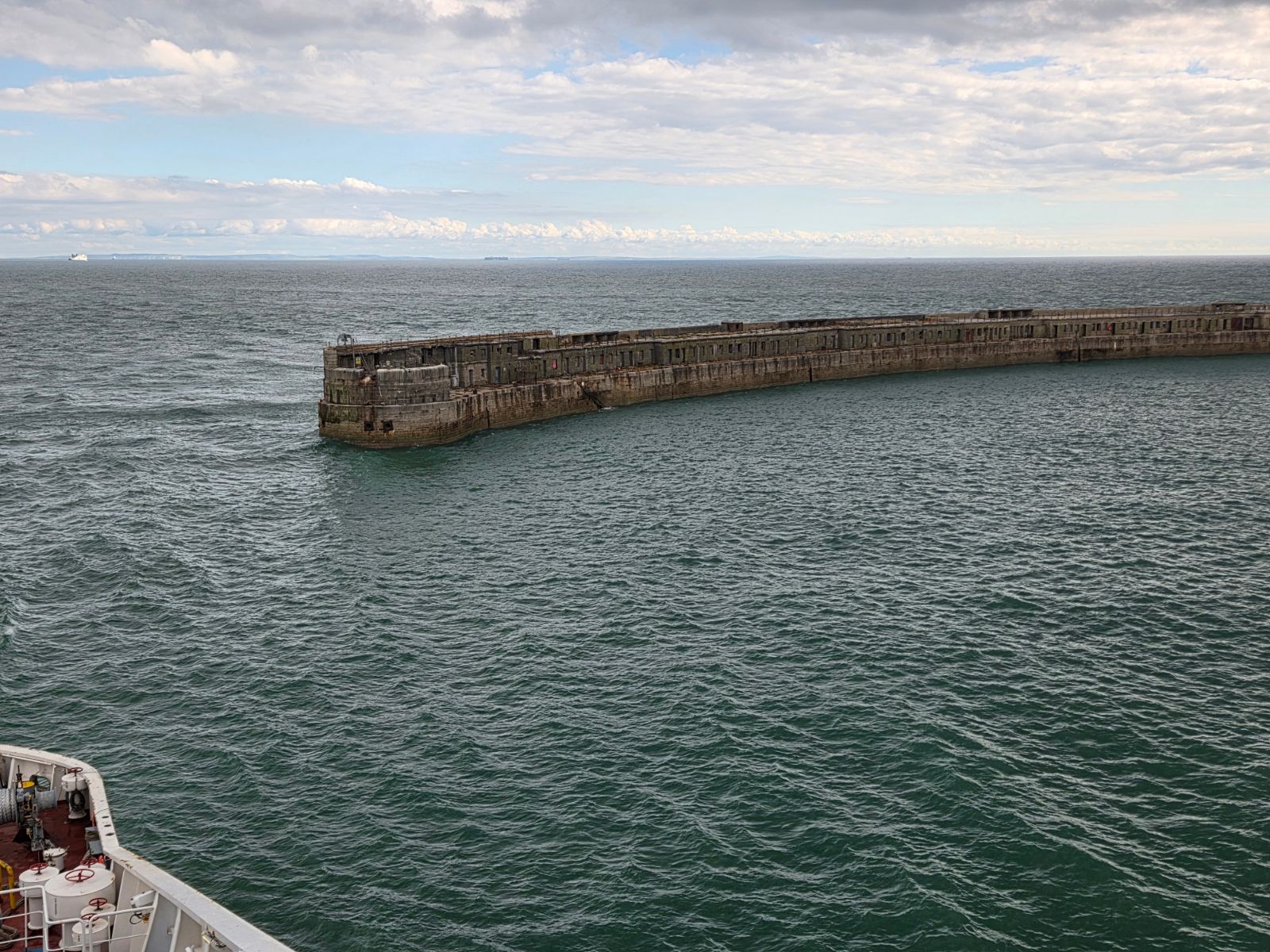
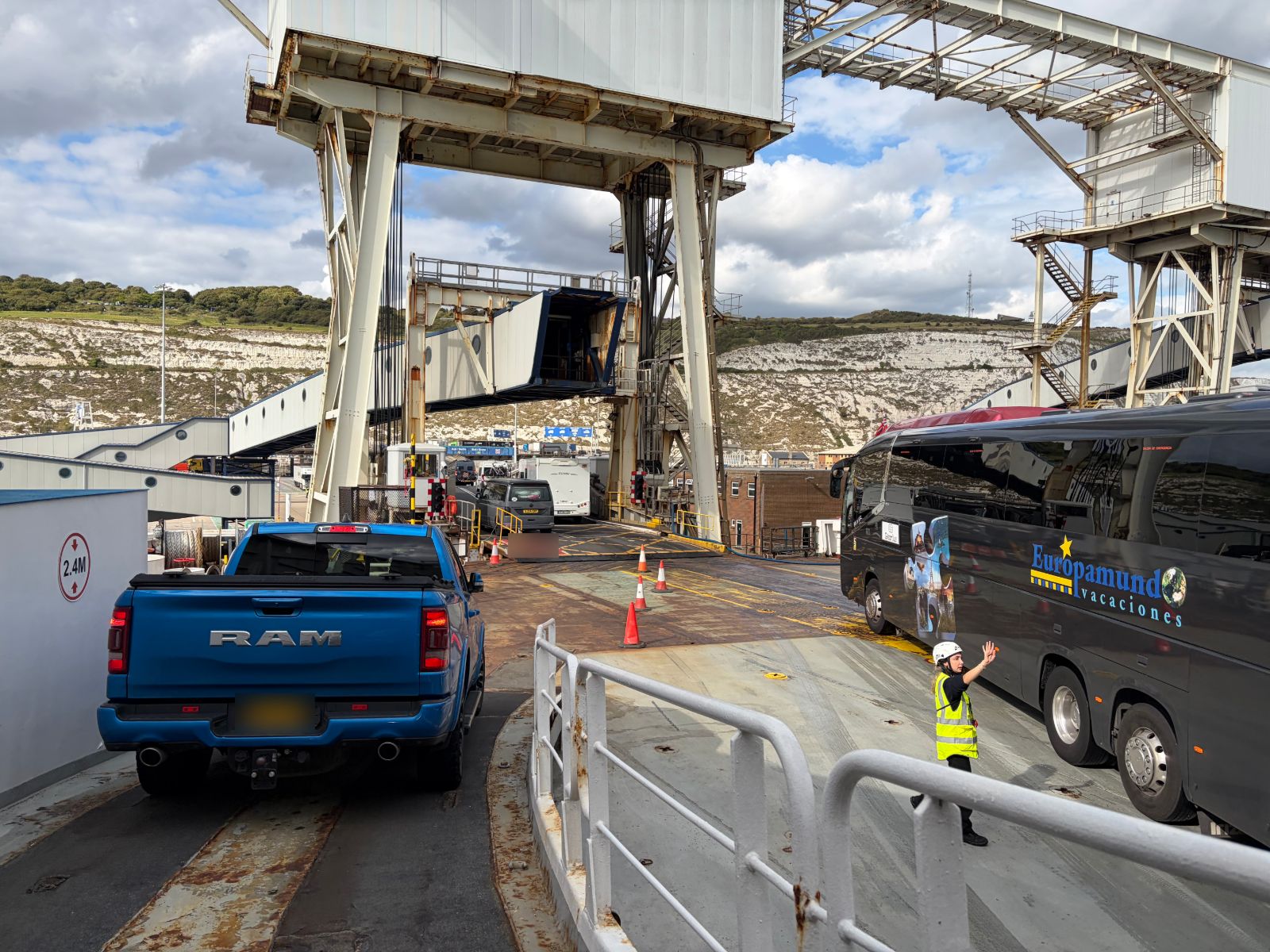
The approach is the part that still feels like an event: the long harbour wall, and the chalk cliffs rising behind the port as you drive off. Unloading went in an orderly way, with crew directing cars and coaches off the ship.
A stop in Canterbury after Dover
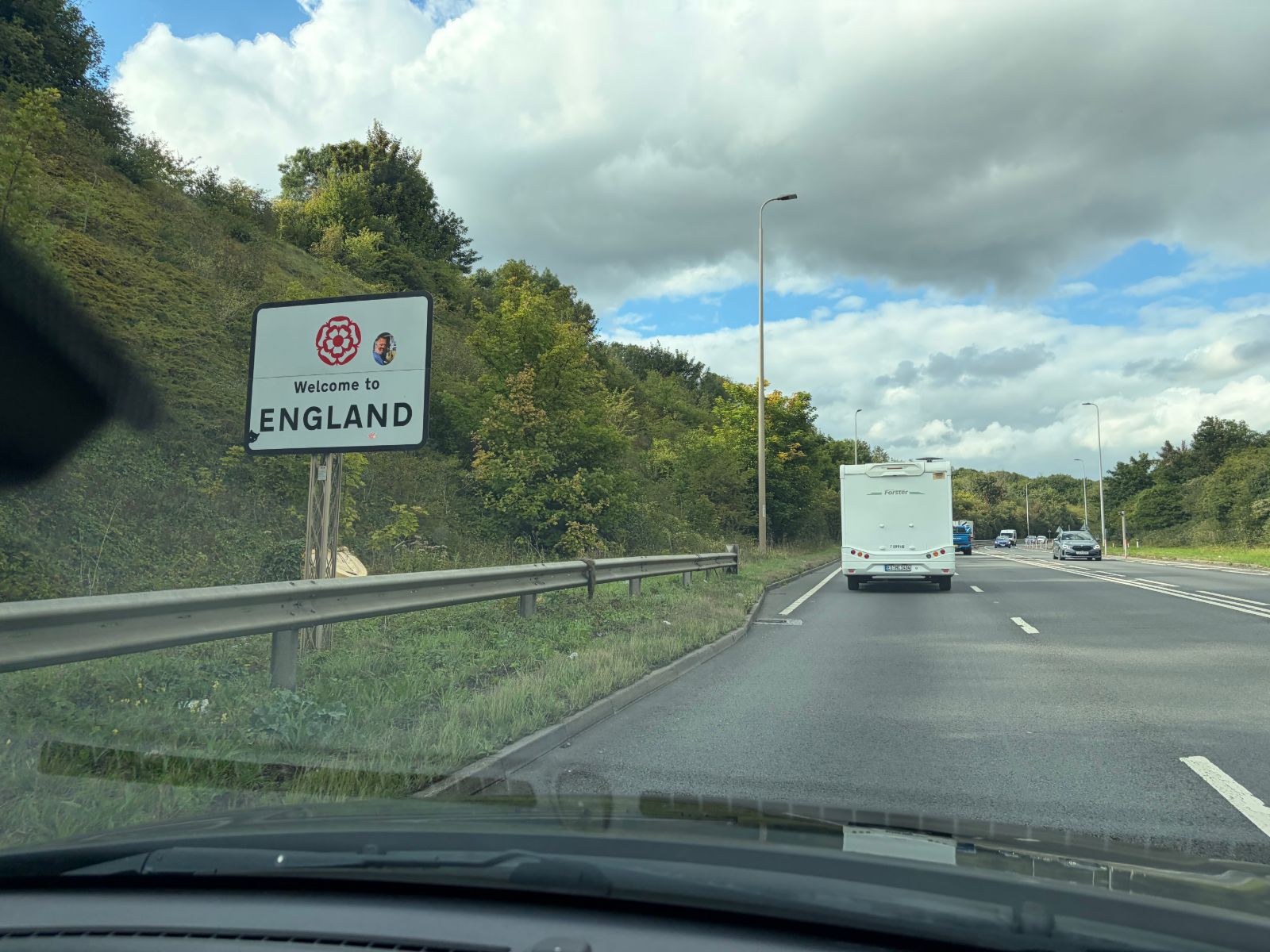
From Dover we drove on to Canterbury, and I really liked it. There were plenty of inviting places to eat and drink, and it had the English atmosphere I had been looking forward to. After the terminal and the food queue, it was a welcome place to stop and enjoy being away.
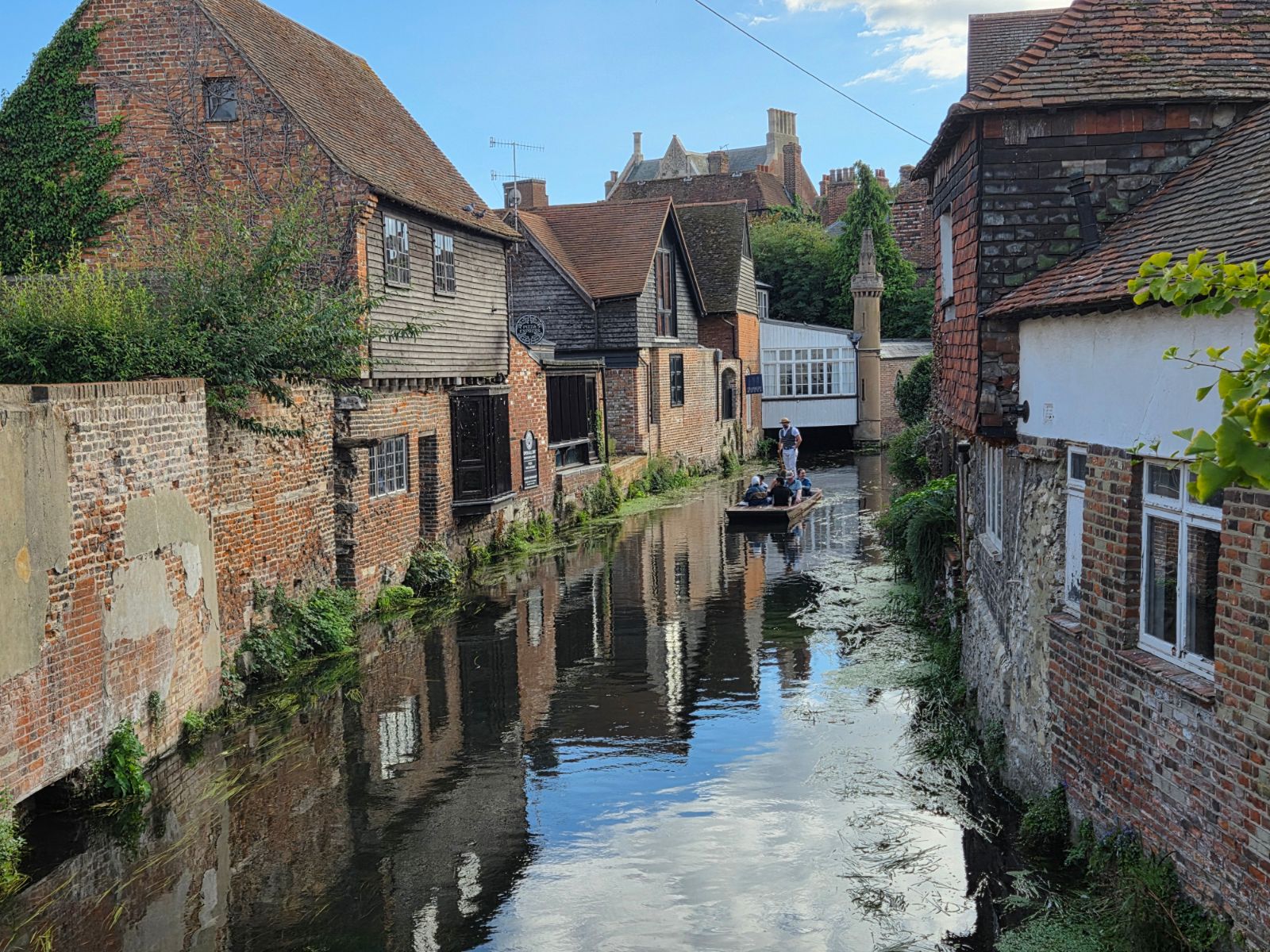
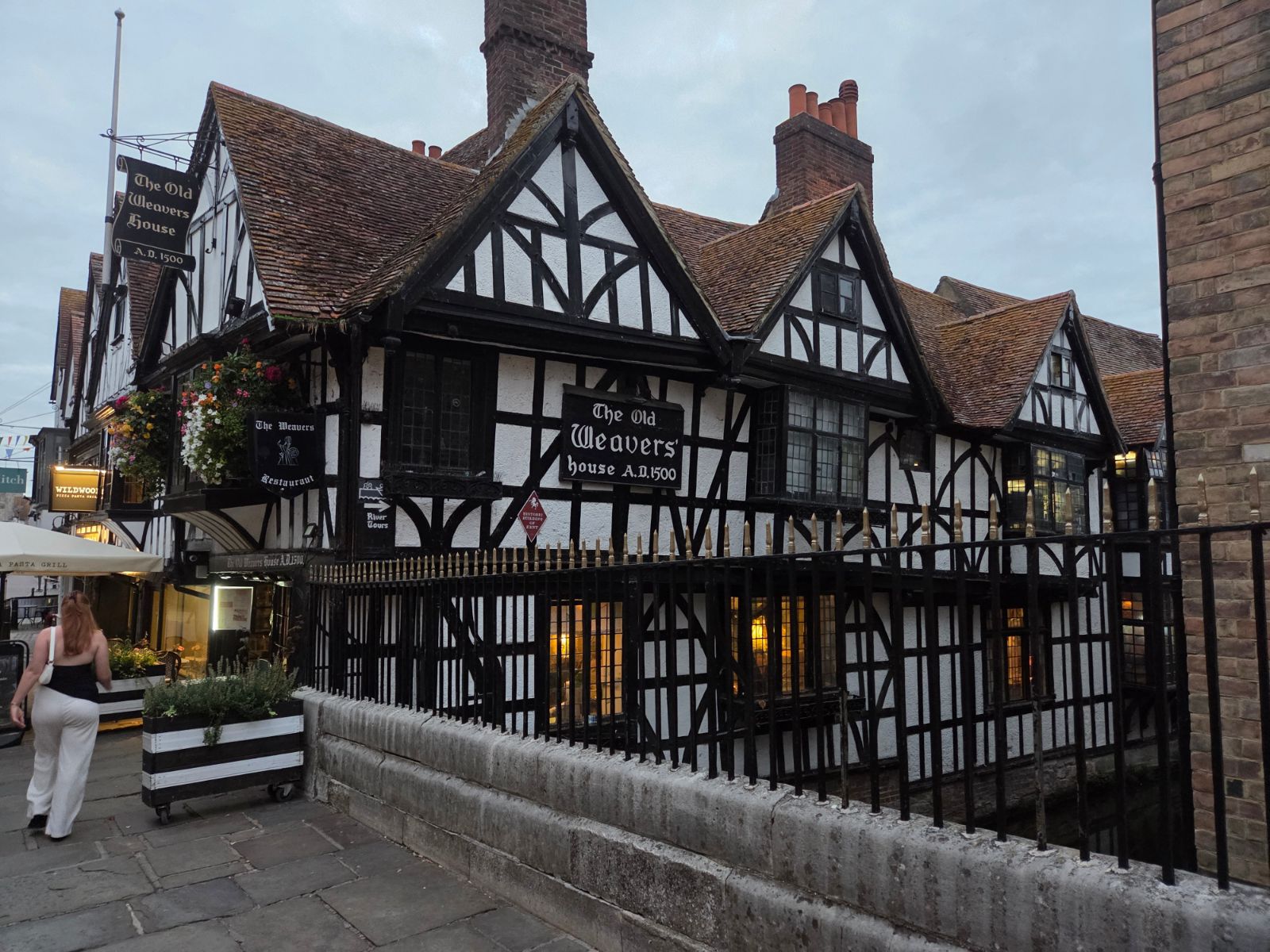
Canterbury will not be on everyone’s route out of Dover, but if you are heading towards London or further into Kent anyway, it makes a pleasant first stop on English soil.
Would we choose Dunkirk-Dover again?
For me, the reason to choose Dunkirk would be practical: the drive to the port, the fare and the departure time. Boarding went smoothly, and the crossing did what we needed it to do. The onboard experience would not be the reason I chose it, though. If you want the ferry itself to feel like part of the holiday, I would compare the alternatives before booking.
I would approach another trip differently: eat before reaching the terminal, bring a few snacks and leave time for a proper stop after Dover. Compare the drive and the sailing together when choosing between Dunkirk and Calais. Saving a little driving is useful, but it is only one part of the journey.
Get our latest ferry guides, route updates and travel tips in your Google feed. Add FerryGoGo as a preferred source in Google, and follow us in Discover when Google shows the option.