



✓ Plan and book your perfect crossing – simple, fast, and reliable | Explore Ferrygogo worldwide 🌐

Ferries to France from the UK

Popular crossings to France from the UK:

5h 45 mins.
112 miles
Up to 3 times per day
From: £126.00
Popular
1h 30 mins.
26 miles
Up to 35 times per day
From: £80.00

Ferry to France from the UK: cheapest, fastest and best overnight routes

Thinking about sailing from England to France? With 11 routes linking southern England to Hauts-de-France, Normandy and Brittany from ports such as Dover, Portsmouth and Plymouth, it’s easy to pick a crossing that fits your plans. All main UK–France ferries take vehicles, so bring the car, caravan or campervan and enjoy the flexibility of a road trip.

Use our route map and booking tools to compare your options side by side – from budget-friendly short-sea hops to overnight sailings with cabins. We also share firsthand tips and experiences from our own crossings to help you make informed choices.

Heads-up on price: the cheapest ferry ticket is not always the cheapest travel day. A low fare can disappear quickly once you add fuel, tolls, parking, extra driving time or a hotel stop. We would use the picks below as a starting point, then compare the routes that actually make sense from where you live.

Our straightforward top picks

  • If you want the shortest crossing: start with Dover ⇄ Calais. It is the obvious short-sea choice for many South East travellers, with a crossing time of around 90 minutes.
  • If you want a short crossing but a slightly different arrival: compare Dover ⇄ Dunkirk. It takes longer than Calais, but can work nicely for northern France, Belgium or onward routes towards the Netherlands.
  • If you want the easiest family overnight: look at Portsmouth ⇄ Caen. With the right sailing and a cabin, this can feel less like ‘lost travel time’ and more like starting the holiday on board.
  • If you want the best arrival experience: Portsmouth ⇄ Saint-Malo is hard to beat. You arrive near a beautiful walled town, with Brittany beaches, Cancale, Dinard and Mont-Saint-Michel all within reach.

Ferry to France – find your best route

From quick crossings to calmer night sailings. We have prefilled Portsmouth – Caen because it is such a strong all-round UK → France route.

Operator
Crossing time
Route style
Best for

Why this route often works well

    View route guide & tips
    We have sailed several of these routes ourselves. Prices go via trusted partners; guides stay on Ferrygogo.
    Ferrygogo tip: book earlier than feels necessary for summer, especially if you want a cabin or a specific sailing time.

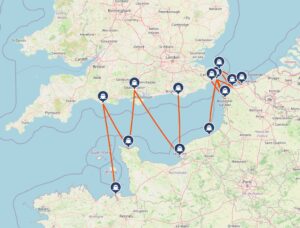
    Map: ferry crossings UK to France

    On our interactive map, you can find all ferry crossings to France from Britain. Click on the ferry ports for detailed route information.
    Popular
    1h 30 mins.
    26 miles
    Up to 35 times per day
    From: £80.00
    5h 45 mins.
    112 miles
    Up to 3 times per day
    From: £126.00
    11 Hours, 5h 30 mins.
    112 miles
    Up to 8 times per week
    From: £146.00

    In short: UK to France by ferry

    • Main UK departure ports: Dover, Portsmouth, Newhaven, Plymouth and Poole.
    • Main French arrival ports: Calais, Dunkirk, Dieppe, Cherbourg, Caen, Le Havre, Roscoff and Saint-Malo.
    • Fastest crossing: Dover ⇄ Calais, usually around 90 minutes.
    • Best for western France: Portsmouth, Poole and Plymouth routes can save a lot of driving if you are heading for Normandy, Brittany or further south.
    • Travelling with a car or camper: most UK–France ferry routes are built around vehicle travel, but enter the right vehicle size if you have a roof box, bike rack, trailer or campervan.
    • Foot passengers: check before booking. Newhaven ⇄ Dieppe accepts foot passengers, and Brittany Ferries allows foot-passenger booking on routes such as Portsmouth ⇄ Caen, but some short-sea Dover routes do not accept foot passengers.
    • Overnight crossings: book cabins early, especially in school holidays and on longer western routes.
    France & Spain deals

    About the crossings to France

    The most popular way to reach France by ferry  is the Dover to Calais route, it’s the shortest and fastest crossing between the two countries. However, it’s not the ideal choice for everyone. Many travellers prefer a longer sailing that takes them further south, or an overnight crossing for a more relaxed journey. On these night routes, you can enjoy dinner on board, sleep in a private cabin, and wake up in France ready to start your day. Brittany Ferries operates several comfortable overnight crossings to Normandy and Brittany – with the Portsmouth to Caen route being the most popular alternative to Dover-Calais.

    With so many routes and operators between Britain and France, we’ll start by highlighting the key perks of each option before diving into the details of individual crossings.

    • Ferries from Dover to Hauts-de-France are the shortest and most affordable.
    • Ferries to Normandy ports (Cherbourg, Caen, Le Havre, and Dieppe) offer longer crossings but take you further south in France.
    • Arrival ports Le Havre and Dieppe are close to Paris.
    • Cherbourg and Caen are convenient for journeys to southern France.
    • Ferries to Brittany are typically overnight crossings

    Must-knows before booking a ferry to France

    Before you pick a route, look beyond the sailing time alone. The best ferry to France is often the one that gives you the easiest full travel day, not just the shortest crossing.

    • Dover is fast, but not always the best travel day: Dover ⇄ Calais and Dover ⇄ Dunkirk are great short-sea routes, especially from the South East. But if you live further west, or you are heading for Normandy, Brittany or the south of France, a western ferry can sometimes save a lot of driving.
    • Western routes can replace road miles: crossings from Portsmouth, Poole or Plymouth take longer on the water, but they can put you much closer to Normandy, Brittany or western France. That can be a better fit than driving all the way to Dover first.
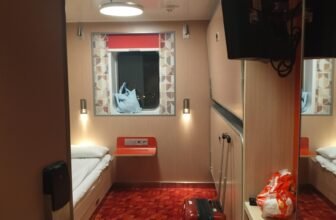
    • Overnight ferries are part of the journey: on routes such as Portsmouth ⇄ Caen, Portsmouth ⇄ Saint-Malo or Plymouth ⇄ Roscoff, a cabin can turn the crossing into a useful hotel night at sea. With children, we would book cabins early rather than leaving it to the last minute.
    • Not every route works for foot passengers: some crossings are mainly built around cars, while others are easier without a vehicle. DFDS, for example, does not take foot passengers on Dover ⇄ Calais or Dover ⇄ Dunkirk, while Newhaven ⇄ Dieppe does allow foot passengers.
    • Check your vehicle details carefully: roof boxes, bike racks, trailers, caravans and campervans can affect the fare and the space needed on the car deck. It is better to enter the right dimensions when booking than to fix it at the port.

    Which ferry to France suits your trip?

    Answer four short questions and we will point you to the route that feels most sensible, not just the shortest on paper.

    1. Day route or proper overnight?

    2. Where are you starting from?

    3. Where are you roughly heading?

    4. What matters most?

    Best match

    View route guide & tips
    Strong alternative option

    Ideal for: sometimes the better route is the one that gives you the calmer travel day, not just the shortest crossing.

    Ferry crossings to France from Britain sorted by region (in France)

    Explore all the ferry routes to France, grouped by region so you can easily find the one that fits your trip.

    The Strait of Dover Ferries between France and the UK

    The ferries from Dover operate frequently and are quite similar in terms of price and speed. We've tested them all, and thanks to their new ships, we found that P&O provided the best overall quality and comfort experience.

    Strait of Dover crossings, in short:

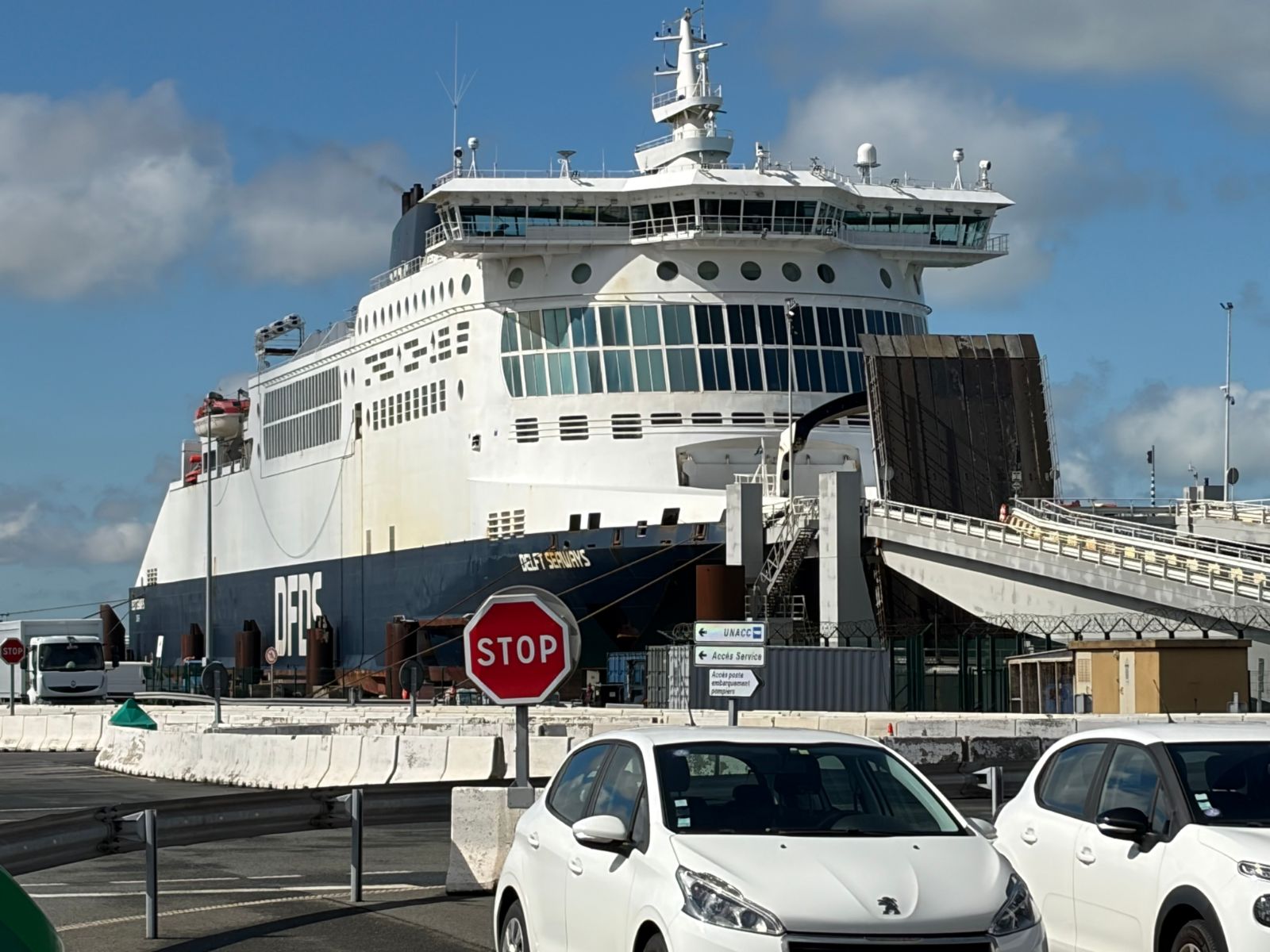
    • Dover to Calais: 3 companies – over 30 sailings daily – 90-minute crossing.
    • Dover to Dunkirk: 1 ferry company – up to 8 sailings daily – 120-minute crossing
    Popular
    1h 30 mins.
    26 miles
    Up to 35 times per day
    From: £80.00

    Dover-Dunkirk

    2 Hours
    47 miles
    Up to 8 times per day
    From: £81.00
    1h 30 mins.
    26 miles
    Up to 35 times per day
    From: £80.00

    England to Normandy ferries

    The ferry services to Normandy arrive in Dieppe, Le Havre, Caen, or Cherbourg. While the journey is longer than the Dover-Calais or Dover-Dunkrik route, it’s shorter than the crossings to Brittany. Normandy provides a convenient entry point into northern France, making it an excellent choice for further travel within the region or beyond.

    Brittany Ferries crossings in short:

    • Portsmouth – Caen: Brittany Ferries’ most popular crossing – day or night options – is approximately a 6-hour crossing. 3 daily sailings.
    • Portsmouth – Le Havre: daily sailing – 6 hours – day crossing.
    • Portsmouth to Cherbourg: Day and night crossings are available. This is also an ideal route for travelling to the south of France.
    • Looking for all the crossings from Portsmouth to France?
    5h 45 mins.
    112 miles
    Up to 3 times per day
    From: £126.00
    5h 30 mins.
    106 miles
    Up to 5 times per week
    From: £77.00
    6 Hours, 8 hours
    84 miles
    Up to 3 times per week
    Night crossing available
    From: £99.00
    4 Hours
    78 miles
    Up to 4 Times p/day
    Night crossing available
    From: £75.00
    4h 30 mins.
    77 miles
    Up to 1 time per day
    From: £121.00

    England to Brittany ferries

    The crossings to Brittany are relatively long crossings on cruise ferry ships, offering a comfortable option for several types of travellers. Among the ferries to Brittany there are 

    • Those from Cornwall, Dorset, Somerset, the Greater London area, and, for example, Devon, heading to France. You can also find more information on the pages with ferries from Portsmouth to France and ferries from Plymouth to France.
    • Travellers specifically visiting Brittany / Saint Malo
    • People who prefer a longer overnight crossing can continue their journey in France well-rested the next day.
    • These routes are ideal for exploring France and beyond with the flexibility of your vehicle/car.
    • The new ferry from Plymouth to Saint Malo is now also added.
    11 Hours
    156 miles
    Once per day
    Night crossing available
    From: £165.00
    12 Hours, 6h 20 mins
    143 miles
    Up to 4 times per week
    From: £184.00
    11 Hours, 5h 30 mins.
    112 miles
    Up to 8 times per week
    Night crossing available
    From: £146.00
    12 Hours
    150 miles
    Up to 2 times per week
    Night crossing available
    From: £165.00

    Brittany Ferries: what to book (cabins, tickets & upgrades)

    Not sure what to book on Brittany Ferries? We’ve bundled the essentials into one simple guide: which cabin (or seat/lounger) fits your crossing, what the real difference is between Economy, Standard, and Flexi, and which upgrades (lounges, dining, food options) are actually worth it – and which you can skip. You’ll find the full cabins, tickets, and upgrades guide here.

    Tip: on day sailings, it’s mainly about comfort; on overnight crossings, a cabin can make the whole trip.

    Before you board: our ferry travel experiences

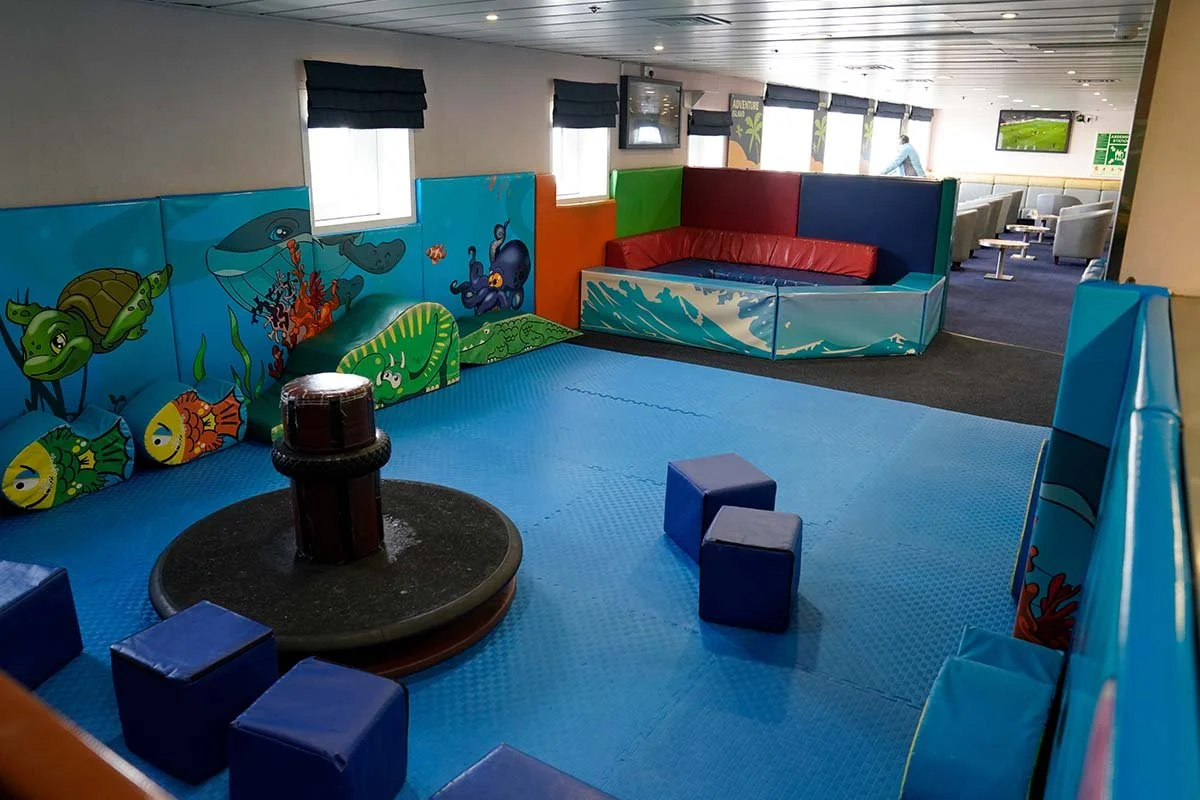
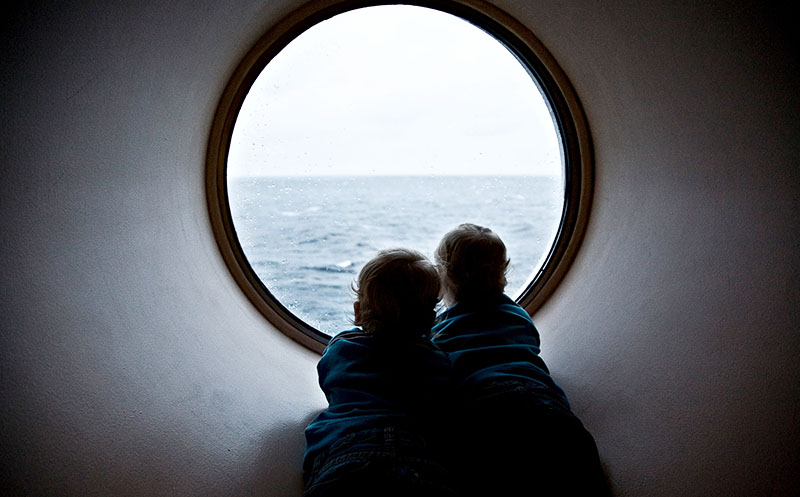
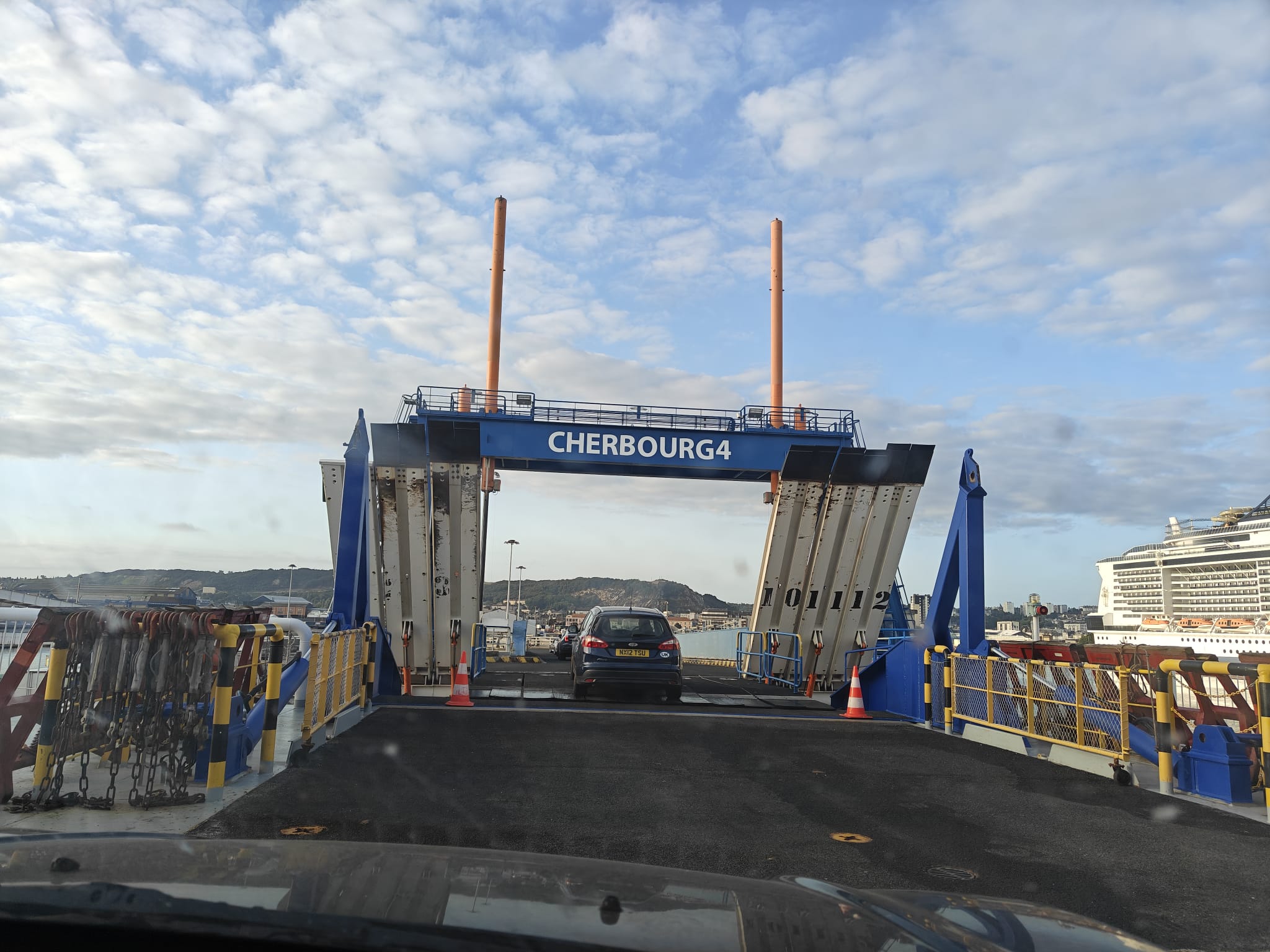
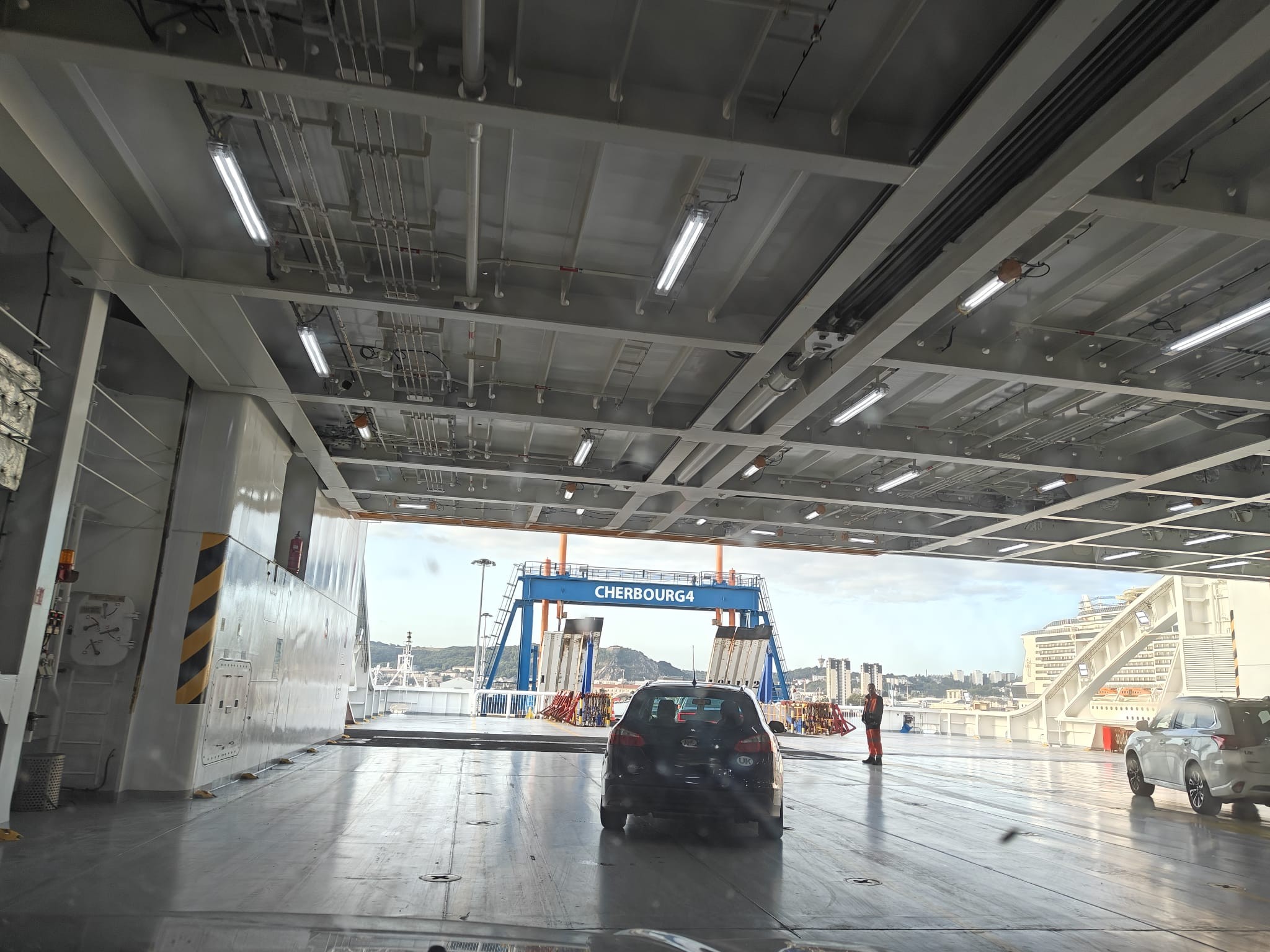
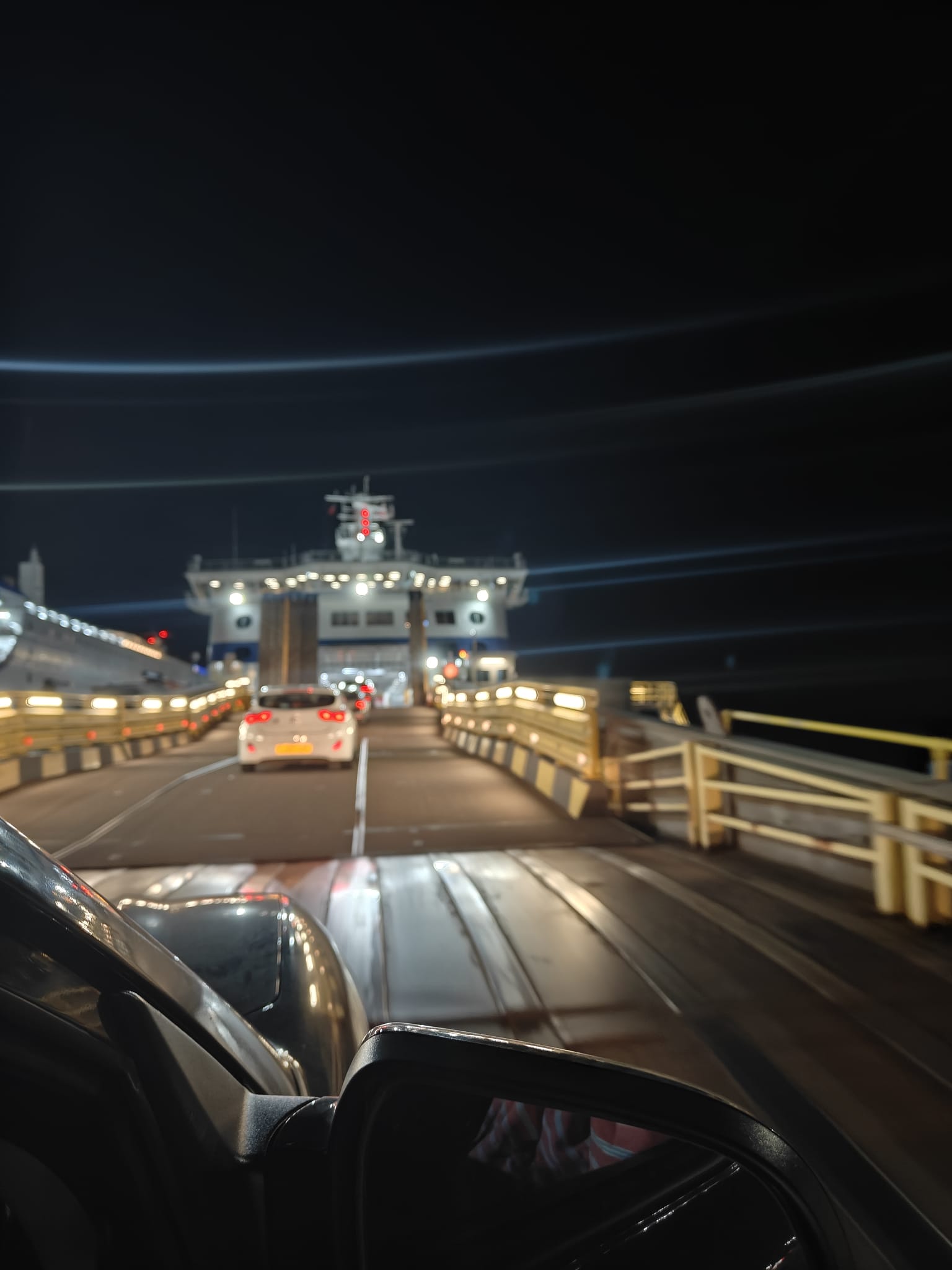
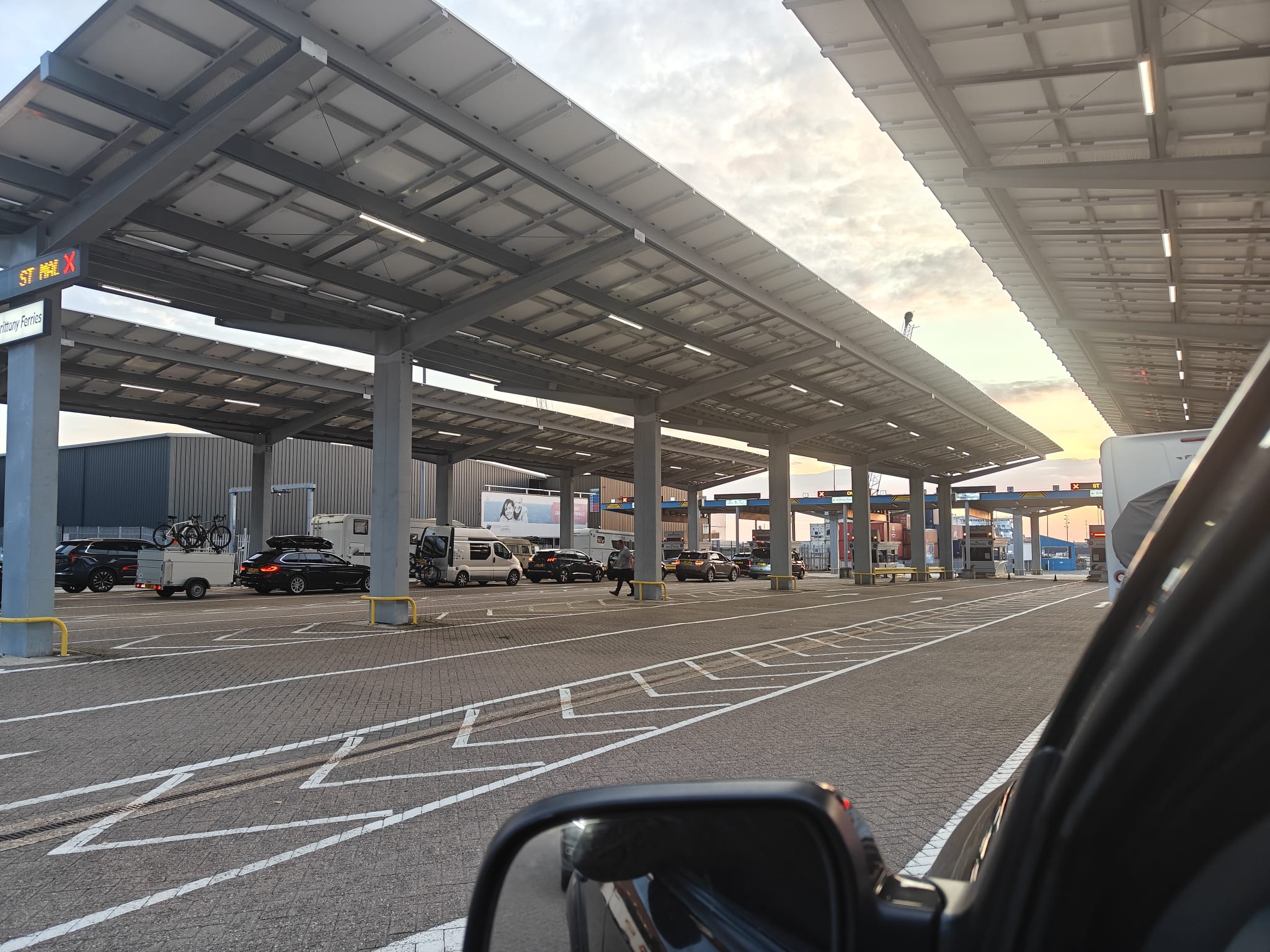
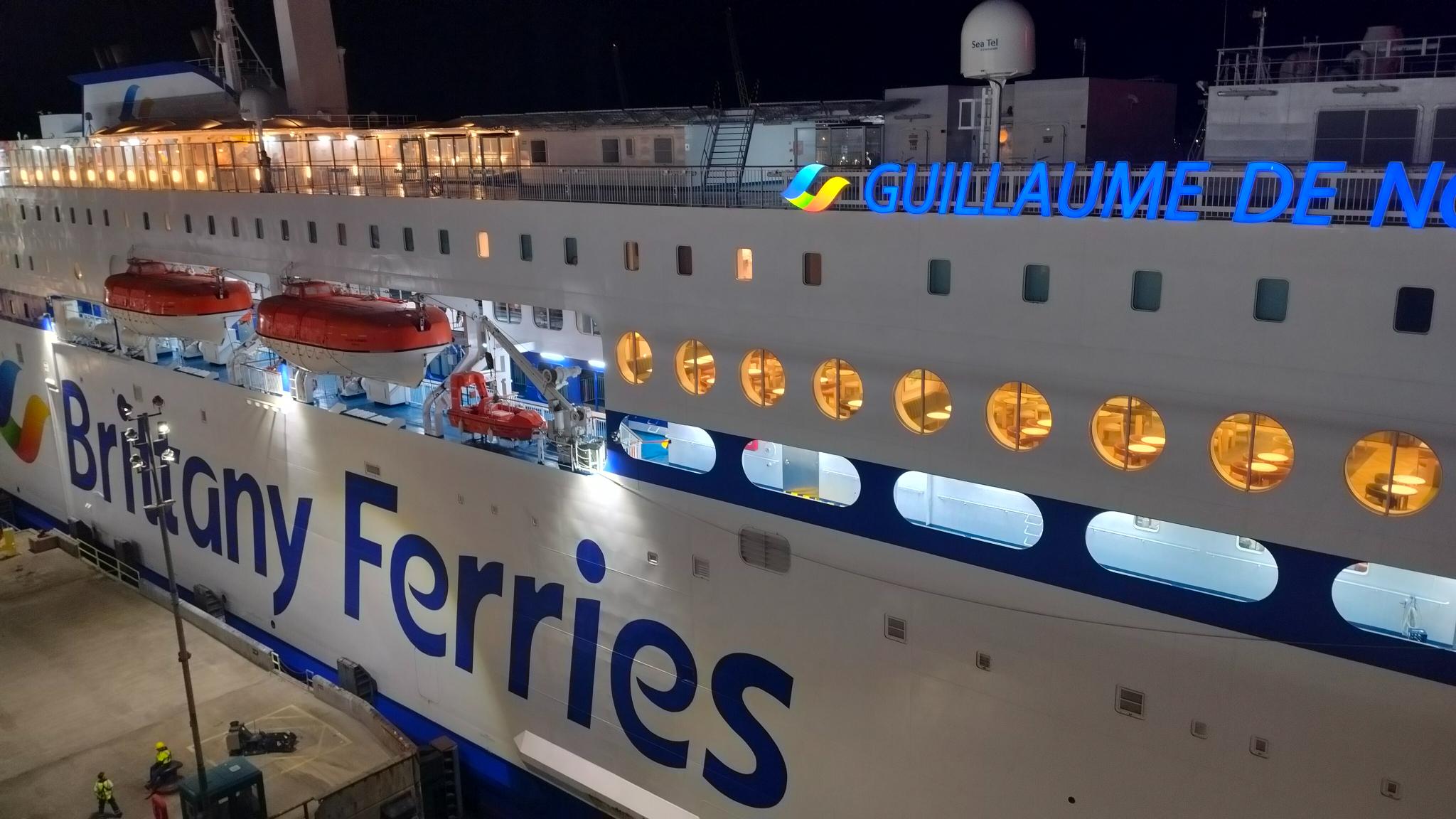
    By now, we’ve tried most of the ferry crossings between the UK and France ourselves. In our travel reports, you can get a real feel for what these sailings are like and how everything works – from boarding to the restaurants on board and the cabins. Below you can find some of the most-read before-boarding guides.

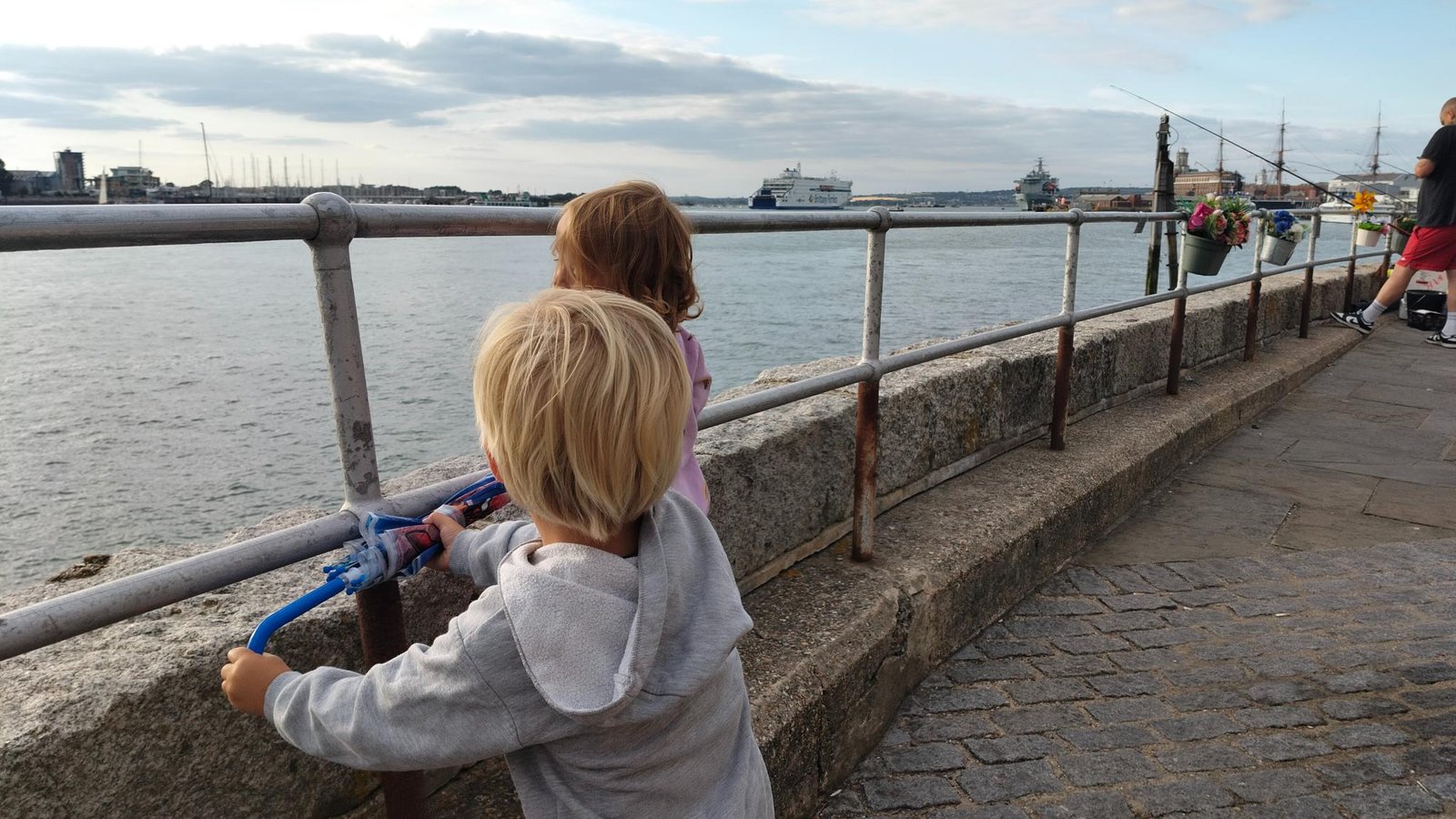
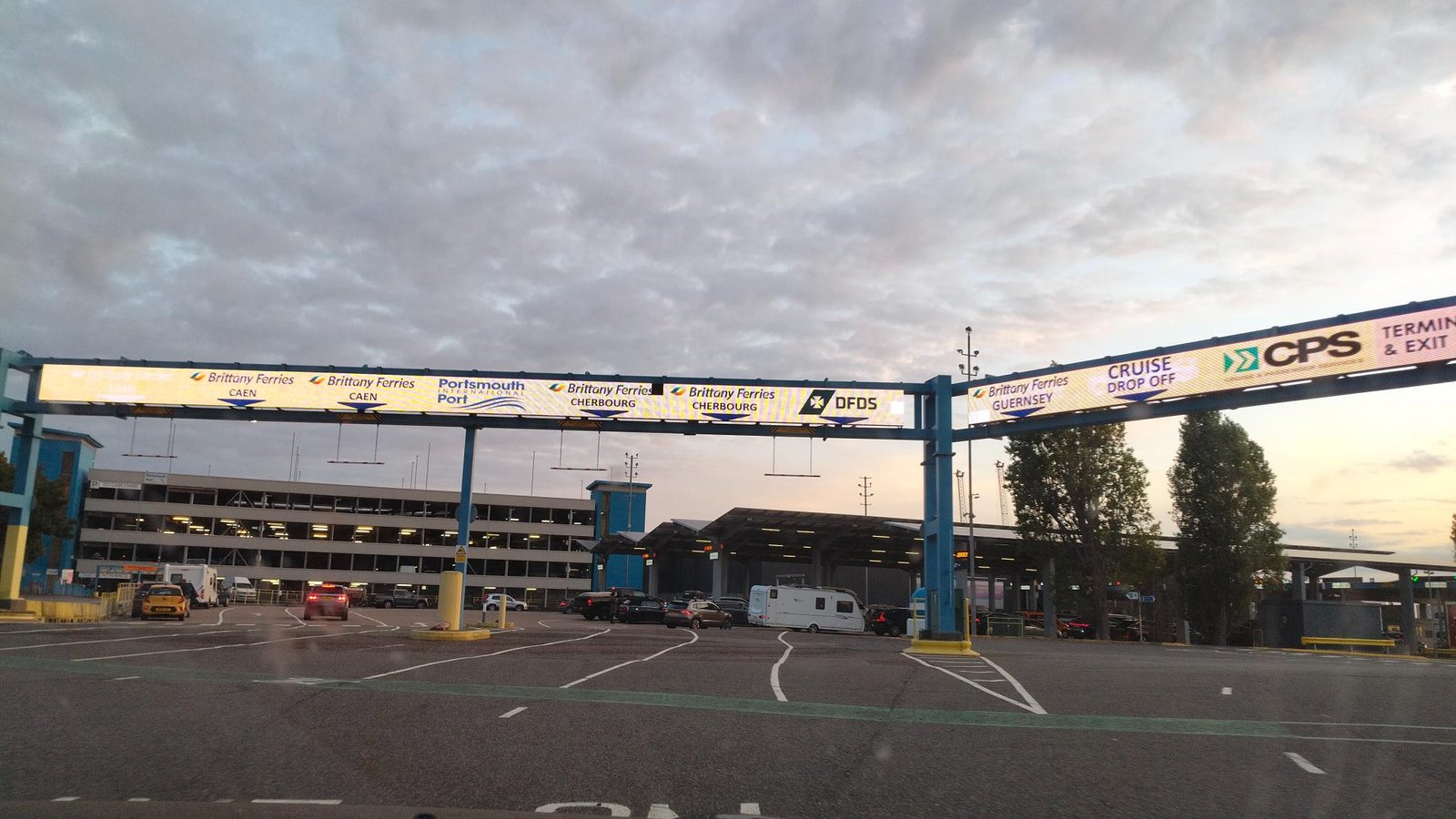
    1 Ferry spotting in Portsmouth Port

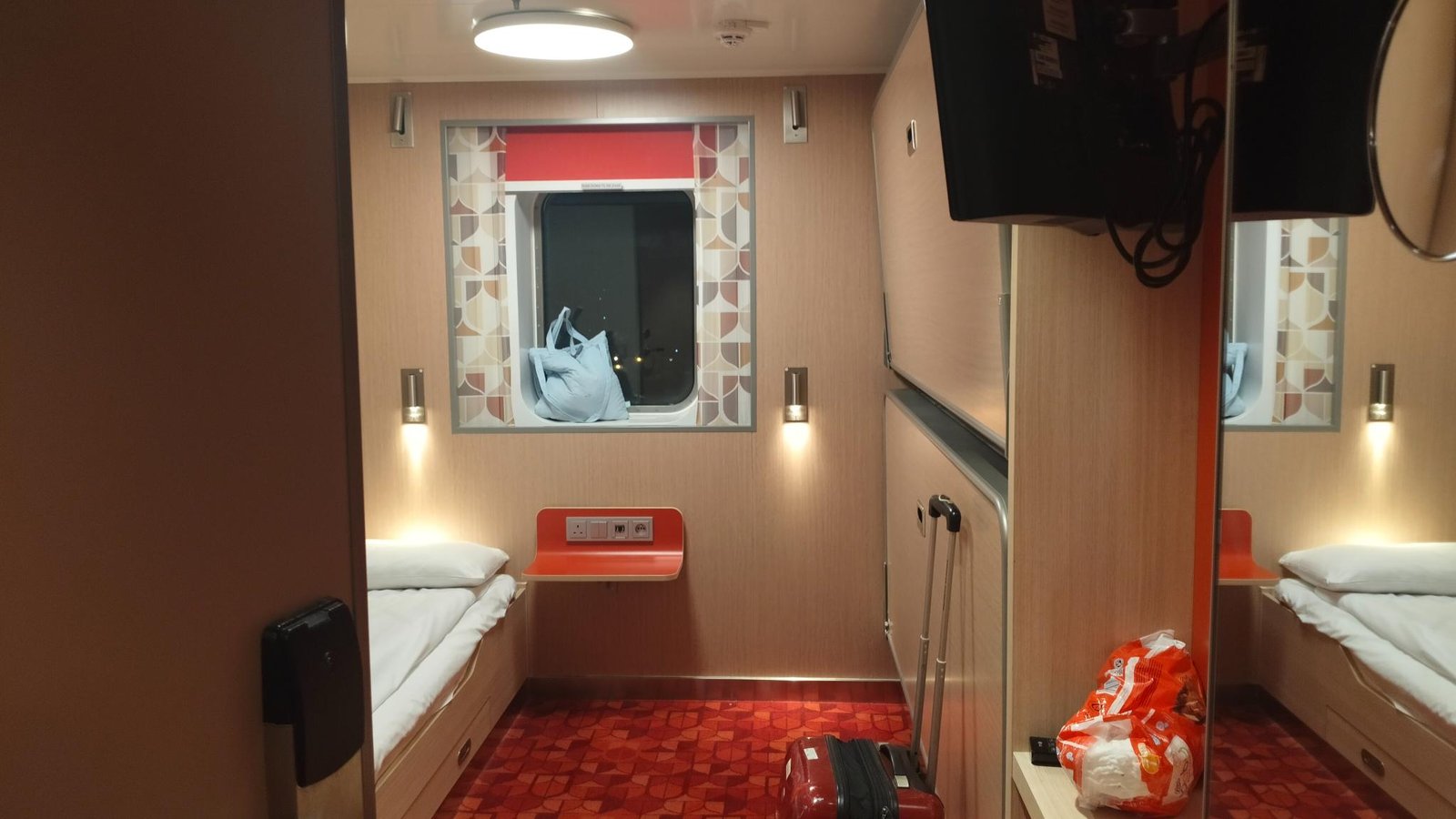
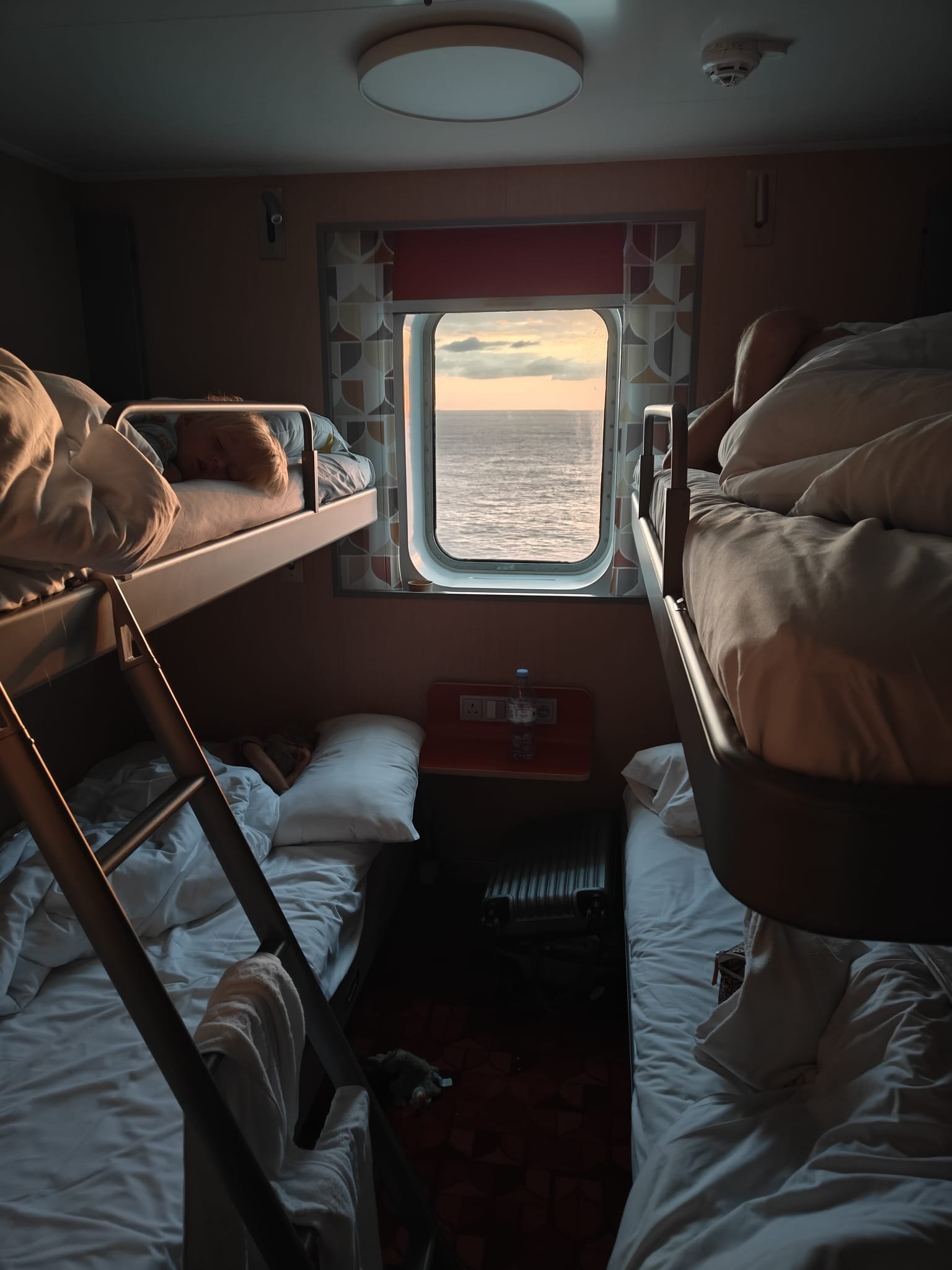
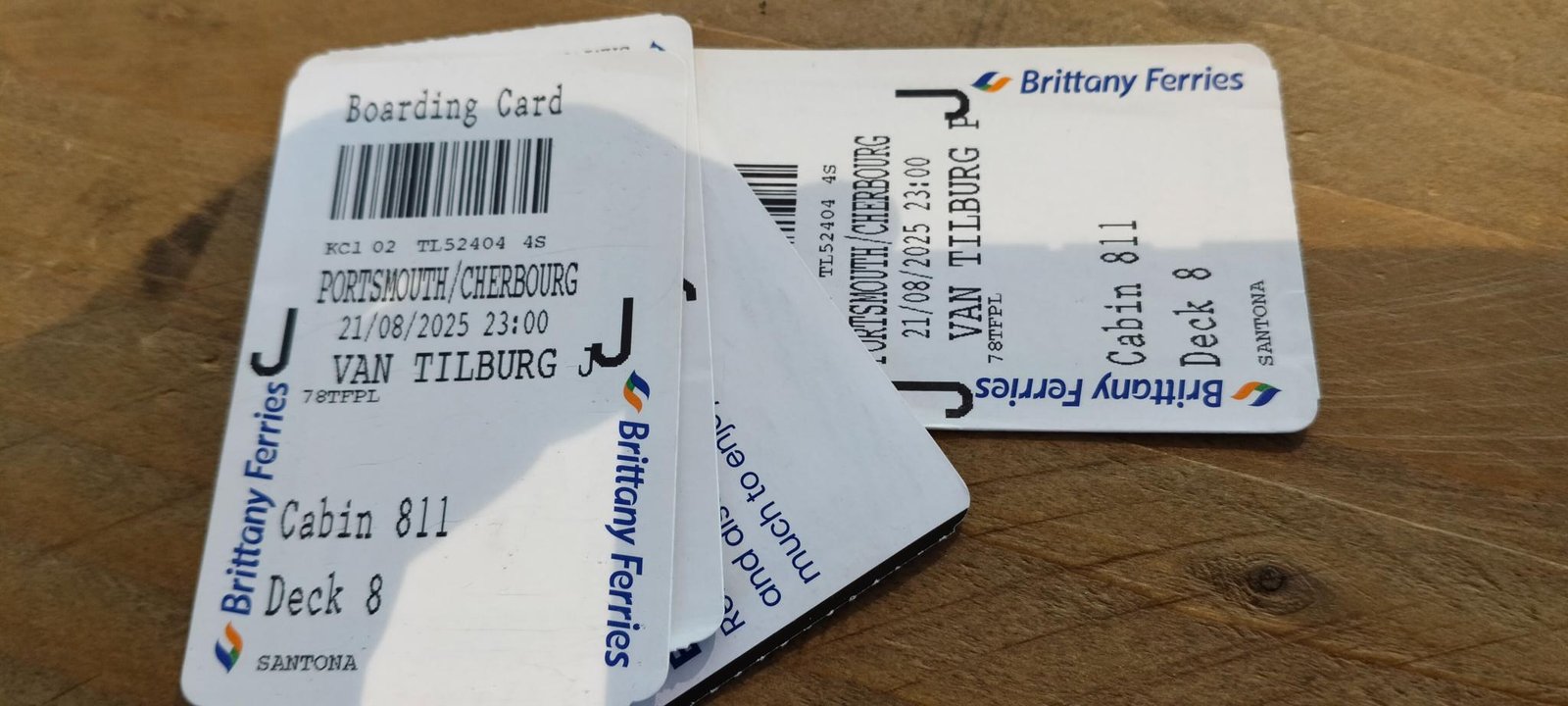
    Portsmouth to Cherbourg by Ferry: Sailing on the Santona with Brittany Ferries

    Ferry spotting in Portsmouth Port Planning a trip from the UK to France? The Portsmouth - Cherbourg ferry is a great choice, a comfortable crossing and an overnight one. You sleep while you sail, so the hours pass quickly and it feels like free ...
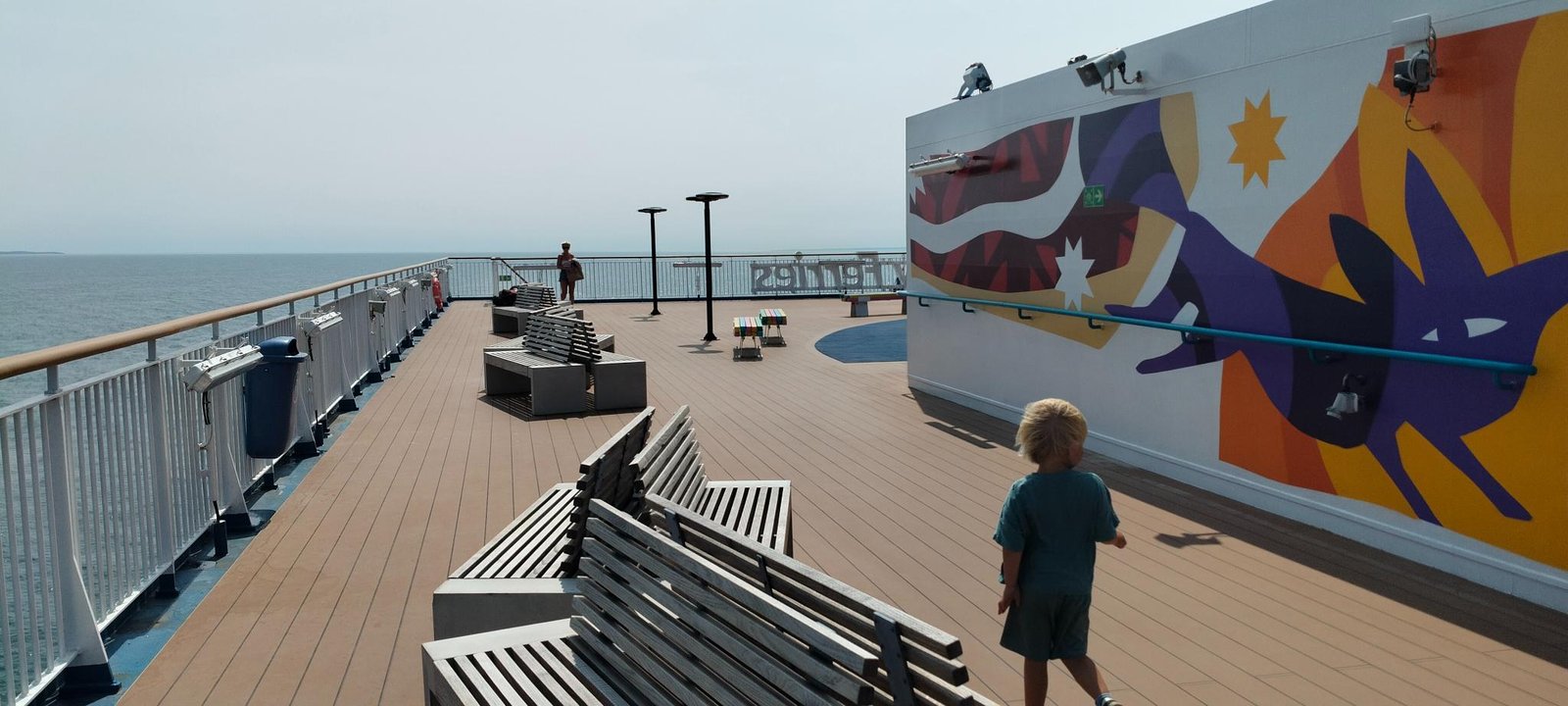
    2 Sun Deck Saint Malo Ferry

    By ferry from Saint-Malo to Portsmouth: our experience and a visual impression

    View on Saint Malo from the ferry to Portsmouth Thinking about taking the ferry from the UK to France or vice versa? The Saint-Malo - Portsmouth route has it all: a comfortable crossing from a must-visit French coastal town, with easy onward ...
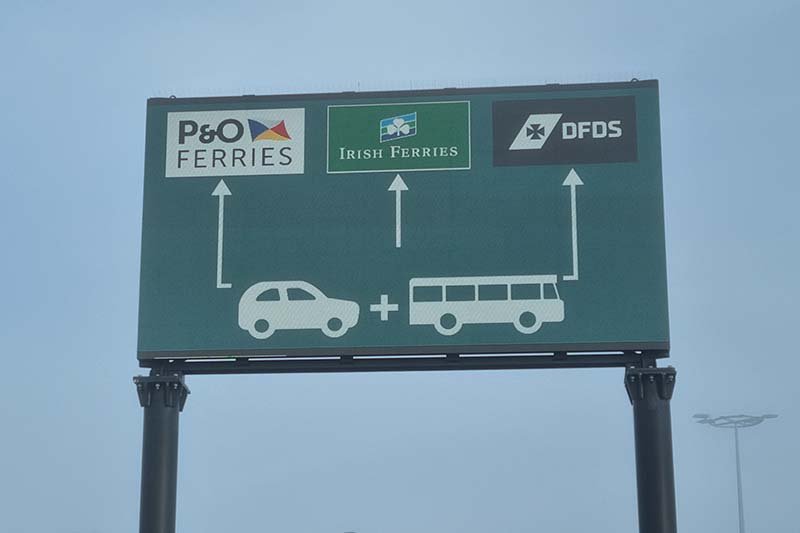
    3 which ferry calais-dover

    We tried every way to cross the Channel from Dover to Calais

    Given that we at Ferrygogo provide advice on all routes and crossings, we feel it’s our duty to personally test them from time to time. There are four different options for crossing from Dover to Calais ↗. On a single trip, we tested ...

    On board the ferries to France  and route maps

    UK to France crossings

    CrossingSailing timeDistanceSailingsFrom priceOperated by:
    Dover ↔ Calais1h 30m26 milesUp to 35 times per day£80.00P&O, Irish Ferries, DFDS
    Dover ↔ Dunkirk2 hours47 milesUp to 8 times per day£81.00DFDS
    Portsmouth ↔ Caen5h 45m112 milesUp to 3 times per day£126.00Brittany Ferries
    Portsmouth ↔ Le Havre5h 30m106 milesUp to 5 times per week£77.00Brittany Ferries
    Portsmouth ↔ Cherbourg6–8 hours84 milesUp to 3 times per week£99.00Brittany Ferries
    Poole ↔ Cherbourg4h 30m77 milesUp to 1 time per day£121.00Brittany Ferries
    Newhaven ↔ Dieppe4 hours78 milesUp to 4 times per day£75.00DFDS
    Plymouth ↔ Roscoff5h 30m / 11 hours (overnight)112 milesUp to 8 times per week£146.00Brittany Ferries
    Poole ↔ Saint-Malo6h 20m / 12 hours (overnight)143 milesUp to 4 times per week£184.00Condor Ferries
    Portsmouth ↔ Saint-Malo11 hours156 milesOnce per day£165.00Brittany Ferries

    Compare prices and availability for ferries to France

    Ferry prices to France can change a lot by route, season, sailing time and how early you book. If your travel dates are flexible, compare a few nearby dates and ports before choosing. A slightly longer crossing can sometimes save driving time, fuel, tolls or even a hotel night.

    Use the booking tool below to compare live sailings, operators and fares for your trip across the Channel.

    What matters most for UK travellers?

    For UK travellers, the best ferry to France depends less on the ferry alone and more on the full travel day. Dover is fast and frequent, but the western routes can be much more comfortable if you are heading for Normandy, Brittany or further south.

    Our quick route logic

    • For the shortest Channel crossing: start with Dover ⇄ Calais. It is the classic short-sea route and often the most flexible choice from London and the South East.
    • For northern France, Belgium or onward European driving: compare Dover ⇄ Dunkirk as well. It takes longer than Calais, but the arrival point can work better for some road trips.
    • For Normandy and a more relaxed family journey: look at Portsmouth ⇄ Caen. With the right sailing and a cabin, this can feel less like lost travel time and more like starting the holiday on board.
    • For Brittany and one of the nicest arrivals: Portsmouth ⇄ Saint-Malo is hard to beat. It is not the fastest option, but arriving near the walled town, beaches, Cancale, Dinard and Mont-Saint-Michel is a real advantage.
    • For South West England: Plymouth ⇄ Roscoff or Poole ⇄ Cherbourg can save a long drive across southern England before you even reach the ferry.
    • For foot passengers and cyclists: Newhaven ⇄ Dieppe is one of the more useful alternatives. Do check the rules carefully, as not every UK–France ferry route accepts foot passengers.

    Ferrygogo tip: do not choose only by crossing time. A longer ferry from Portsmouth, Poole or Plymouth can sometimes save hours of driving, fuel and tolls once you arrive in France.

    Good to know before taking the ferry to France

    Once you have chosen your route, a few practical checks can make the crossing and onward drive a lot smoother.

    • Bring your passport: since Brexit, a driving licence or ID card is not enough for UK–France travel. Check that every passenger has the right travel document before you head to the port.
    • Travelling overnight with children? A cabin can make a huge difference, especially on longer crossings. We’ve shared more tips for travelling with kids by ferry here.
    • Download before you sail: on longer or overnight crossings, download films, series, playlists, audiobooks and offline maps before boarding. Ferry Wi-Fi can be limited or paid, and maritime mobile networks at sea can be much more expensive than normal roaming. We would switch off data roaming at sea and use downloaded content instead.
    • Think about seasickness: longer western crossings can be more exposed than the short Dover routes. These tips for avoiding seasickness on ferries may help.
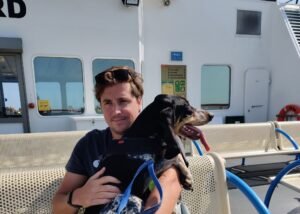
    • Travelling with pets? Rules, fees and onboard arrangements vary by route and operator. Check our guide to travelling with pets on ferries.

    Driving on after arrival in France

    Remember that you drive on the right in France. The first few minutes after leaving the port can feel a bit odd, especially at roundabouts, petrol stations and motorway slip roads, so take it slowly until you are back in the rhythm.

    If you are driving deep into France, also remember that many motorways are toll roads. The individual charges may not feel huge, but they can add up on a long journey towards Brittany, the Dordogne, the Alps or the south of France. Sometimes the best ferry route is the one that saves you the most driving after arrival, not just the one with the shortest crossing.

    2 Comments
    1. Fastest ferry route uk to france

    Leave a reply

    Ferrygogo UK
    Logo

    Ferrygogo Survey 2026

    Help us improve ferry travel from the UK

    We’re running a short Ferrygogo survey about ferry routes, operators and onboard comfort. It takes around 1-2 minutes and your answers help us improve our UK ferry guides.

    Takes around 1-2 minutes. No name or email required. Results may be used in anonymised Ferrygogo research.