Germany route atlas
No ferry sails from the UK to Germany. You cross to the Netherlands and drive, and Germany’s four Baltic ports then become the springboard for Scandinavia and the Baltic states: Kiel, Puttgarden, Rostock and Travemünde. This page is FerryGoGo’s starting point for every ferry to, from and within Germany, with the route guides, the crossings we have driven ourselves, the planning pages and the full route directory.
Hardly anyone takes a ferry to get to Germany. People take a ferry from Germany, because its Baltic coast is where the overnight ships to Norway, Sweden, Finland and the Baltic states leave, and where the two Scandlines crossings to Denmark save a long detour. The Dutch and Belgian ports are six to seven hours’ drive from all of them, which makes Germany the natural second leg of a British trip to the north.
So the useful question is which German port puts you on the right ship? Kiel for Oslo, Gothenburg and Klaipėda. Puttgarden and Rostock for Denmark and the bridge route to Sweden. Rostock and Travemünde for Trelleborg and Malmö in southern Sweden, for Helsinki and for Latvia and Lithuania. Within Germany itself there are only two crossings most visitors ever meet: the Helgoland boats from Cuxhaven and the little Elbe ferry at Glückstadt.
Travelling from the UK? Start with ferry to Germany from the UK: Harwich, Hull or Newcastle to Holland, then the drive, compared by where you live. One piece of news for the Kiel ferries: Stena, owner of the Harwich route and of Kiel to Gothenburg, has agreed to buy Color Line, the Kiel to Oslo operator. Nothing changes for bookings yet.
Main ferry routes, by direction
These are the guides we would use first. Each compares the crossings for that direction, with maps, sailing times and the drive on either side.
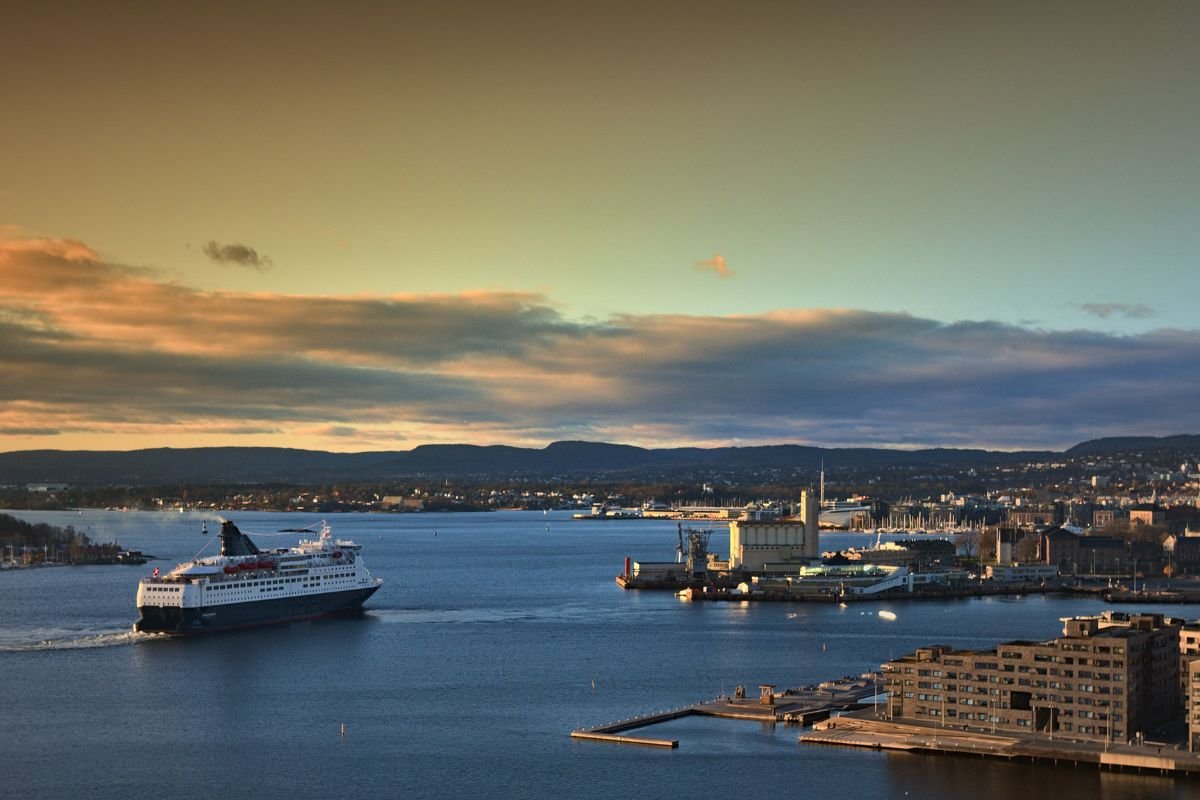
The port British drivers see most. Color Line sails to Oslo daily at 14:00, arriving at 10:00 the next morning, about 20 hours with a compulsory cabin. Stena Line leaves for Gothenburg in the early evening and docks the next morning, around 14 hours. DFDS sails to Klaipėda in Lithuania in 20 to 21 hours. Kiel is roughly six hours from Hook of Holland.
Puttgarden and Rostock: the Scandlines crossings to Denmark
The short cuts to Copenhagen and Sweden. Puttgarden to Rødby takes 45 minutes and runs round the clock; Rostock to Gedser takes two hours, up to ten times a day. Both feed straight onto the motorway to Copenhagen and the Øresund bridge, and Scandlines sells combi tickets that include the bridge or the Helsingør to Helsingborg ferry.
Day or night to Trelleborg and Malmö. Stena Line and TT-Line sail Rostock to Trelleborg in about six hours, TT-Line runs Travemünde to Trelleborg in around seven and a half, and Finnlines covers Travemünde to Malmö in nine. Southern Sweden without a single Danish toll, and the overnight departures save a hotel.
One ship, thirty hours, no driving through Sweden. Finnlines sails once a day, all year, from Travemünde to Helsinki in about 29 and a half hours. It is the only passenger ferry between Germany and Finland, and from Helsinki the Tallinn ferries put Estonia within two hours.
Overnight to Lithuania and Latvia. DFDS sails Kiel to Klaipėda, TT-Line sails Travemünde to Klaipėda and also sells Rostock to Klaipėda, part of it via Trelleborg, and Stena Line runs Travemünde to Liepāja in 22 to 23 hours. All of them take cars and motorhomes, and all of them beat the drive through Poland.
Two very different crossings. Helgoland, the red rock 70 km out in the North Sea, is served year-round from Cuxhaven and in season from Büsum and Hamburg, with cars left on the mainland. The Elbe ferry between Glückstadt and Wischhafen crosses in 20 to 25 minutes every half hour and saves the loop through Hamburg for anyone heading from the Netherlands to Schleswig-Holstein or Denmark.
A route map tells you where a ship goes. It does not tell you how the Scandlines queue moves at Puttgarden on a Saturday, or how early the alarm goes on the Harwich night boat that gets you to Germany in the first place. These are the crossings on this map that we have travelled ourselves:
Crossing
What we tested
Read
Puttgarden to Rødby
The 45-minute Scandlines crossing by car, compared with the Øresund bridge and Helsingør to Helsingborg.
Use the map to get the geography straight. Kiel, Puttgarden, Rostock and Travemünde sit within 200 km of each other on the Baltic coast, so the choice between them is about the ship and the arrival port, not the drive to Germany.
Full Germany ferry route directory
The curated links above are where we would start. If you already know the ports you want, browse every route to, from and within Germany below.
Is there a ferry from the UK to Germany? No. The last one, Harwich to Cuxhaven, stopped in 2005. You sail to the Netherlands from Harwich, Hull or Newcastle, or cross the Channel at Dover, and drive on. Hamburg is about five hours from Hook of Holland, the Baltic ferry ports six to seven.
Which German port should I use for Scandinavia? Kiel for Oslo and Gothenburg, Puttgarden or Rostock for Denmark and the bridge route to Sweden, Rostock or Travemünde for Trelleborg and Malmö. For the Norwegian south coast and the fjords most people drive on through Denmark to Hirtshals instead.
Puttgarden or Rostock for Denmark? Puttgarden to Rødby is the shorter sea crossing, 45 minutes, and sits on the direct road from Hamburg to Copenhagen. Rostock to Gedser takes two hours but suits anyone coming from Berlin or heading for southern Sjælland, and the ferry hour replaces motorway.
Which ferries sail from Germany to Sweden? Four direct routes: Kiel to Gothenburg (Stena Line), Rostock to Trelleborg (Stena Line and TT-Line), Travemünde to Trelleborg (TT-Line) and Travemünde to Malmö (Finnlines). The Sassnitz routes to Sweden no longer run; FRS stopped the last one in September 2024.
Can I take a car to Helgoland? No. Helgoland is car-free. You park in Cuxhaven, Büsum or Hamburg and cross as a foot passenger, year-round from Cuxhaven and seasonally from the other two.
Jan Willem works on FerryGoGo’s route comparisons, ferry research and first-hand travel guides, and has driven the Scandlines crossings between Germany and Denmark himself. This Germany atlas is meant to get you from a trip idea to the port and the ship that fit your whole journey north.
Ferry Talk
Questions or experiences? We'd love for you to share them.












Great general guidance here, thanks a lot FerryGoGo!