✓ Plan and book your perfect crossing – simple, fast, and reliable | Explore Ferrygogo worldwide 🌐

Ferries to the Isle of Wight

Compare Isle of Wight ferry routes from Portsmouth, Southampton, Lymington and Southsea.

Ferry to the Isle of Wight: routes from Portsmouth, Southampton, Lymington and Southsea

There is no bridge or tunnel to the Isle of Wight, so every trip starts with a ferry, FastCat or hovercraft. The good news is that there are several easy crossings from the south coast of England. The slightly trickier bit is choosing the right one.

The best ferry to the Isle of Wight depends mainly on three things: whether you are taking a car, where you start on the mainland, and which part of the island you are heading for. A quick foot-passenger trip to Ryde is a very different journey from a family holiday with a car full of bags, bikes and beach gear.

The route names look simple, but this is where a lot of travellers get caught out: Southampton to Cowes can mean two different services, Portsmouth is not the same as Portsmouth Harbour, and the fastest route across the Solent does not take cars.

Below we compare all main Isle of Wight ferry routes and explain which crossing usually fits best.

Let's have a look at the map with ferry crossings to visualize what we're actually talking about.

Isle of Wight ferry map: crossings to Wight

The map is useful because the mainland ports are close together, but they lead to different arrival points on the island. Portsmouth is best for Fishbourne and Ryde, Southampton is best for East Cowes and West Cowes, Lymington is best for Yarmouth, and Southsea is best for the hovercraft to Ryde.
Popular
45 mins
7 miles
Up to 25 times per day
From: £17.00
Fast Ferry
22 mins.
7 miles
Up to 14 times per day
From: £20.00
1 Hour, 30 mins.
7 miles
Up to 35 times per day
From: £20.00
Popular
10 mins.
7 miles
Up to 20 times per day
From: £23.00
40 mins.
6 miles
Up to 11 times per day
From: £17.00

About the crossings to the Isle of Wight

Our experience around Portsmouth Harbour

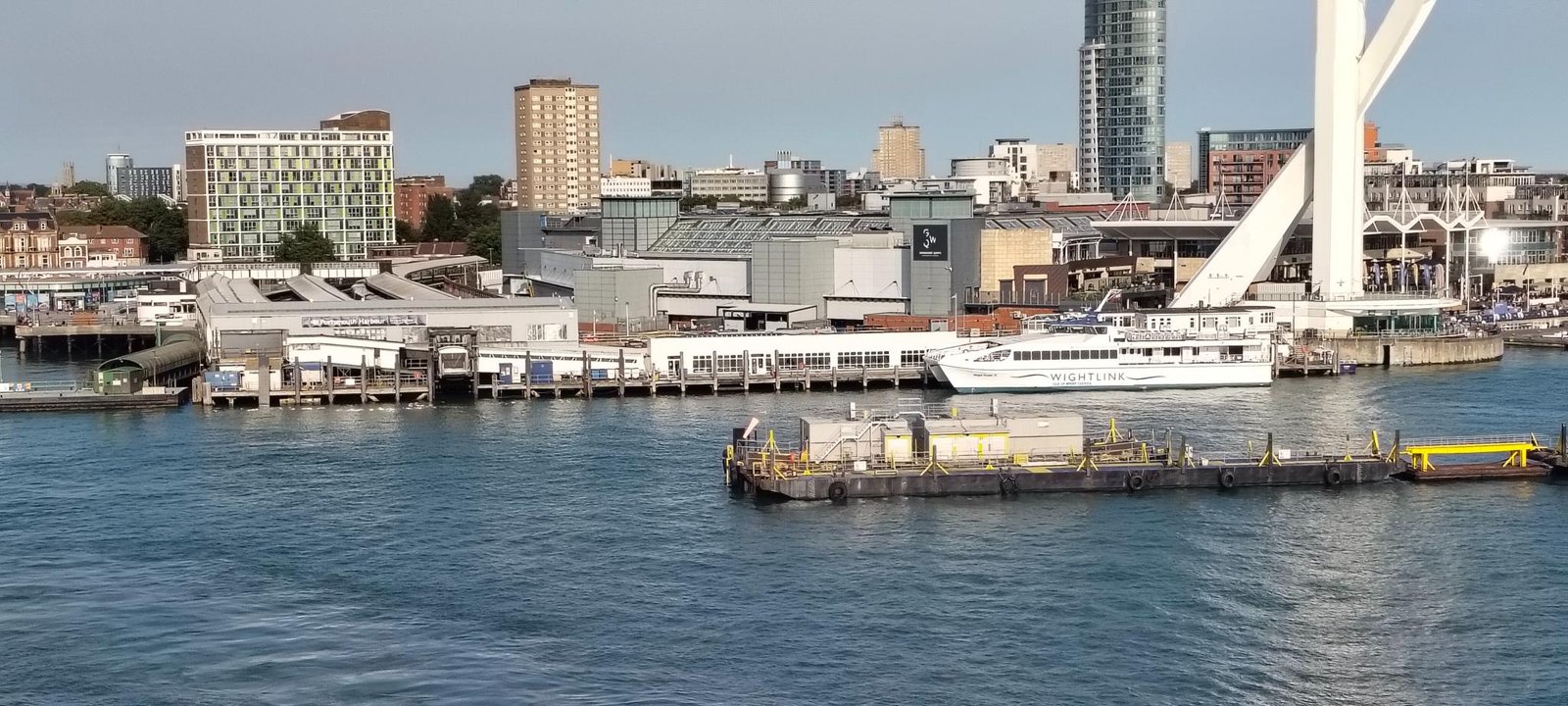
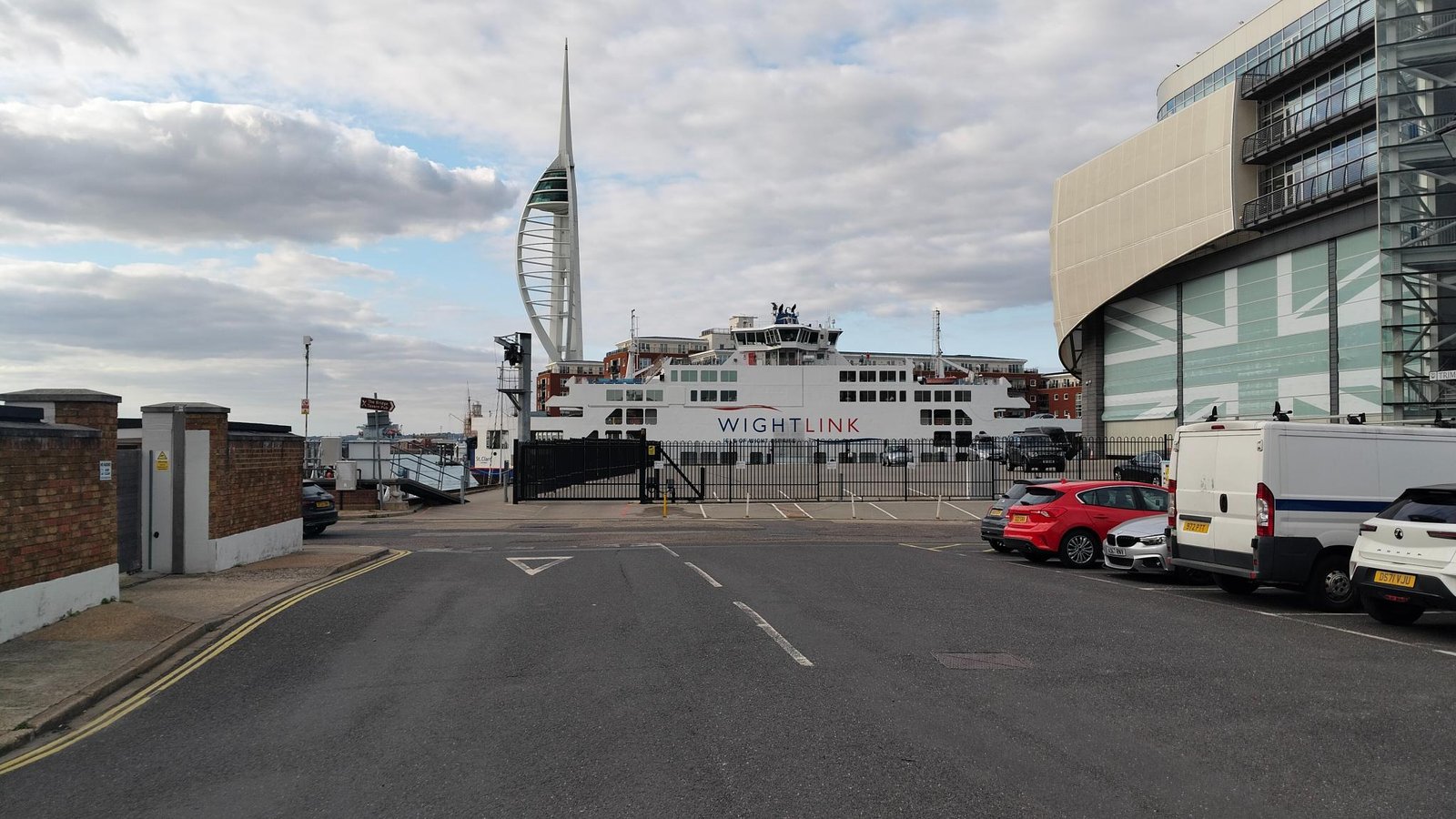
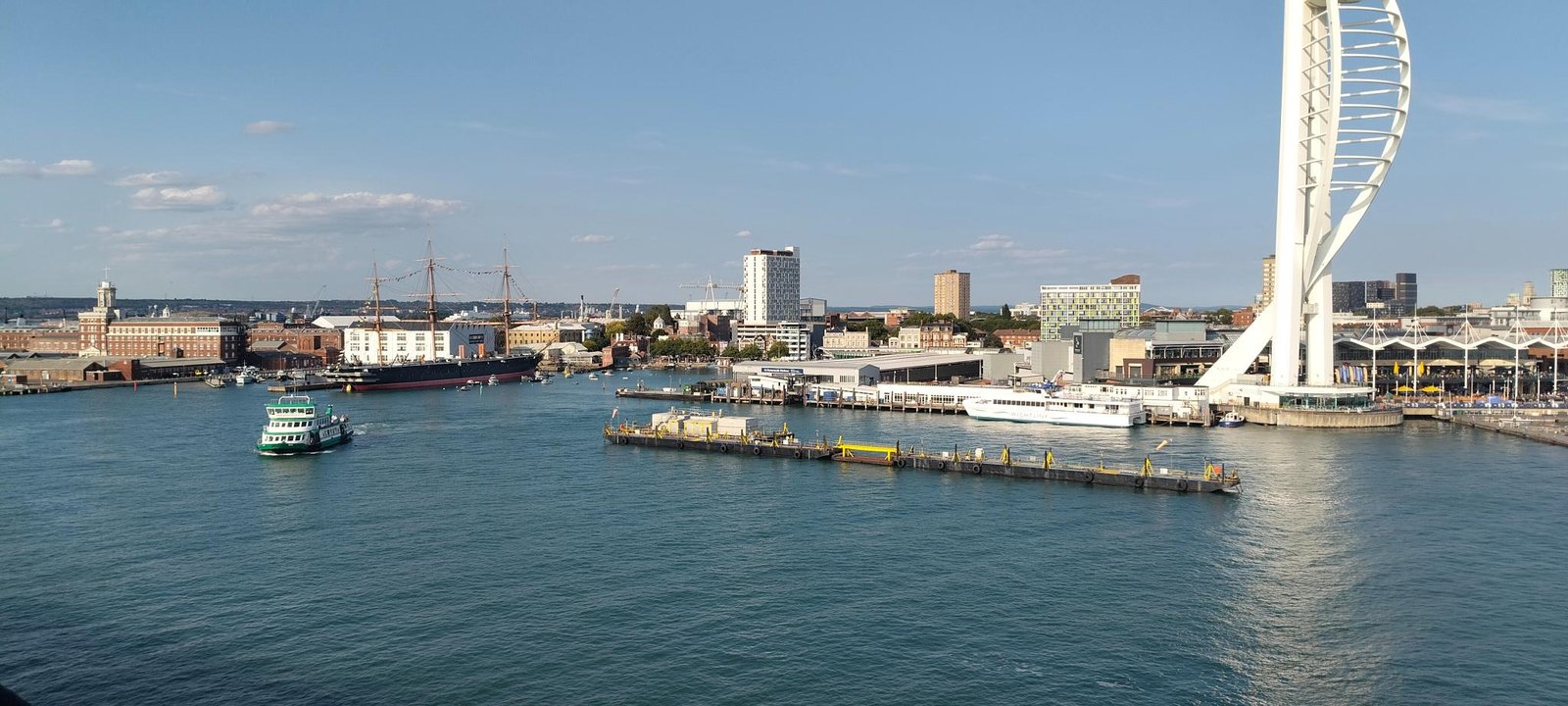
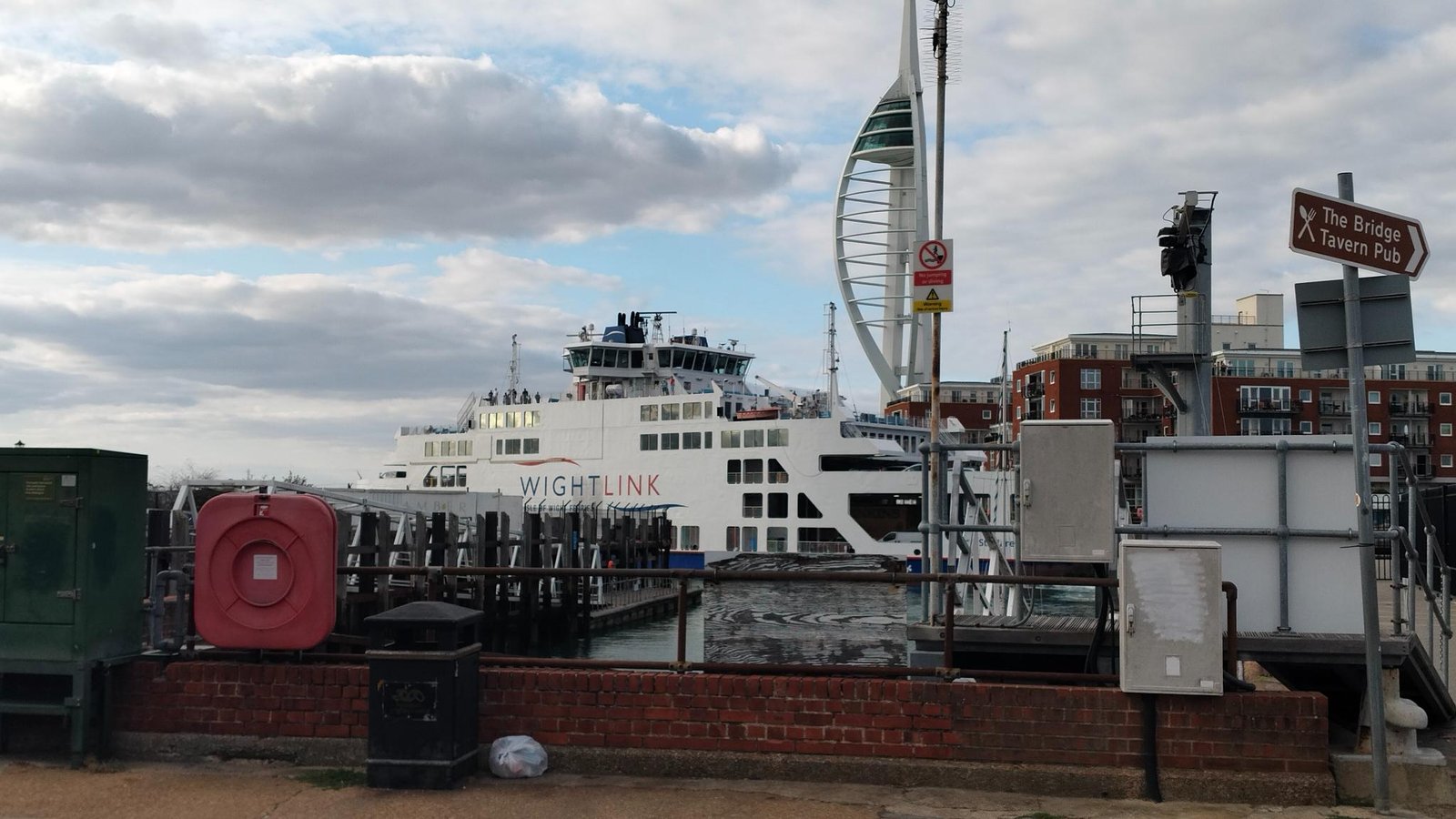
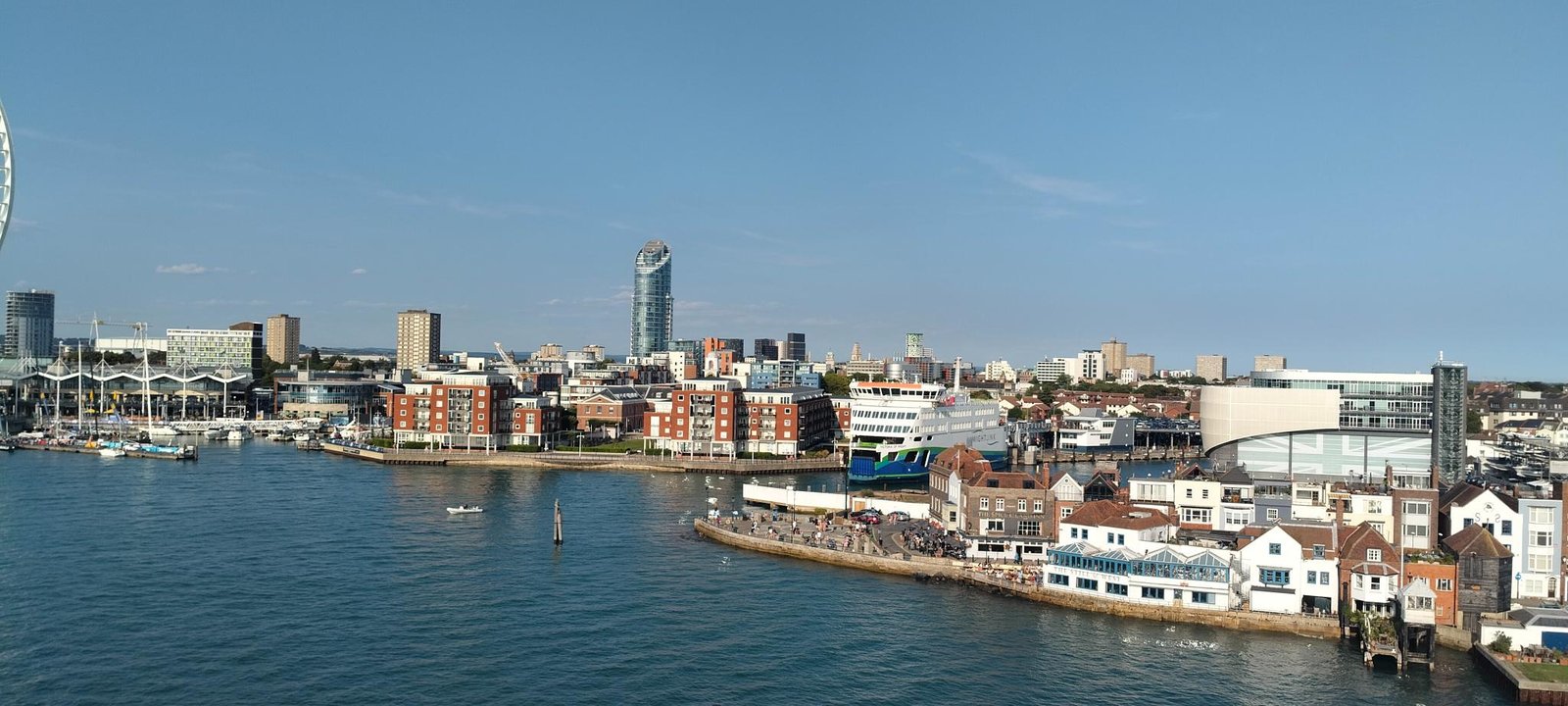
We have not yet made the crossing to the Isle of Wight ourselves, so this is not a full onboard review. But we have spent time around Portsmouth Harbour and the ferry terminals, and we saw plenty of Isle of Wight ferry traffic from close by.

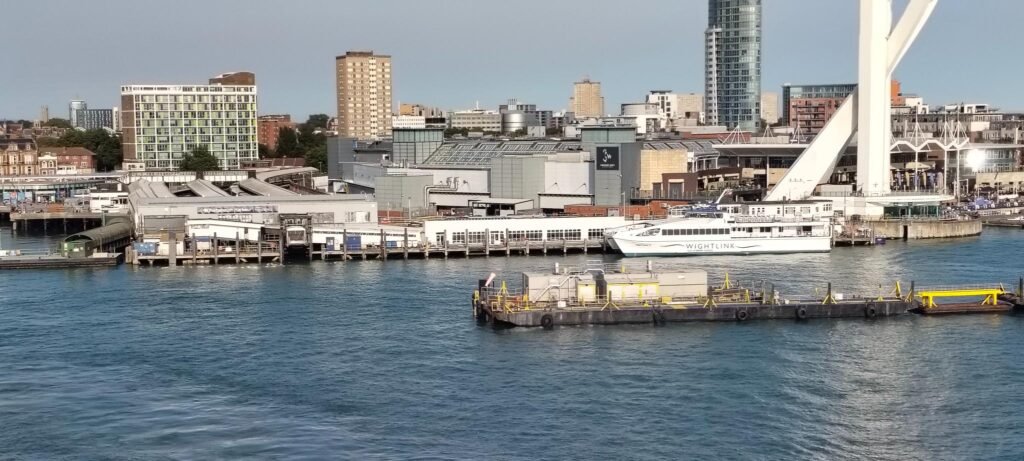
That actually helps with one of the main things people get wrong on this route: Portsmouth is not just ‘Portsmouth’. The Wightlink car ferry to Fishbourne, the FastCat to Ryde Pier Head and the Hovertravel hovercraft from Southsea all leave from different places and suit different types of traveller.

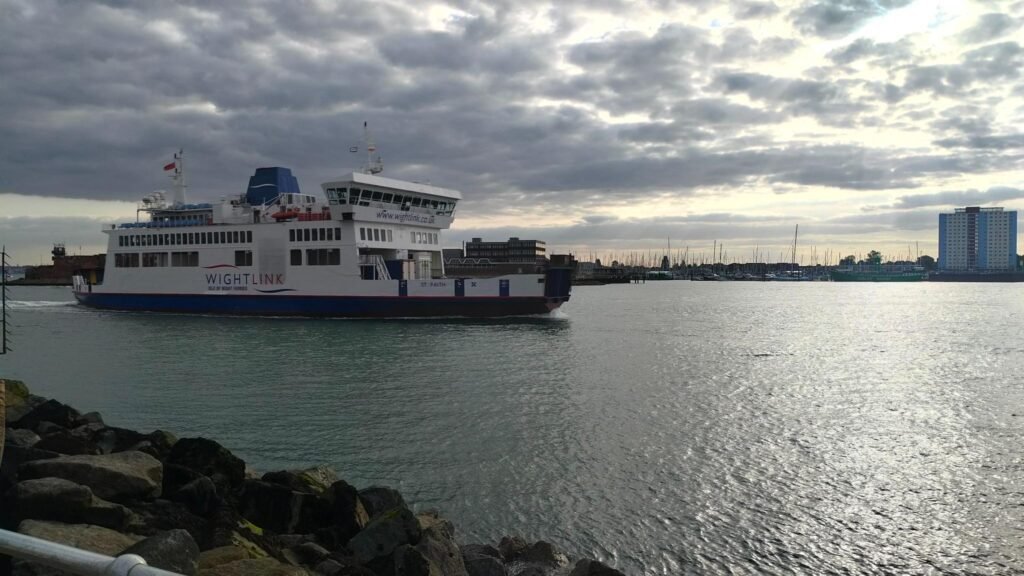
One small but very real ferry detail we noticed in Portsmouth: car alarms. As one of the Isle of Wight vehicle ferries sailed past, several alarms were going off. That happens more often than people think on ferries, because the ship’s movement can trigger motion sensors.

So if you are taking your car to the Isle of Wight, check before you travel how to lock it without activating the interior motion alarm. It is a small thing, but it saves a lot of noise on board.

Read our guide: how to disable your car alarm before taking the ferry ↗

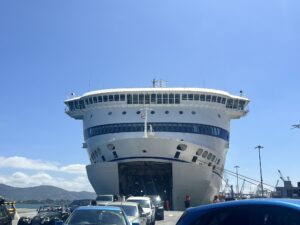
St Faith - Wightlink ferries in Portsmouth
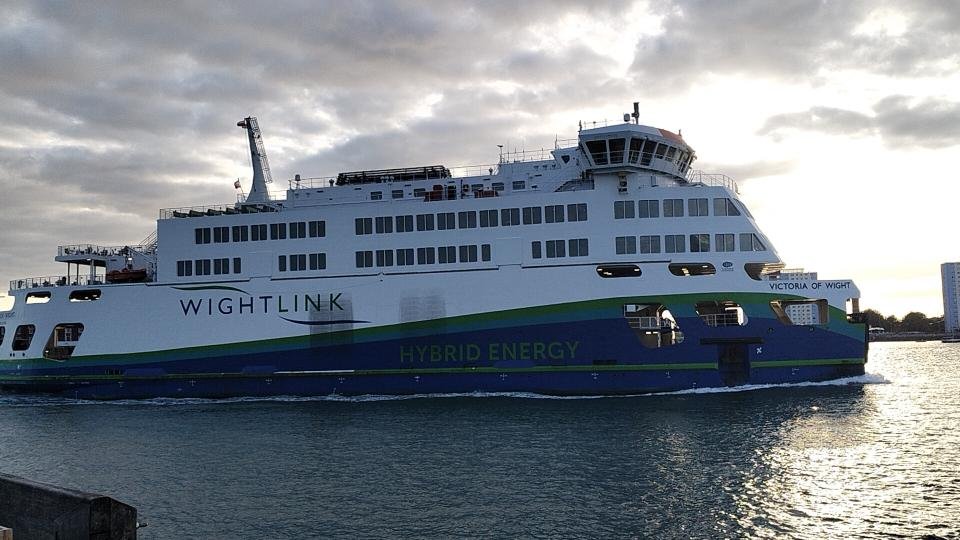
Isle of Wight ferry traffic seen around Portsmouth Harbour

Our quick advice: which Isle of Wight ferry would we check first?

If you are not sure where to start, this is how we would narrow it down. The Isle of Wight routes look very similar on a map, but in practice, they suit quite different trips.

  • Driving from London, Surrey, Sussex or the South East? Start with Portsmouth ⇄ Fishbourne. It is the strongest all-round car ferry and a sensible default for many holidays.
  • Starting near Southampton or travelling via the M3? Look at Southampton ⇄ East Cowes. This is the Red Funnel vehicle ferry and works well for East Cowes, Osborne, Newport and the middle of the island.
  • Heading for Yarmouth, Freshwater, The Needles or west Wight? Check Lymington ⇄ Yarmouth first. It can save you arriving on the wrong side of the island.
  • Travelling without a car to Ryde? Compare the Portsmouth Harbour ⇄ Ryde FastCat and the Southsea ⇄ Ryde hovercraft.
  • Going to Cowes as a foot passenger? The Southampton ⇄ West Cowes Red Jet is usually the neatest choice.
  • Want the fastest and most memorable crossing? The Southsea ⇄ Ryde hovercraft is the one to look at, but remember, it does not take cars.

Our default pick: for most car-based holidays from the South East, we would start with Portsmouth ⇄ Fishbourne. It is not the most exciting answer, but it is often the most practical one.

Essential things to know before crossing the Solent

  • There are three vehicle ferry routes: Portsmouth ⇄ Fishbourne, Southampton ⇄ East Cowes and Lymington ⇄ Yarmouth.
  • The fastest crossing is not a car ferry: Southsea ⇄ Ryde by hovercraft takes around 10 minutes, but it is for foot passengers only.
  • Southampton has two Cowes routes: the vehicle ferry goes to East Cowes, while the Red Jet passenger service goes to West Cowes.
  • Portsmouth, Portsmouth Harbour and Southsea are not the same terminal: check carefully where your ferry, FastCat or hovercraft actually leaves.
  • Your island arrival point matters: Fishbourne is useful for Ryde and Newport, East Cowes for Cowes and Newport, Ryde for foot passengers and Yarmouth for west Wight.
  • Book earlier with a car: especially in summer, school holidays, festival periods and at popular sailing times.
  • Turn off your car alarm: ferry movement can trigger motion sensors, and yes, we have heard this happen around Portsmouth.

All Isle of Wight ferry routes compared

Route Operator Crossing time Cars? Best for

Which Isle of Wight ferry route should you choose?

Portsmouth ⇄ Fishbourne: best all-round car ferry

This is the Isle of Wight route we would check first for most car-based holidays from London, Surrey, Sussex and the South East. The crossing takes around 45 minutes and arrives at Fishbourne, which is practical for Ryde, Newport and much of the central and eastern island.

It is not the most unusual crossing and it is not the fastest way across the Solent, but that is not really the point. If you are driving, Portsmouth ⇄ Fishbourne is often just the route that makes the day easiest.

Best if: you are taking a car and want the most straightforward all-round route from Portsmouth.

Less ideal if: you are travelling on foot directly to Ryde. In that case, the FastCat or hovercraft may be easier.

Popular
45 mins
7 miles
Up to 25 times per day
From: £17.00
Wightlink small catamaran ferry + terminal

Portsmouth Harbour ⇄ Ryde Pier Head: best by train or on foot

The Wightlink FastCat is the cleanest option if you are travelling as a foot passenger via Portsmouth Harbour. The crossing takes around 22 minutes and lands at Ryde Pier Head, which makes it a very logical route if you are arriving by train.

This route feels more like a public-transport link than a classic car-ferry journey. For London travellers without a car, it can be one of the easiest ways to reach the island.

Best if: you are travelling light, arriving by train, or staying around Ryde.

Less ideal if: you need to take a car, van or camper. This is not a vehicle ferry.

Fast Ferry
22 mins.
7 miles
Up to 14 times per day
From: £20.00

Southsea ⇄ Ryde: fastest and most memorable

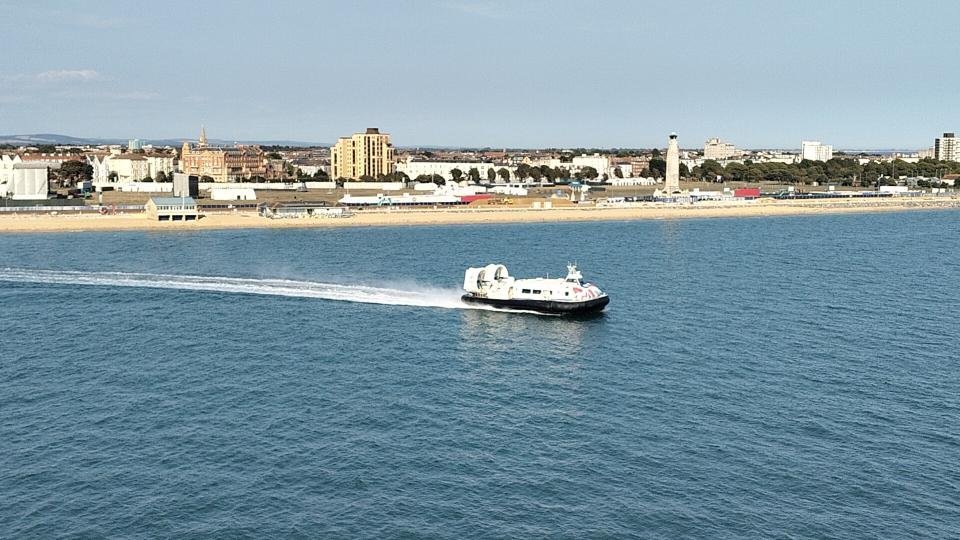
The Southsea to Ryde hovercraft is the quickest and most unusual Isle of Wight crossing. It takes around 10 minutes and is easily the most memorable way to cross the Solent.

We would especially look at this route for day trips, short stays and anyone who wants the crossing itself to be part of the experience. Just remember: it is for foot passengers, not cars.

Best if: speed, novelty and Ryde access matter most.

Less ideal if: you are taking a vehicle or want the slower, more relaxed feel of a conventional ferry.

Popular
10 mins.
7 miles
Up to 20 times per day
From: £23.00
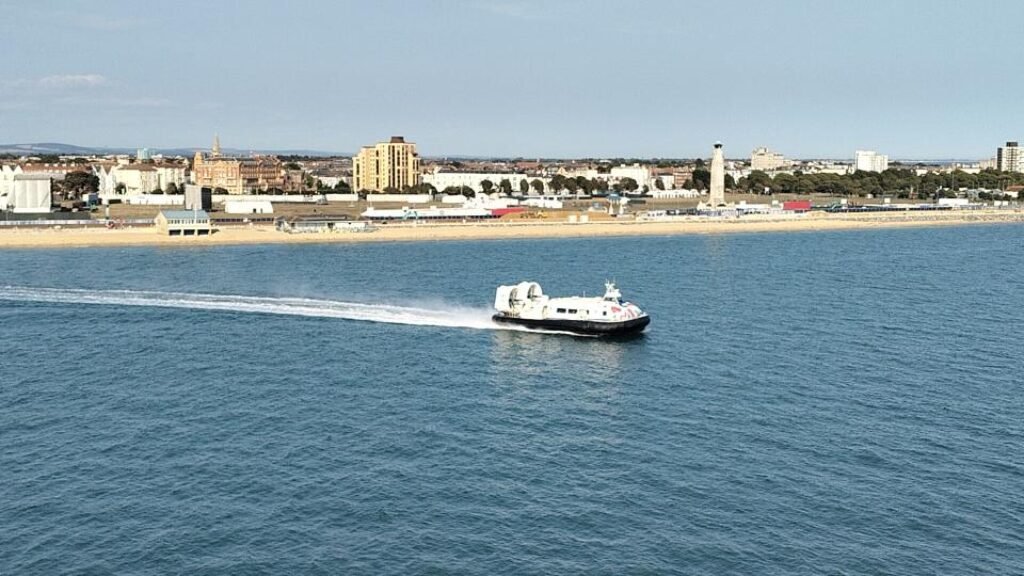
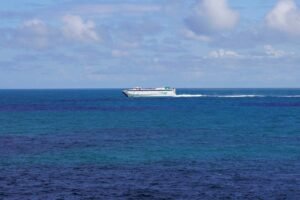
Hovertravel's Hovercraft Southsea (Portsmouth) - Ryde leaving the beach

Southampton ⇄ East Cowes: best vehicle ferry from Southampton

The Red Funnel vehicle ferry links Southampton with East Cowes in around 60 minutes. This is the route to check if Southampton is your natural mainland port, or if you are heading towards East Cowes, Osborne, Newport or the central Isle of Wight.

Compared with the quicker Red Jet, this is the practical option for cars, families with a full boot, campervans and longer stays.

Best if: you are taking a car from Southampton or want easy access to East Cowes and Newport.

Less ideal if: you are travelling on foot to Cowes itself. The Red Jet to West Cowes is usually neater.

1 Hour, 30 mins.
7 miles
Up to 35 times per day
From: £20.00

Southampton ⇄ West Cowes: best for Cowes without a car

The Red Jet is the fast Red Funnel foot-passenger service between Southampton and West Cowes. The crossing takes around 28 minutes, which makes it the most direct option for Cowes if you are not taking a vehicle.

This is the Southampton detail that matters most: the vehicle ferry goes to East Cowes, while the Red Jet goes to West Cowes. For a foot-passenger trip to Cowes, that difference can save hassle at the island end.

Best if: you are heading to Cowes, travelling light, or making a short visit without a car.

Less ideal if: you need your own vehicle on the island.

1 Hour, 30 mins.
7 miles
Up to 35 times per day
From: £20.00

Lymington ⇄ Yarmouth: best for west Wight

Lymington to Yarmouth deserves more attention than it often gets. It is not just another Isle of Wight ferry; it is the natural route for the New Forest, Dorset, Bournemouth and the western side of the island.

The crossing takes around 40 minutes and arrives at Yarmouth, which is a lovely entry point for Freshwater, The Needles, west Wight beaches and quieter holidays.

Best if: you are staying in west Wight or travelling from the New Forest / Dorset side.

Less ideal if: you are starting from east of Portsmouth or heading straight to Ryde.

40 mins.
6 miles
Up to 11 times per day
From: £17.00

Taking the car to the Isle of Wight

If you are taking your car, campervan or motorbike, the choice is fairly simple: focus on Portsmouth ⇄ Fishbourne, Southampton ⇄ East Cowes and Lymington ⇄ Yarmouth.

Taking your own car is not always the cheapest option, but it can make sense for families, longer stays, cottages outside the main towns, beach gear, bikes or anyone planning to explore more than one part of the island.

For summer weekends, school holidays, festivals and popular sailing times, book earlier than feels necessary. With Isle of Wight ferries, the difference between a convenient sailing and an awkward one can change the whole feel of the trip.

Before boarding with a car

  • Know your exact terminal. Portsmouth, Portsmouth Harbour and Southsea are different departure points.
  • Arrive in good time. Vehicle check-in can be less forgiving than foot-passenger travel, especially during busy periods.
  • Disable your car alarm. Ferry movement can set off motion sensors, which is annoying for everyone and can drain your battery.
  • Take what you need from the car. On many ferries you may not be able to return to the vehicle deck during the crossing.
  • Check live service updates. This is especially useful in windy weather or during peak holiday periods.

How to disable your car alarm before boarding the ferry ↗

Travelling as a foot passenger

Foot passengers have excellent Isle of Wight options. The main thing is to choose by arrival point rather than simply by the closest port on the mainland.

  • For Ryde: use the Southsea hovercraft for maximum speed or the Portsmouth Harbour FastCat if you are connecting by train.
  • For Cowes: use the Southampton ⇄ West Cowes Red Jet.
  • For west Wight: Lymington ⇄ Yarmouth can work well, especially if you are already in the New Forest.

Foot-passenger fares are usually much cheaper than taking a car, but you then need to think about buses, taxis, luggage and how much of the island you want to explore.


Best ferry to the Isle of Wight from London

From London, there are two obvious choices. If you are driving, Portsmouth ⇄ Fishbourne is often the first route to compare because it is practical and frequent. If you are travelling by train and staying around Ryde, Portsmouth Harbour ⇄ Ryde Pier Head is very convenient because the FastCat works well as part of a rail-and-ferry journey.

Southampton can also make sense from parts of west London or if you are heading to Cowes or Newport. For west Wight, Lymington ⇄ Yarmouth may be worth comparing, but it usually only becomes the better choice if the island destination is clearly on the western side.


Best Isle of Wight ferry with kids

With kids, the shortest crossing is not always automatically the best. If you are taking a car full of bags, beach gear, pushchairs or bikes, the practical car-ferry choice usually matters more than saving 10 or 15 minutes on the water.

For families driving from the South East, Portsmouth ⇄ Fishbourne is a strong all-rounder. From Southampton, the East Cowes vehicle ferry is easier than trying to travel light on the Red Jet. For a fun day trip, though, the hovercraft from Southsea to Ryde is hard to beat because it turns the crossing itself into part of the outing.


Prices, booking and live updates

Isle of Wight ferry prices vary by operator, date, time of day, vehicle size and how early you book. Foot-passenger tickets are usually much cheaper than car tickets, while car and campervan fares can rise quickly during peak travel periods.

Our advice is to compare the route that looks best for your travel day first, then check the price difference against one or two realistic alternatives. A cheaper crossing is not always better if it adds a long drive on the mainland or puts you on the wrong side of the island.

Because the Solent crossings are short, it is tempting to treat the ferry like a simple shuttle. Most of the time that is fine, but weather, wind, technical issues and peak demand can still affect sailings. Before leaving for the port, check the live status of the route you are using.



Ferries, visuals & maps for Isle of Wight

Freight, vans and business travel

If you are travelling with a van, commercial vehicle, tools, parts or freight, check the operator rules before booking. Some vehicles can travel on normal vehicle ferries, while freight-only or business-related sailings may have different booking rules, capacity limits or check-in requirements.

For practical reasons, Wightlink’s Portsmouth ⇄ Fishbourne and Lymington ⇄ Yarmouth routes, and Red Funnel’s Southampton ⇄ East Cowes vehicle ferry, are the routes to check first for vehicles. The FastCat, Red Jet and hovercraft are foot-passenger services, so they are not suitable for taking a van or car across.


FAQ: ferry to the Isle of Wight

What is the fastest ferry to the Isle of Wight?

The fastest crossing is the Southsea ⇄ Ryde hovercraft, which takes around 10 minutes. It is for foot passengers only, so it is not an option if you need to take a car.

What is the best Isle of Wight ferry with a car?

For many travellers, Portsmouth ⇄ Fishbourne is the best all-round car ferry. Southampton ⇄ East Cowes is usually better if you start near Southampton, while Lymington ⇄ Yarmouth is best for the New Forest, Dorset and west Wight.

Can you take a car on the hovercraft to the Isle of Wight?

No. The Southsea ⇄ Ryde hovercraft is a foot-passenger service. For cars, compare Portsmouth ⇄ Fishbourne, Southampton ⇄ East Cowes and Lymington ⇄ Yarmouth.

Which ferry should I take to Cowes?

If you are travelling without a car, the Southampton ⇄ West Cowes Red Jet is the neatest option. If you are taking a car, use the Southampton ⇄ East Cowes vehicle ferry instead.

Which ferry should I take to Ryde?

Foot passengers should compare the Southsea ⇄ Ryde hovercraft and the Portsmouth Harbour ⇄ Ryde Pier Head FastCat. If you are taking a car, Portsmouth ⇄ Fishbourne is usually the more relevant route, with onward driving to Ryde.

Should I turn off my car alarm on the Isle of Wight ferry?

Yes, it is a good idea to disable your car alarm before boarding a ferry. Ferry movement can trigger motion sensors, which can lead to alarms going off during the crossing. Check your car manual before travelling so you know how to lock the vehicle without activating the interior motion sensor.


Our verdict

The Isle of Wight ferry choice looks simple at first, but there are a few traps. Do not mix up Southampton ⇄ East Cowes with the Red Jet to West Cowes, and do not treat Portsmouth, Portsmouth Harbour and Southsea as if they are one single terminal. Once you separate car ferries from foot-passenger services, the choice becomes much easier.

Our default recommendation: Portsmouth ⇄ Fishbourne for most car travellers from the South East, Southsea ⇄ Ryde for the fastest foot-passenger crossing, Southampton ⇄ East Cowes if Southampton is your natural port, and Lymington ⇄ Yarmouth for west Wight.

And if you are taking your car: switch off the alarm before sailing. We noticed several car alarms going off as one of the Isle of Wight vehicle ferries passed Portsmouth, and it is exactly the kind of small detail that can make ferry travel smoother for everyone on board.

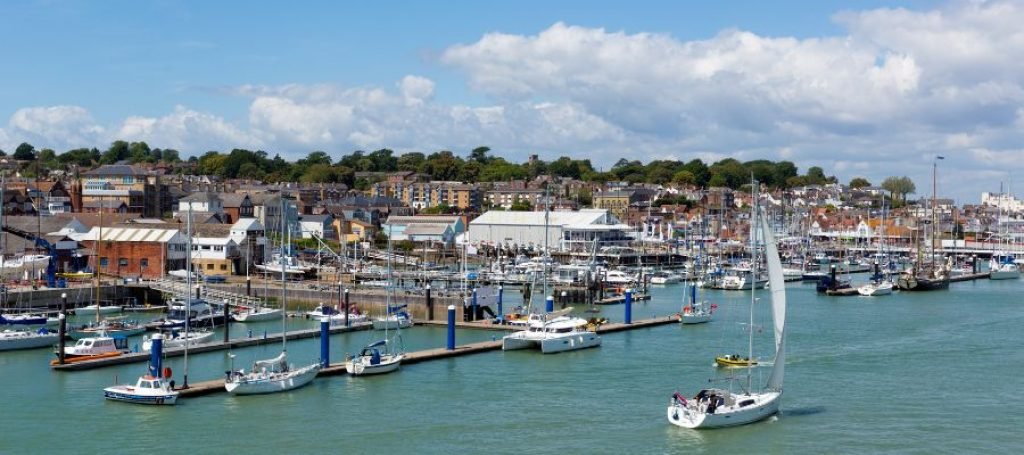
Cowes-Wight
2 Comments
  1. Who do I contact about freight booking, we are replacing airbags in Citroen vehicles. Part of the Global recall, we have 30 customers on the isle of Wight, that require airbag replacement. This replacement is completely free of charge, we buy the airbags from Citroen, once we have replaced the airbags, we charge Citroen for the work carried out. Can you advise what I need to fill out, to have these airbags sent over in a van with a technician please?

    • Hi James,

      I would try WightLink ferries – they operate the biggest ferries to the Isle of Wight. Most of the ferries depart from Portsmouth port – WightLink terminal.

      Hope this helps.

Leave a reply

Ferrygogo UK
Logo

Ferrygogo Survey 2026

Help us improve ferry travel from the UK

We’re running a short Ferrygogo survey about ferry routes, operators and onboard comfort. It takes around 1-2 minutes and your answers help us improve our UK ferry guides.

Takes around 1-2 minutes. No name or email required. Results may be used in anonymised Ferrygogo research.