

The quickest way from Spain to Morocco is Tarifa to Tangier: about an hour, and you arrive in Tangier city itself. Most traffic uses Algeciras to Tanger Med, with sailings around the clock in about 90 minutes. At its narrowest the Strait of Gibraltar is only about 14 km (9 miles) wide, and on a clear day you can see Africa from the Spanish coast. Heading for eastern Morocco? Then the longer crossings from Almería and Motril to Nador and Al Hoceima save a long drive.
We get this question a lot: which ferry do you take to Morocco? The honest answer is that it depends less on the sea and more on the roads. The Strait crossings are short and frequent; the crossings from further east are longer, but drop you much closer to the Rif and eastern Morocco. Below we compare every route that runs in 2026, with crossing times, rough fares and the things we would want to know before arriving at the port.
Our quick choice
- Fastest to Tangier city: Tarifa to Tangier Ville, about 1 hour.
- Most sailings, any time of day: Algeciras to Tanger Med, about 1h30.
- For Nador, Melilla and the east: Almería or Motril, about 5 to 7 hours.
- Without driving through Spain: Barcelona to Tanger Med or Nador, a day and a half on board.
Ferries from Spain to Morocco in 2026
Fares are one way, in euros, as published by the operators and booking sites in October 2026. They move a lot with the season, so see them as a starting point rather than a promise.
Strait of Gibraltar: the short crossings
| Route | Crossing time | Operators | Sailings | From (one way) |
|---|---|---|---|---|
| Tarifa to Tangier Ville | about 1 hour | Baleària, AML | around 10 a day, year-round | foot passenger about €27, car about €165 |
| Algeciras to Tanger Med | about 1h30 | Baleària, DFDS, AML, Naviera Armas | 20 or more a day, around the clock | foot passenger about €20, car from about €110 |
| Algeciras to Ceuta | about 1 hour | Baleària, DFDS, Naviera Armas | up to around 20 a day | foot passenger about €29 |
| Gibraltar to Tanger Med | about 1h30 | DFDS (FRS Iberia) | only a few weekend sailings a month | foot passenger about €38 |
Alborán Sea: to Melilla, Nador and Al Hoceima
| Route | Crossing time | Operators | Sailings | From (one way) |
|---|---|---|---|---|
| Almería to Nador | about 5 to 7 hours | GNV, Naviera Armas, AML (summer) | daily | about €57 |
| Almería to Melilla | about 5h30 | Naviera Armas | 3 to 6 a week | about €50 |
| Málaga to Melilla | 6 to 7 hours | Baleària | almost daily | foot passenger about €53 |
| Motril to Melilla | about 5 hours | Naviera Armas | 3 to 5 a week | about €50 |
| Motril to Al Hoceima and Motril to Nador | about 5 hours | Naviera Armas | summer only (July to September) | about €70 |
From Barcelona: no drive through Spain
| Route | Crossing time | Operator | Sailings | From (one way) |
|---|---|---|---|---|
| Barcelona to Tanger Med | about 30 to 35 hours | GNV | about 2 a week | about €90 |
| Barcelona to Nador | about 25 to 30 hours | GNV | 1 to 2 a week | about €95 |
What changed recently
FRS now sails as DFDS, and DFDS stopped running Tarifa to Tangier in May 2025, so on that route you now book Baleària or AML. Baleària is taking over the Naviera Armas routes, which means names and timetables on the Melilla, Nador and Algeciras routes may still change in the coming months. Motril to Tanger Med has had no passenger service since September 2025. There are no passenger ferries to Morocco from Málaga, Valencia, Huelva or Cádiz.
Map: ferry routes from Spain to Morocco
Click a port to see all its crossings.
Which port should you choose?
Tarifa: the easiest arrival
Tarifa is small and the port is right next to the town, and you arrive in the port of Tangier city, ten minutes’ walk from the medina. For foot passengers and for anyone starting in Tangier, this is the crossing we would pick. One thing to know: when the Levante wind blows hard, Tarifa sailings are the first to be cancelled. Keep a little slack in your plans.
Algeciras: the most choice
Algeciras to Tanger Med is the big one, with sailings day and night from several operators, so it is the safest bet if you want to pick your own time or if Tarifa is cancelled. Bear in mind that Tanger Med is not Tangier: the port lies about 40 to 50 km east of the city. With a car that does not matter much, as the motorway runs straight on towards Tetouan, Chefchaouen and Rabat. On foot it does.
Ceuta and Melilla: Spain on the African side
Ceuta and Melilla are Spanish cities, so the ferry itself is a domestic crossing and the border into Morocco comes after you land, by road. That can be quick, but it can also take hours, especially in summer and around Moroccan holidays. We would only take this route if Ceuta or Melilla is your destination.
Almería and Motril: for eastern Morocco
Driving to Nador, Oujda or the Rif mountains? Then the longer crossings from Almería and Motril save you a long drive along the Mediterranean coast in Morocco. Most sailings are overnight or take most of a day, so a cabin is worth it.


Before you go: border, papers and the summer rush
- Passport: UK citizens can visit Morocco for up to 90 days without a visa. Your passport must be valid for at least three months after you arrive. Check the latest FCDO travel advice before you go.
- Passport check on board: on the Tarifa crossing a Moroccan police officer stamps passports in the lounge during the trip. Join the queue early and make sure you have your stamp before you walk or drive off, because it is checked at the ramp.
- Driving: take your UK licence plus a 1968 International Driving Permit. Your car is registered on entry and must leave Morocco with you; a visit is allowed for up to six months a year.
- Insurance: you need proof of insurance valid in Morocco, a Green Card from your insurer. Many UK insurers do not cover Morocco, so ask before you book. If yours doesn’t, you can buy Moroccan insurance at the port when you arrive.
- Summer: between mid-June and mid-September the Strait is extremely busy, as millions of Moroccans living in Europe travel home (Operation Marhaba). Mid-July and the first half of August are the busiest. Since 2026 you need a ticket for a fixed sailing to enter the ports of Algeciras and Tanger Med in that period. Outside the summer it is much calmer.
Crossing all of Europe first? Our UK to Europe ferry border checklist covers what you need for France and Spain on the way.

From the UK to Morocco by ferry
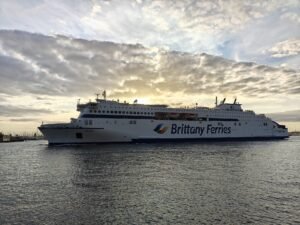
There is no direct ferry from the UK to Morocco. The most relaxed way down is a ferry from Portsmouth or Plymouth to Santander or Bilbao, which saves you the drive through France, followed by about ten hours on Spanish motorways to Algeciras or Tarifa. We would split that drive with a night in Madrid, Córdoba or Granada. If you prefer a shorter crossing at the start, you can drive through France and take a ferry from southern France instead: see ferries from France to Morocco. Brittany Ferries’ fixed-price 10-day Spain offer only works for shorter trips; for a longer stay, compare the normal return fare.
All routes from Spain to Morocco




Our verdict
For most travellers we would keep it simple: Tarifa to Tangier if you are on foot or heading for Tangier itself, Algeciras to Tanger Med if you are driving and want flexibility. Only take Ceuta if Ceuta is where you want to be. And if eastern Morocco is your destination, don’t drive all the way round: Almería or Motril brings you much closer. Whatever you choose, avoid the busiest summer weeks if you can.
More about travelling to Morocco: our Morocco ferry guide.
Ferry from Spain to Morocco: FAQs
How far is Morocco from Spain by sea?
At its narrowest, the Strait of Gibraltar is about 14 km (9 miles) wide. The ferry from Tarifa to Tangier takes about an hour, and Algeciras to Tanger Med about 90 minutes.
What is the shortest ferry from Spain to Morocco?
Tarifa to Tangier Ville, at about an hour. Algeciras to Ceuta also takes about an hour, but Ceuta is a Spanish city, so you still cross the land border into Morocco afterwards.
Which ferry companies sail from Spain to Morocco?
In 2026: Baleària, DFDS (formerly FRS), AML, Naviera Armas and GNV. Baleària is taking over the Naviera Armas routes, so some names may change.
Can I take my car on the ferry to Morocco?
Yes, on all the routes in this guide. You need your licence, a 1968 International Driving Permit and insurance valid in Morocco. Your car is registered when you enter and has to leave the country with you.
How much is the ferry from Spain to Morocco?
A foot passenger pays from about €20 to €30 one way on the Strait crossings, and a car with driver from roughly €110 to €165. In summer, and on the longer routes from Almería, Motril and Barcelona, fares are higher.
Useful for travellers to Morocco




Tips for ferry travellers