Ferries to Croatia
FerryGoGo » Croatia
Select ‘Croatia’ to find the ferries to and within Croatia
Ferries to and within Croatia 🇭🇷
What you need to know
Croatia is one of Europe’s best ferry countries. Ferries link the mainland with islands such as Hvar, Brač, Vis, Korčula, Šolta, Cres, Lošinj and Dugi Otok, while international routes connect Croatia with Italy across the Adriatic.
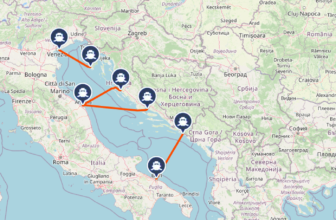
Use the Croatia ferry map first to get a feel for the main corridors. The busiest area is around Split, but there are also important ferry hubs at Dubrovnik, Zadar, Rijeka, Pula and Ploče. Some crossings are short local hops, while others are longer coastal or overnight routes.
The main choice is simple: do you need a car ferry, a fast passenger catamaran, or an international ferry from Italy? That choice matters more than the route name alone, especially if you are island hopping or travelling with a camper.
Map: Ferries in Croatia
About ferry travel to and within Croatia
Croatia has a dense ferry network, but it is not one single system. Some routes are practical year-round lifeline ferries for residents and cars, while others are fast seasonal catamarans aimed mainly at foot passengers and island hoppers.
On FerryGoGo, this page focuses on the most useful domestic ferries in Croatia and the main international ferry routes between Italy and Croatia. For the Adriatic crossings from Italy, see our separate guide to ferries from Italy to Croatia.
Ferry travel in Croatia: the basics
- Split is the main ferry hub for central Dalmatia, with routes to islands such as Hvar, Brač, Vis, Šolta and Korčula.
- Jadrolinija is the largest Croatian ferry operator and runs many car ferry and passenger routes along the coast.
- Krilo and TP Line are important for high-speed catamaran routes, especially between Split, Hvar, Korčula, Dubrovnik and other Dalmatian stops.
- Not every ferry takes cars. Larger Jadrolinija ferries often do, but many fast catamarans are passenger-only.
- Summer changes everything. Frequencies usually increase, but popular routes can sell out and queues at ports can be longer.
- Island hopping is very doable, but check the direction, season and luggage rules before building a tight itinerary.
Popular ferry routes in Croatia
Domestic ferries in Croatia
Most travellers start with one of the classic Dalmatian routes. These are the crossings that often make the biggest difference to a Croatia itinerary.
Split–Hvar
One of Croatia’s best-known ferry routes. Fast catamarans connect Split with Hvar town, while car travellers usually need to look at the ferry to Stari Grad on Hvar instead. Choose this route if you want nightlife, beaches, restaurants and an easy island connection from Split.
Split–Brač
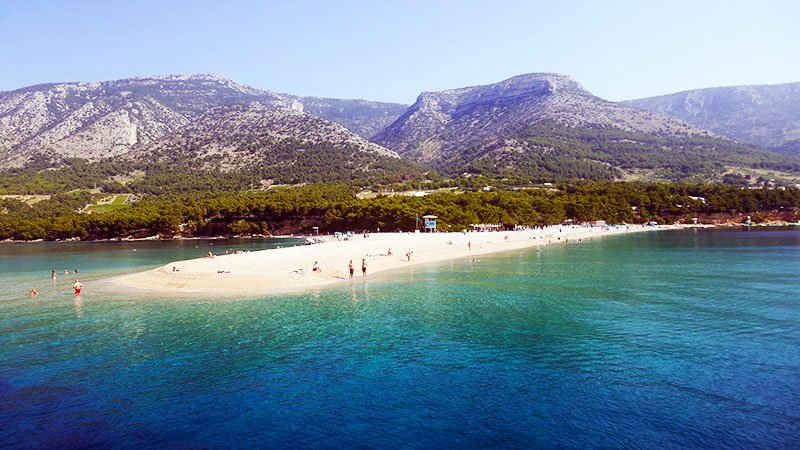
Brač is one of the easiest islands to reach from Split. The Split–Supetar route is the practical car ferry option, while routes towards Bol are popular with foot passengers heading for Zlatni Rat beach. Good for day trips, short stays and family holidays.
Split–Vis
Vis is a longer crossing and feels more remote than Hvar or Brač. It is a good choice if you want a quieter island, nature, beaches and a slower pace. Check carefully whether the sailing you choose is a car ferry or passenger service.
Split–Korčula
Korčula works well as part of a longer island-hopping route. Fast ferries link it with Split, Hvar and Dubrovnik in season, making it one of the best islands for a southbound Adriatic itinerary.
Dubrovnik–Korčula–Hvar–Mljet
This long-distance island-hopping corridor is one of the most scenic ways to travel through southern Dalmatia. It is especially useful for foot passengers who want to combine Dubrovnik with islands such as Korčula, Hvar and Mljet without doubling back by road.
Split–Šolta
Šolta is one of the easiest island day trips from Split. The crossing to Rogač is short and practical, making it a good option if you want a relaxed island visit without committing to a longer route.
Makarska–Sumartin
This route links the Makarska Riviera with the eastern side of Brač. It can be a smart alternative to the busier Split departures, especially if you are already staying south of Split or travelling along the coastal road.
Zadar–Dugi Otok
Dugi Otok is one of the best islands for nature, hiking, quiet beaches and a more remote feel. Ferries and passenger services connect Zadar with places such as Sali and Brbinj, depending on the service and season.
Rijeka–Cres–Lošinj
The Kvarner Gulf has a different feel from the Split and Dubrovnik island routes. Connections around Rijeka, Cres and Lošinj are especially useful for travellers exploring northern Croatia by car, though you should always check the exact port and timetable before planning your route.
Split is the busiest hub, but it is not the only place to start. Dubrovnik, Zadar, Rijeka, Pula, Makarska and Ploče all matter depending on your route. Foot passengers have the most flexibility on fast catamarans, while drivers and campers should focus on car ferry routes and book early in summer.

On board, maps and ferries
Split is the busiest hub, but it is not the only place to start. Dubrovnik, Zadar, Rijeka, Pula and Ploče all matter depending on your route. Foot passengers have the most flexibility on fast catamarans, while drivers and campers should focus on car ferry routes and book early in summer.
International ferry routes between Italy and Croatia
International ferries are most useful if you are combining Croatia with an Italian road trip, arriving with a car or camper, or planning a wider Adriatic itinerary. For a more detailed route-by-route comparison, see our guide to Italy to Croatia ferries.
Ancona–Split
One of the main Adriatic crossings and a practical choice for travellers bringing a car, camper or motorhome. It is often used as an overnight route, so you can sleep on board and arrive in Dalmatia the next day.
Bari–Dubrovnik
A useful option for southern Croatia. Choose this route if your trip starts or ends around Dubrovnik, southern Dalmatia or Montenegro rather than Split or northern Croatia.
Ancona–Zadar
A good fit for northern and central Dalmatia, especially if you want to avoid driving all the way down to Split. Check the current season and timetable before planning around it.
Venice–Istria
Seasonal fast ferries connect Venice with Istrian ports such as Poreč, Rovinj, Pula and Umag. These routes are best for foot passengers, cyclists and short city combinations. They are not the right choice if you need to bring a car.
Island-hopping inspiration in Croatia 🏝️
Croatia is excellent for island hopping, but the best route depends on how fast you want to travel and whether you have a car. These combinations work well as starting points.
Option 1: classic central Dalmatia
Split → Brač → Hvar → Korčula → Dubrovnik
- Best for a first Croatia island-hopping trip.
- Good mix of beaches, towns, restaurants, nightlife and culture.
- Works best as a foot-passenger trip using fast catamarans.
- Ideal for around 7 to 10 days, depending on how much time you want on each island.
Option 2: quieter northern Croatia
Zadar → Dugi Otok → Molat → Silba → Lošinj
- Better for nature, quieter islands and a slower pace.
- Less obvious than the Split–Hvar corridor.
- Check timetables carefully, as some connections are less frequent.
- Bring some cash and do not assume every small island has the same facilities.
Option 3: Italy to Croatia and south through the islands
Ancona → Split → Vis → Hvar → Korčula → Dubrovnik
- A strong option for a longer Adriatic holiday.
- Starts with a proper international ferry crossing from Italy.
- Works well if you want to arrive in Croatia by sea rather than flying into Split or Dubrovnik.
- Best planned with some flexibility, because seasonal timetables and catamaran routes can change.
| Crossing/Route | Sailing time | Operator | Car ferry? | Region |
|---|---|---|---|---|
| Split ↔ Hvar | ~1 hour | Jadrolinija / Krilo | Passenger-only catamaran | Central Dalmatia |
| Split ↔ Brač (Bol or Supetar) | ~50 minutes (Supetar), ~1 hour (Bol) | Jadrolinija / Krilo | Car ferry & catamaran | Central Dalmatia |
| Split ↔ Vis | ~1h 30m | Jadrolinija | Car ferry | Central Dalmatia |
| Split ↔ Korčula | ~2h 30m | Krilo / Jadrolinija | Passenger ferry / catamaran | Dalmatian Coast |
| Dubrovnik ↔ Korčula / Hvar / Mljet | ~4–5 hours | Krilo / G&V Line | Passenger ferry | Southern Dalmatia |
| Split ↔ Šolta (Rogač) | ~1 hour | Jadrolinija | Car ferry | Central Dalmatia |
| Makarska ↔ Sumartin (Brač) | ~1 hour | Jadrolinija | Car ferry | Central Dalmatia |
| Zadar ↔ Dugi Otok (Brbinj / Sali) | ~1h 15m | Jadrolinija | Car ferry | Northern Dalmatia |
| Rijeka ↔ Cres / Lošinj | ~2–3 hours | Jadrolinija | Car ferry | Kvarner Gulf |
| Ancona (Italy) ↔ Split | ~10 hours (overnight) | Jadrolinija / SNAV | International car ferry | Adriatic Sea |
| Split ↔ Dubrovnik | ~4h 30m | Jadrolinija | Passenger ferry (seasonal) | Coastal Croatia |
| Pula ↔ Venice | ~3h 30m | Venezia Lines / Adriatic Lines | International fast ferry | Istria |
Prices and availability for this crossing.
What is the sailing schedule and the best alternative?
Croatia has a large number of islands. The booking module below shows various domestic ferry crossings in Croatia, including routes to Hvar, Korcula, and Brac. You can also easily book direct ferry crossings to Italy.
Final tips for ferry travellers in Croatia
- Book early in summer: July and August are busy, especially on Split, Hvar, Brač, Korčula and Dubrovnik routes.
- Check whether your ferry takes cars: Many fast catamarans are passenger-only. If you have a car or camper, look specifically for car ferry routes.
- Do not plan tight same-day connections: Ferries are usually reliable, but weather, boarding queues and seasonal crowding can disrupt a tight itinerary.
- Arrive early: For catamarans, being at the boarding point at least 15 minutes before departure is often advised. For car ferries in summer, allow more time.
- Pack for the crossing: Keep water, snacks, sun protection and essentials with you, especially on longer routes or if your luggage is stored away.
- Check the season: Some local ferries operate year-round, but many fast catamarans and Italy–Croatia routes are seasonal.
- Bring the right travel documents: Domestic routes are straightforward, but international crossings between Italy and Croatia require valid travel documents.
In short: use Split for the classic Dalmatian islands, Zadar for quieter northern island routes, Dubrovnik for southern Croatia, and Italy–Croatia ferries if you are arriving by car or planning a wider Adriatic trip.